
What’s the actual problem?
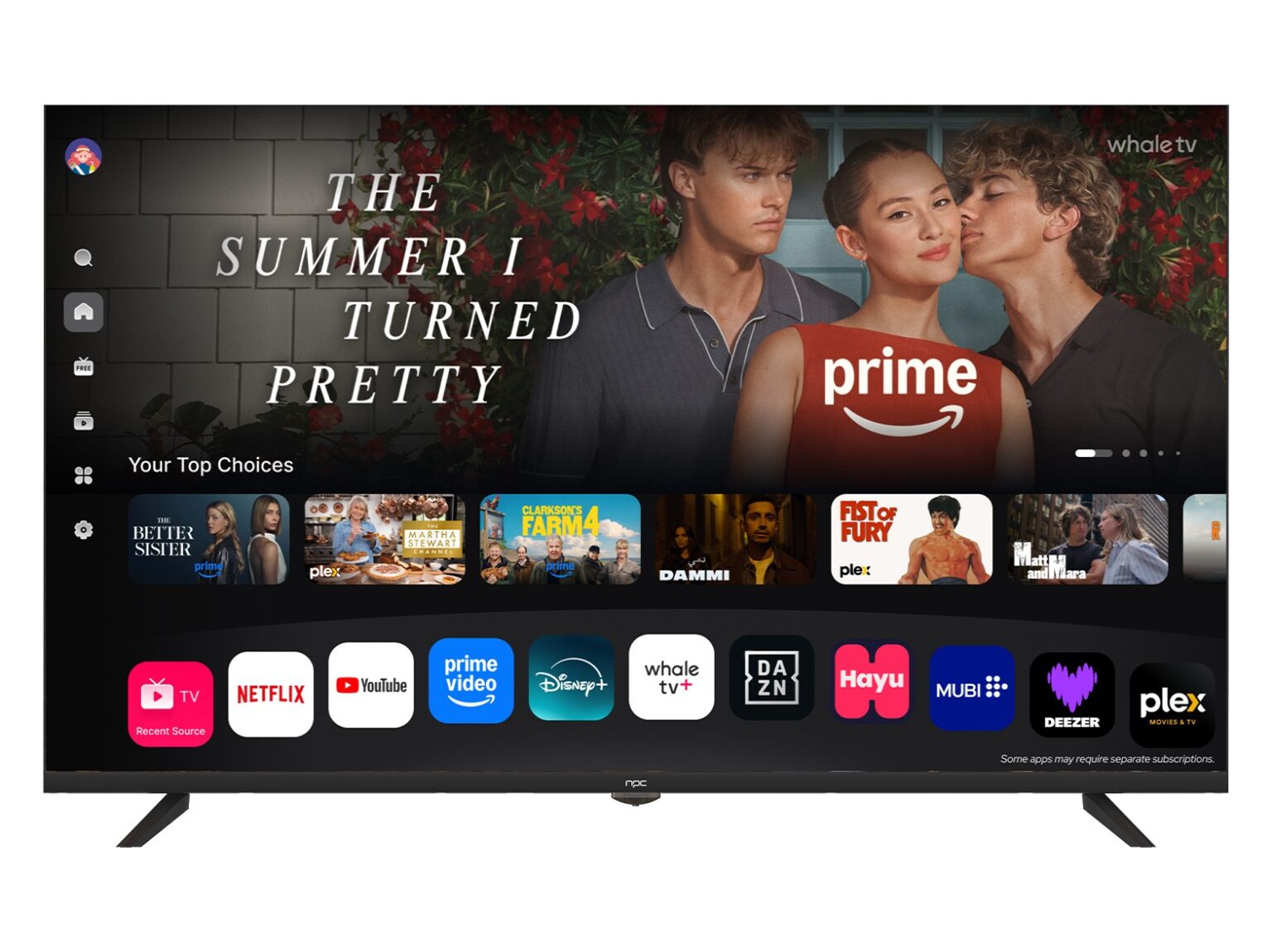
Tired of your smart TV freezing, apps crashing, or updates that never come? You’re not alone. Buy a decent panel from a top tv manufacturer and the experience can still feel half-baked because the OS layer’s messy — slow UI, patchy app support, and confusing settings. This guide cuts straight to why that happens and what you can do about it.
Why this keeps happening (short, real reasons)
Developers tailor apps to specific OS builds. Manufacturers pick different chipsets and skimp on frequent firmware updates. Networks and background services steal cycles. The result: same hardware, wildly different performance. That’s the core problem you’re dealing with — not the panel, but the software environment on top.
Evidence and credibility — what I’ve seen and where it matters
Hands-on testing across dozens of sets and conversations at CES Las Vegas showed recurring patterns: update delays, inconsistent app behavior, and vendor-specific quirks. Based on that work and practical troubleshooting, here’s a precise fix list. For deeper platform-level clarity, consider how a smart tv os handles memory, background tasks, and app sandboxing — that’s usually where the trouble starts.
Common mistakes people make
They keep stock settings, trust every app, or expect frequent OS patches. They blame the screen instead of checking network, updates, or bloatware. They sideload unknown apps or ignore system storage limits. Those moves amplify glitches.
Fast, practical fixes you can do right now
1) Connect via Ethernet or use a less congested Wi‑Fi channel. 2) Check and install firmware and app updates. 3) Remove unused apps and disable auto-start for background apps. 4) Use a lightweight launcher or switch to a supported streaming stick if the built-in OS is dead slow. 5) Factory reset only after backing up settings and accounts. 6) Prefer TVs with transparent update policies and documented SDK support if you care about longevity.
Alternatives and trade-offs
Want simplicity? An external device (streamer or box) often beats native apps for reliability. Trade-off: extra box and remote. Want integrated look? Choose a model known for timely updates even if it costs more. Trade-off: higher upfront spend but fewer annoyances later.
How to spot a future-proof pick before you buy
Look for clear update cadence, active developer docs, and community support. Ask sellers about patch timelines. If the vendor references long-term support or publishes patch notes, that’s a good sign. Don’t buy based on screen specs alone.
Wrap-up
Smart TV problems usually trace back to software choices, not the display. Follow the practical fixes, avoid the common mistakes, and weigh the external-device vs integrated-OS trade-offs. If you want hardware that’s actually matched to pragmatic software needs, companies like npc show how better module design and clear update practices make the whole setup less painful.