
Start with what you need
You want a bag that protects gear, carries essentials for a match or shoot, and projects your brand without shouting. Think through who will carry it, how often, and what “protected” means for your kit—wet weather, airport handling, daily commutes. A camera gear bag that balances padding, quick access, and clean logo placement often solves the most common conflicts between form and function.
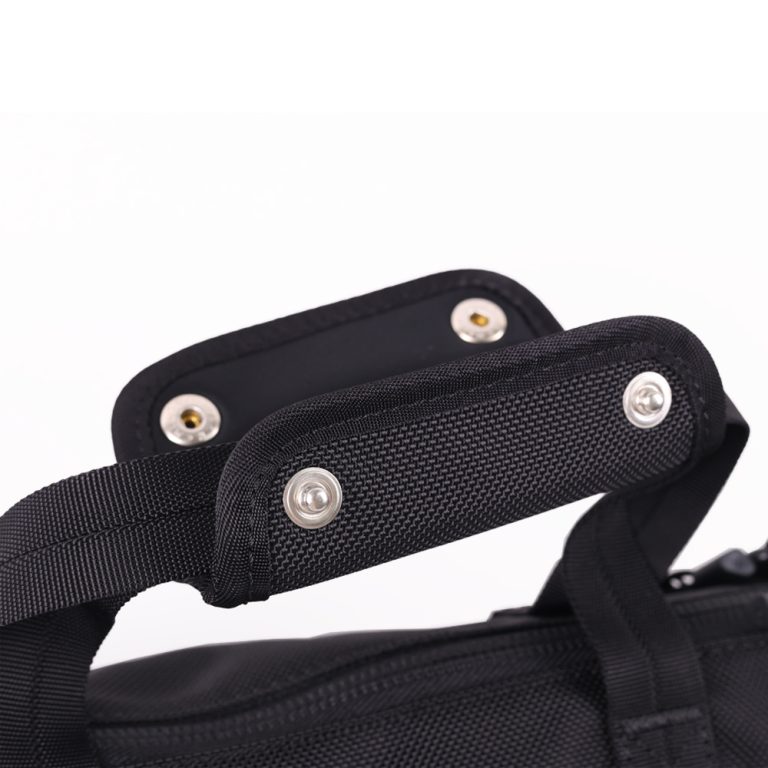
Who this helps and what matters most
This guide is for team managers, event organizers, content creators, and small brands deciding between off-the-shelf options and a custom logo run. Prioritize capacity (laptop + kit vs. weekend carry), modularity (removable dividers), and comfort (padded strap, load distribution). Visual identity comes second to usability: a strong logo on a bag that gets used frequently delivers far more value than a perfect mockup on a bag that sits in storage.
Core decisions, made practical
Pick materials by environment: waterproof nylon for outdoor teams, coated canvas for daily urban use. Specify internal layout by mapping items to compartments—camera body, two lenses, charger, water bottle, and a branded merch pocket is a common, practical set. Choose zipper quality and hardware rated for repeated use. Logo placement should avoid stress points and high-wear seams; back panels and exterior pockets maintain visibility without compromising durability.
Common pitfalls and how to avoid them
Teams often overbrand small runs—too many colors, tiny fonts, or complex art that reads poorly at a glance. Avoid oversized embossing that interferes with straps or pockets. Don’t assume all padding is equal: thin foam may compress after weeks. Ask for a prototype or sample, test it with a full kit, and walk it through real movement—stairs, transit, and car trunks reveal failures paper specs miss.
Context, expertise, and a real-world anchor
I’ve planned product specs and procurement for events and media teams; that practical work sharpens what patents and glossy catalogs gloss over. Market shifts matter: CIPA shipment reports showing mirrorless camera growth changed how teams prioritize access and padding. If you’re buying for mirrorless rigs, choose a layout tuned to bodies plus a few compact primes—lens width and body height are non-intuitive constraints—so a proper mirrorless camera shoulder bag often outperforms a generic duffel for daily shoots.
Alternatives assessed quickly
Generic sports duffels: cheap, roomy, poor protection. Commercial camera bags: excellent protection, limited brand customization. Custom logo sports bags: best for teams needing brand cohesion and moderate protection. If you need maximum protection for fragile optics and frequent travel, prefer a camera-specific shell with external branding. If you want team identity plus daily usability, a custom-designed hybrid bag with organized pockets is the better trade.
How to specify a custom run (step-by-step)
1) List use cases and loadouts. 2) Choose capacity target (liters or item list). 3) Select core materials and minimum hardware specs. 4) Define logo placement and color limits for consistency. 5) Order one functional prototype and test for two weeks under expected conditions. Insist on clear lead times and QC checkpoints. Keep tech drawings simple and pair them with photos of the actual items you’ll carry.
Final synthesis
Decide with purpose: match the bag’s structure to how people will use it, then add branding that survives real wear. Thoughtful choices—material, layout, sample testing—deliver a bag that works every day and represents the team every time it’s carried, which is the real value brands need from a partner like ChangRong.