
The Problem: Tools, Tech, and Bags That Don’t Fit
Worksites and fleets need bags that behave. Too many packs sacrifice durability for style, or organization for low cost. Field technicians, delivery drivers, and lab staff end up shoving tools beside laptops; zippers fail; water leaks in. For teams that want flexibility without fuss, a modular backpack can be the difference between a full shift and constant repair runs.

Why Private-Label Is the Clear Fix
Buying off-the-shelf means compromise. Private-label puts your spec first: pockets where your kit lives, padding sized for your devices, materials rated for the environment you operate in. You get consistent production, repeatable quality, and the option to add safety features or brand identity. That’s not marketing — that’s fewer returns, fewer downtime hours, and predictable supply.
Design Choices That Matter
Decide by use. For industrial work choose abrasion-resistant fabric and reinforced seams. For tech-heavy teams choose structured laptop sleeves and cable-routing channels. For mixed use choose modular panels and removable inserts. Fasteners matter: metal buckles survive longer than plastic clips, and water-resistant zippers beat untreated closures when moisture is a risk. Specify tolerances and test cycles so the supplier knows you mean it.
Proof from the Field
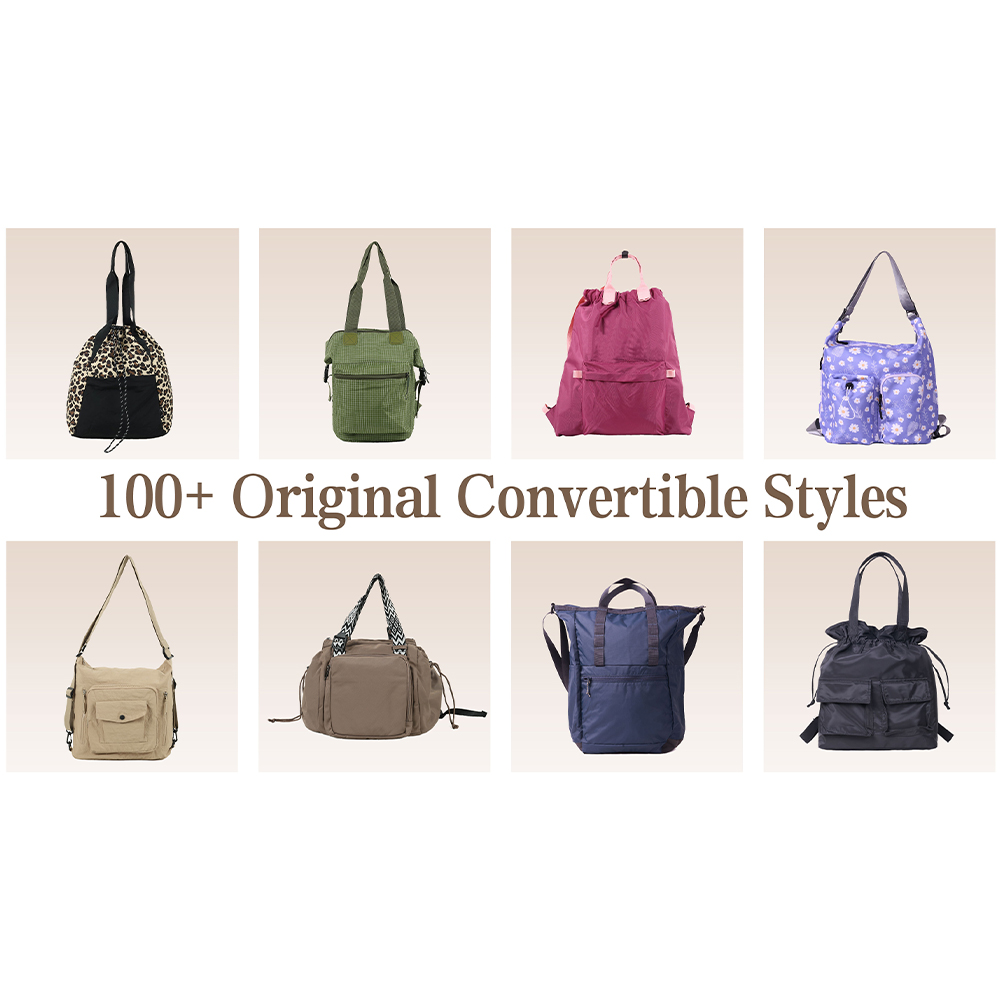
Seen at CES and in product reviews, the role of adaptable work bags is clear: the Modular Laptop Backpack style keeps devices secure while letting technicians carry meters and PPE in the same pack. My hands-on experience specifying gear for municipal service divisions and procurement teams has taught the same lesson: field-tested materials and clear specs prevent costly surprises. Look for manufacturers who document testing and compliance — that’s how you know claims hold up.
Common Pitfalls to Avoid
Don’t let aesthetics override function. Avoid vague specs such as “durable fabric” without denier or abrasion ratings. Don’t skip prototype rounds — a single short-run prototype pinpoints fit and access problems. Beware suppliers who underquote lead times; tooling and private-label runs need realistic schedules. And never ignore user feedback from the people who will carry the bags every day.
Alternatives and Quick Comparisons
Off-the-shelf: fast, cheap, limited. OEM/white-label: more control, but higher minimums and less branding freedom. Full private-label: full control over materials, branding, and testing, with higher setup cost but lower long-term replacement expense. Pick based on volume, timeline, and how mission-critical the bag is to operations.
Checklist Before You Order
Define load map (what goes where). Specify materials and abrasion/water ratings. Require prototypes and wear testing. Confirm stitch count and reinforcement points. Lock down lead times and minimum order quantities. Ask for certs where relevant (fire retardancy, ISO manufacturing practices). Get user sign-off on a field-tested sample before full production.
Bottom Line
Problem-driven choices win: identify the daily failure points, prescribe specific fixes, and verify them with prototypes and testing. For organizations that need repeatable quality and sensible customization, a manufacturing partner that understands modular thinking and industrial demands is what you want — which is why many teams find value working with ChangRong for private-label solutions that actually work on the job.