
Introduction: A Shop Floor Moment
I remember walking into a small job shop on a Monday morning and finding a machine idling while a technician hunted for a worn tool holder. It happens more than we admit: a CNC turning and milling machine can sit unused for hours because small habits were skipped. I’ve seen unplanned downtime cut output by as much as 15–25% on tight schedules, and that loss feels personal when you care about the craft. So how do we stop small misses from becoming big setbacks? (Simple checks, clear roles — that’s the start.) Let’s move into what usually goes wrong and why a few focused habits matter.
Part 2 — Where Usual Fixes Break Down
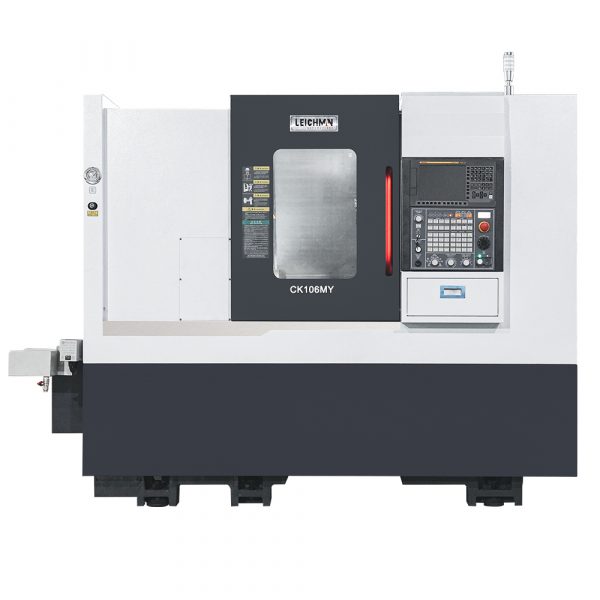
cnc turning and milling centre operators often get handed checklists that look great on paper but fail in practice. In my experience, the usual “clean, inspect, run” routine misses deeper issues: incomplete tool calibration, overlooked spindle wear, and poor spindle speed documentation. Those gaps show up as chatter, marginal tolerances, and wasted cycle time. Look, it’s simpler than you think — a worn collet or mis-set feed rate can create scrap that no one planned for. I’ve watched teams blame the program when the real culprit was a loose tool turret or a degraded ball screw, and that blame game delays real fixes.
Why do quick fixes keep failing?
Because they treat symptoms, not systems. Shops will replace a broken insert and expect lasting improvement, but if servo motors are drifting or the tool offset table is inconsistent, the same problem returns. I prefer to pull a layer deeper: measure spindle runout, verify live tooling signals, log spindle speed changes over weeks. These checks take time up front but save many hours later. Also, it’s human: people get stressed in busy runs and skip steps. I’ve been there; I’ve skipped them too — funny how that works, right?
Part 3 — Case Example and a Clear Outlook
Let me sketch a simple case. A mid-size manufacturer adopted routine data logging for one line of parts. They tracked G-code revisions, tool life, and coolant quality, and slowly they cut scrap by nearly half over three months. The team did not change machines — they changed habits. That line became a practical lab for better routines: scheduled taper checks, a short pre-run checklist, and daily notes on tool turret behavior. These small shifts changed the work culture. The real win: fewer emergency calls and a calmer, more confident crew.
What’s Next?
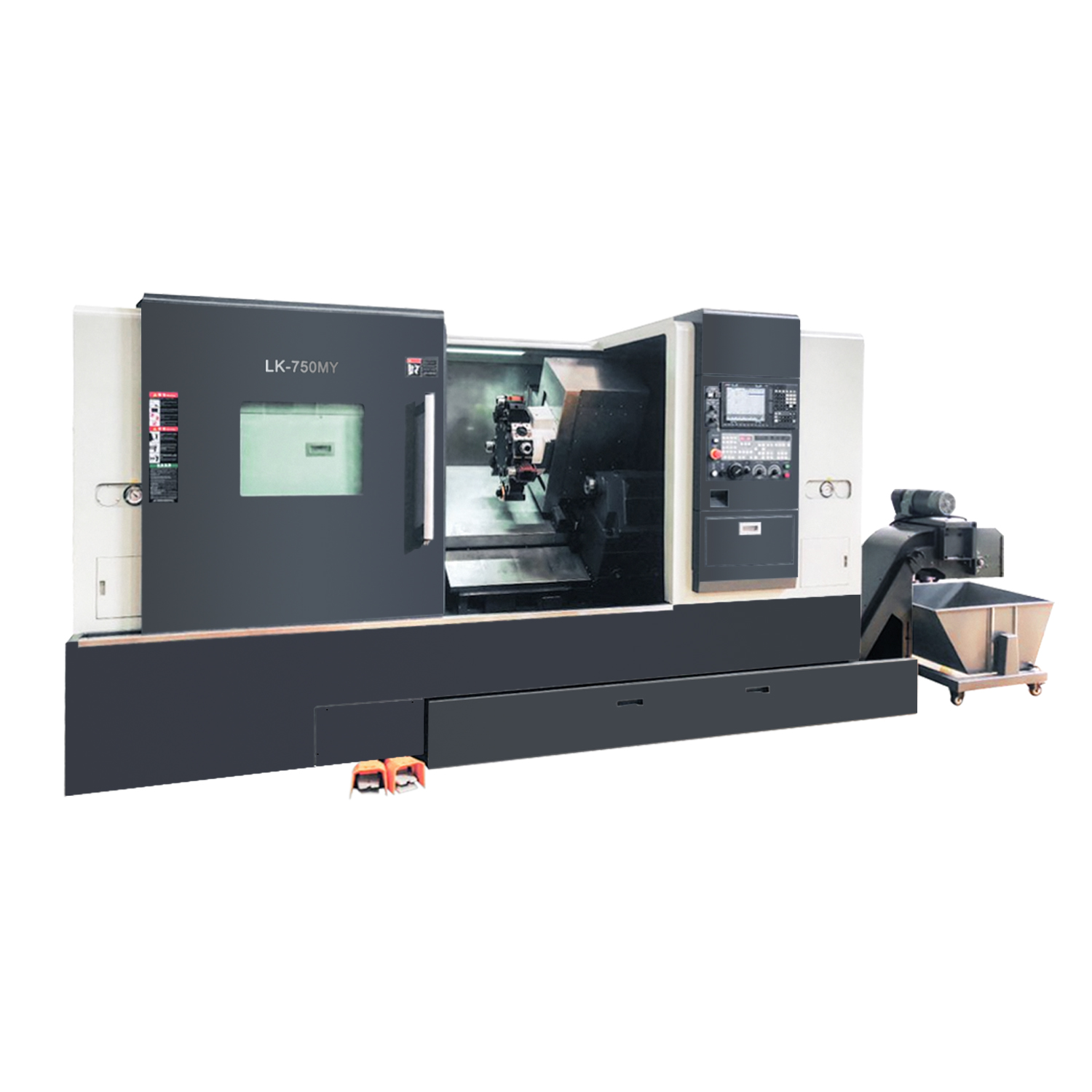
Looking forward, integrating modest automation with hands-on routines is the sensible path. I recommend starting with clear metrics: cycle time, mean time between failures (MTBF), and quality yield. When you add selective sensors — a spindle vibration sensor or a temperature probe for the headstock — you get earlier warnings without drowning in data. And for those ready to compare tech paths, try a pilot on one cell before a full rollout. We tested cnc milling and cnc turning upgrades side-by-side and saw that incremental tooling updates plus better shift handovers beat a large one-time upgrade in cost-effectiveness — and yes, that matters.
Closing — How I’d Evaluate a Solution
I’ve learned that practical, human-friendly routines win over flashy tech promises. If you’re choosing a path forward, evaluate three things: 1) measurable impact (does the change reduce scrap or downtime by a clear percent?), 2) operability (will your crew actually do it every shift?), and 3) data clarity (are the alerts actionable or just noise?). Those metrics keep decisions grounded. I’m biased toward small, repeatable habits paired with targeted sensors — because they’re realistic and durable. In the end, it’s about trust: trust the team, trust the checks, and the machines will repay you. For reliable equipment and sensible guidance, I recommend checking Leichman.