
Why this matters — the problem we’re solving
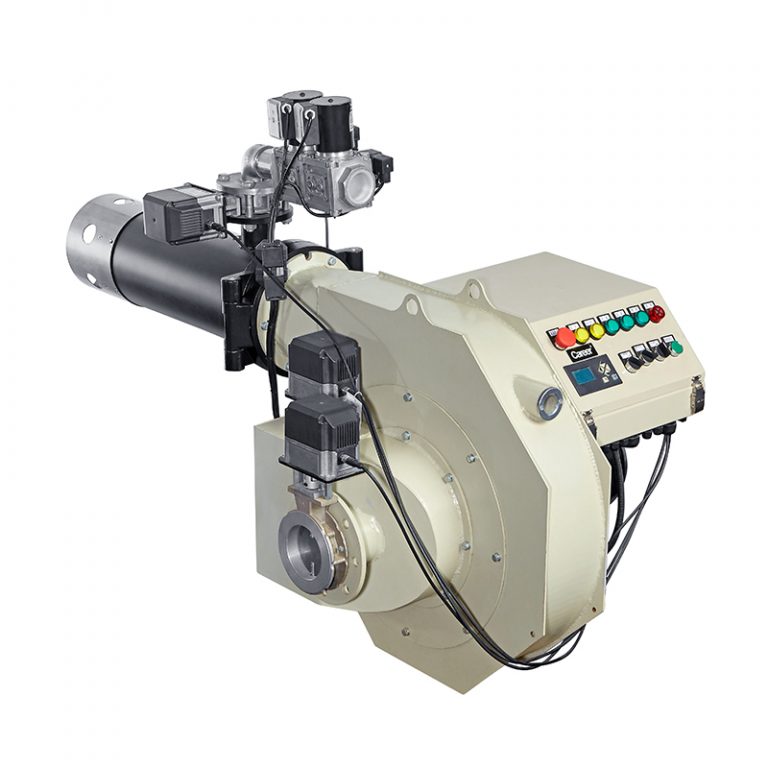
Small and mid-size plants often hit the same snags: noisy combustion, uneven wear, and suddenly failing emissions tests. If you’re switching burners or updating trim, don’t assume tubes are just plumbing—choose tubes that match flame shape, materials stress, and the control philosophy of your low NOx burner. For a real-world nudge, facilities in Southern California have felt the pressure from the South Coast Air Quality Management District, which has driven many operators toward low NOx solutions; that regulatory push is exactly why matching tube and burner matters now.
Common problems I see, and how they start
Poor fit and poor communication between procurement and operations. Tubes too thin for thermal cycling, throat diameters that upset the burner’s intended velocity, or materials that corrode from condensate—these create flame instability and hot spots. When inspections are rushed, operators miss telltale signs: soot stripes, uneven refractory wear, and fluctuating O2. I’ve overseen dozens of retrofits; these issues crop up when design decisions ignore real operating cycles.
Concrete selection criteria — what to check before you buy
Look for these items and don’t accept vague claims. Material specification: demand stainless grades or alloyed steels rated for the plant’s maximum furnace temperature and corrosion profile. Geometry: verify length, throat ID, and port shape against the burner’s flame envelope. Tolerances: ask for machining tolerances for seating faces and concentricity. Thermal expansion: confirm anchor points and slip joints. Matching: ensure the tube’s internal profile supports the intended mixing and doesn’t create unwanted recirculation. Vendor support: get commissioning assistance and documented burn tests under load. Ask for one-line drawings and a short tuning procedure—if they can’t provide those, walk away.
Installation and commissioning pitfalls to avoid
Tight clearances without expansion allowance are the most common installation mistake. Don’t force tubes into place; that warps faces and leaks air. Install thermocouple and probe ports where they actually see the flame, not where they’re easiest to reach. During first firing, watch the flame shape slowly while you adjust primary air—abrupt changes hide instability. Calibrate emissions monitors after stable firing, not during the transient warm-up. Finally, document every adjustment so the next crew isn’t guessing.
Alternatives and trade-offs you should weigh
You can replace just the tube, reline the burner, or swap to a different burner head designed for low emissions. Tube-only fixes are fastest and cheapest but may be temporary if the burner itself drives instability. Full burner replacement costs more up front but reduces tuning time and long-term headaches when low-emission compliance is required. Consider retrofit burners that pair with existing tubes only when geometry and mixing are compatible; otherwise you’ll spend time chasing issues that return every winter.
Practical checklist before you sign a PO
Confirm operating hours and load cycles, request material certificates, demand dimensional drawings, require on-site commissioning, and insist on a short warranty with scope covering thermal fatigue. Have operations run a mock tuning with vendor techs present. If your plant has frequent cycling, prioritize fatigue-resistant alloys. Keep a simple punch list for pre-heat and first-fire items so nothing is left to chance.
Wrapping up with steady reassurance
Take it one careful step at a time: identify the problem, match tube design to burner behavior, and insist on hands-on commissioning. When specifications and real operating needs line up, the risks fade and performance becomes predictable. For practical sourcing and clear product details that fit these checks, consider materials and components available through Career Burners as part of a well-documented specification rather than an afterthought.