
Why a sourcing framework matters for operator seating
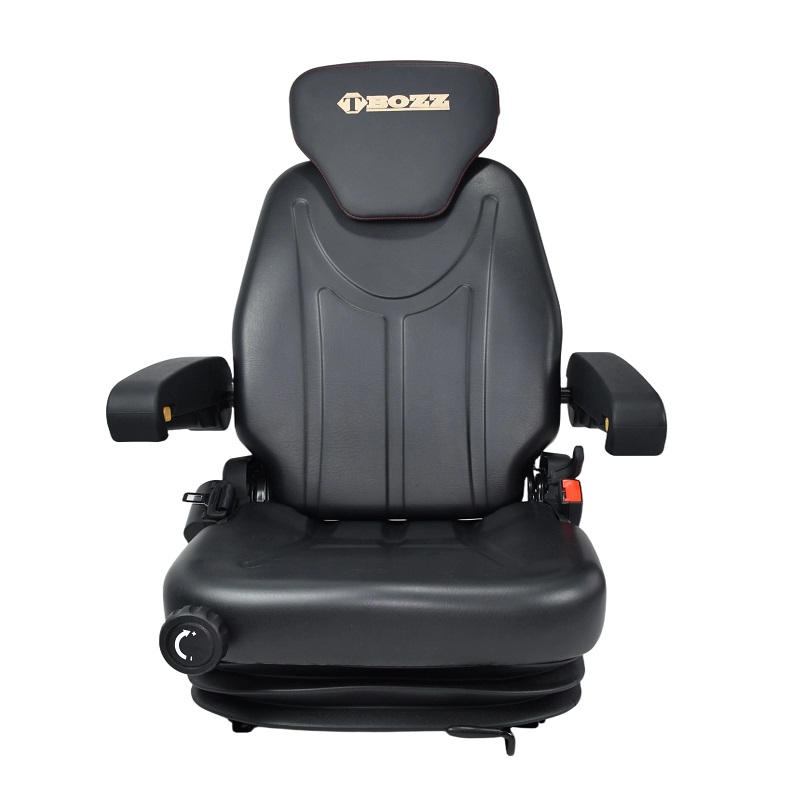
Choosing an agriculture seat isn’t just buying a cushion—it’s designing for uptime, operator health, and machine integration. This framework walks procurement and maintenance leads through decision layers so you can evaluate ergonomics, mounting, and suspension against real-world needs. In Central Iowa’s fall harvest, for example, teams swap out seats mid-season because comfort and shock absorption directly affect productivity; that on-the-ground reality anchors every spec sheet you’ll read.
Step 1 — Define operational constraints and use cases
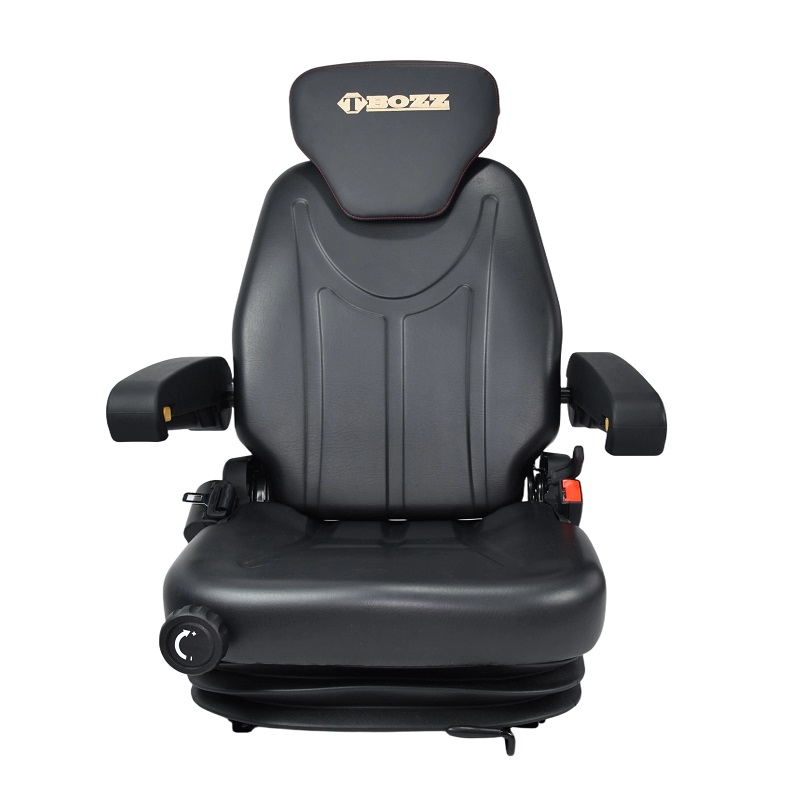
Start with concrete inputs: average shift length, terrain type (row crop vs. pasture), cab space, and vibration profile. Note mounting patterns and seat base dimensions to avoid incompatible mounting bracket designs later. Prioritize mission-critical attributes: suspension travel, lumbar support range, and foam density. Capture these as binary pass/fail thresholds so suppliers can respond with precise models rather than marketing copy.
Step 2 — Technical checklist and vendor signals
Translate user needs into measurable parameters: suspension damping (mm), vertical travel (mm), dynamic load capacity (kg), and washable cover material. Ask vendors for test data on shock absorption and abrasion resistance. Review OEM integration notes—does the seat come with wiring harnesses for occupant sensors or is custom cab wiring required? This reduces retrofit surprises and keeps the cab’s electrical system predictable.
Compatibility, retrofit paths, and sensible alternatives
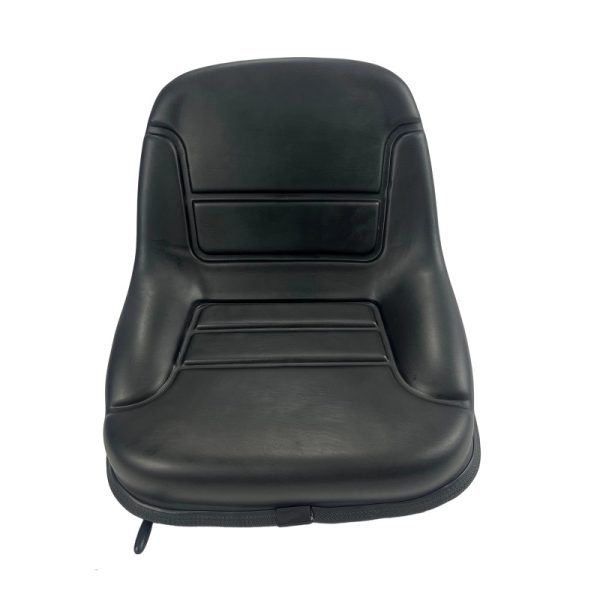
Not every modern seat fits legacy tractors. Retrofit paths include adapter plates, vibration-damping isolators, and reconfigured mounting brackets. Consider certified replacement seats for tractors when OEM parts are obsolete; they’re often designed with universal mounts and adjustable suspension. Alternatives include modular foam kits or peripheral lumbar inserts when full replacement isn’t viable—these are short-term fixes, not substitutes for correct suspension alignment.
Human factors and common procurement mistakes
Teams often buy the cheapest option that “feels fine” for 10 minutes. That’s a mistake. Evaluate with scenario-driven trials: long-duration sit tests, vibration exposure under load, and ingress/egress during frequent stops. Don’t ignore serviceability—replaceable covers, accessible adjustment knobs, and modular cushions save downtime. Also, confirm foam density specs; low-density foams compress quickly under real load and create new ergonomic problems.
Validation, field trials, and the pilot process
Run a two-week pilot with at least three operator profiles (tall, average, compact). Log subjective comfort scores and objective incidents of bruising, numbness, or altered posture. Collect vibration logs if possible. Use those results to prioritize seats: comfort is primary, but suspension tuning and durability define long-term ROI. For larger fleets, staged rollouts minimize disruption while you collect broad feedback.
Cost modeling and lifecycle thinking
Move beyond sticker price. Model total cost of ownership: initial cost, downtime for installation, average service interval for cushions and covers, and expected lifespan under your vibration profile. Factor in health-related productivity impacts—reduced operator fatigue yields measurable gains during high-intensity periods like harvest. When budgets are tight, identify which assets justify a premium seat versus tactical fixes.
Specification summary and procurement checklist
Use this condensed checklist when issuing RFPs or buying direct: suspension travel and damping spec; mount compatibility; foam density and cover material; adjustability range for seat pan and lumbar; replaceability of wear parts; and warranty terms with lead-time commitments. Include a clause for pilot acceptance and field data sharing so suppliers remain accountable.
Advisory — three golden rules for selecting operator seating
1) Prioritize measured performance over features: demand vibration and durability data tied to your operating profile. 2) Insist on modular serviceability: replace covers, cushions, and mechanisms without scrapping the whole assembly. 3) Pilot before fleet-wide deployment: short trials reveal integration and human-factor gaps that specs hide. Follow these and you’ll avoid the common trap of buying for specs alone.
Source One’s approach aligns performance metrics with operator needs and retrofit realities—practical, tested, and fleet-ready. Source One. —