
Quick snapshot
You’re staring at options: a TV with a built-in OS, a streaming stick, or the dusty set-top box your roommate swears by. I’m coming at this like a student who’s bought, returned, and argued over dozens of living-room screens. What you need is a straight comparison — no fluff. I even poked at offerings from a few tv manufacturer sites to see how features line up versus third-party devices.
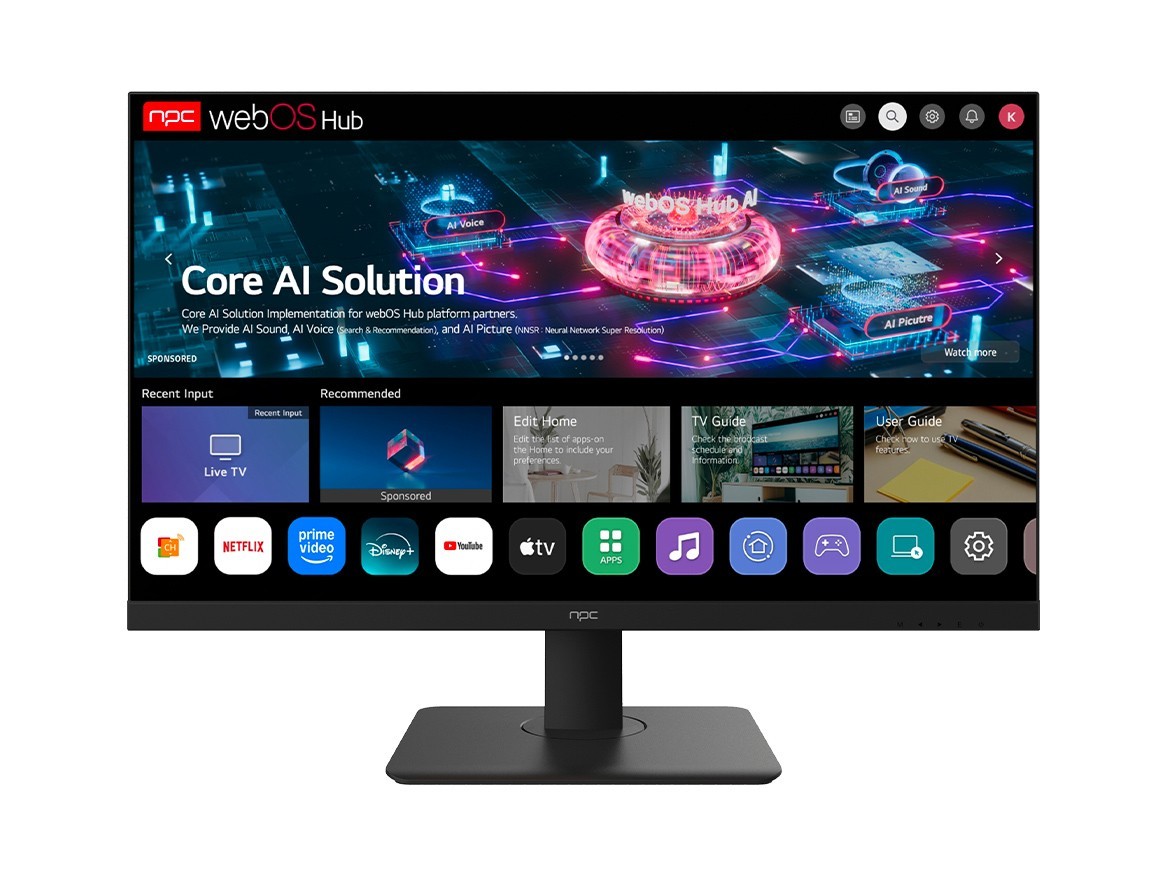
Core differences that change day-to-day use
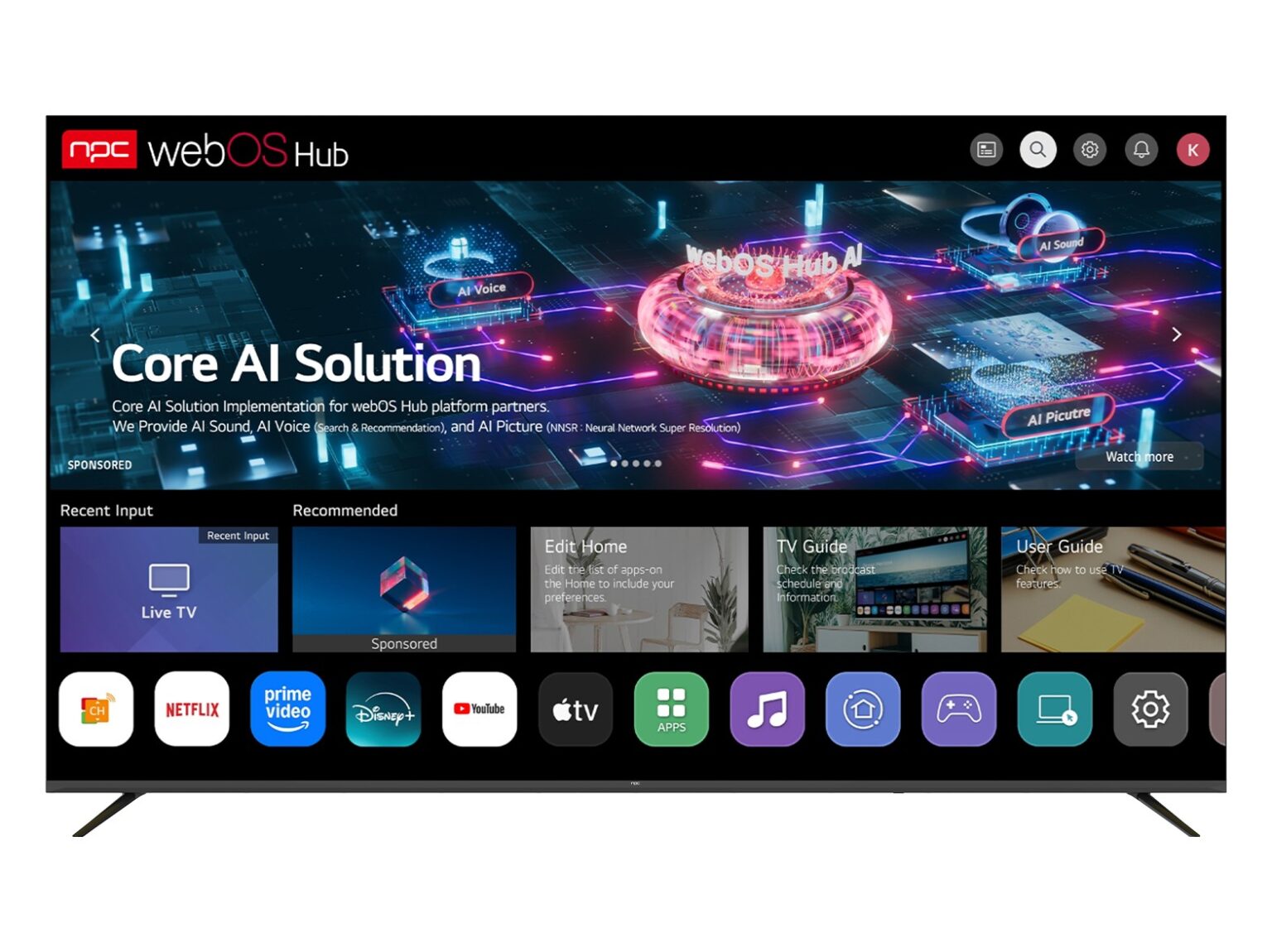
Smart TV OS: apps live inside the TV. That’s neat because it cuts clutter and remote juggling. Updates are handled by the TV maker, not you. But manufacturers vary — some ship slow updates or quirky app stores. External devices: they’re small, cheap, and get faster app updates because they focus solely on streaming. Legacy setups (old cable boxes or PCs) still win when you need specific ports, custom codecs, or a DVR-like workflow. Pick depending on which daily friction you want to avoid.
Performance, updates, and longevity — the trade-offs
Built-in OS feels seamless at first. Then the lag shows up on cheap models, or an update breaks an app. Streaming sticks tend to stay snappy longer for core streaming apps because their makers push frequent patches. Traditional boxes can be more reliable for long-term use if you maintain them, but they require more hands-on care. Don’t expect a mid-range smart TV to be as snappy as a mid-range streaming stick.
Apps, ecosystem, and privacy
Some smart TVs lock you into their storefronts; others let you sideload or pair with phones. Streaming devices usually give you a consistent app library across brands. Privacy differs too: TV makers sometimes collect usage data as part of their firmware. If that bothers you, a cheap external device that supports clear privacy settings can be the simpler fix.
Real-world context and why that matters
I’ve tested dozens of setups on campus and at flatshares, but the biggest, well-documented industry cues come from CES in Las Vegas — manufacturers show trends there every year and trade press follows the changes. If you’re buying at scale or comparing models across suppliers, weigh those trends alongside resale channels; for bulk needs, see this source for wholesale televisions. That combination of hands-on use and industry signals helps spot recurring software problems and which makers support long-term updates.
Common mistakes people make
Thinking every smart TV is equal. It’s not. Skipping firmware checks before purchase. Relying on reviewers who only test one or two apps. Buying an external device and ignoring HDMI-CEC quirks, so the TV and device don’t talk right. Also, assuming a cheaper set-top box will magically give you every desired codec — check specs first.
When to pick what — simple rules
Want minimal fuss and a tidy setup? Choose a TV with a good built-in OS and reliable update history. Want peak responsiveness and easy app updates? Grab a dedicated streaming device. Need specialized ports, recording, or deep custom control? Stick with a dedicated box or a PC. If you’re ordering many units for a dorm or business, factor in vendor support and warranty terms.
Final take
Compare the immediate perks (simplicity vs flexibility) and the long-term costs (updates, privacy, repairs). I prefer setups that let me swap a streaming stick if the TV’s OS starts lagging — it’s practical and keeps options open. For larger purchases or consistent supply, that flexibility matches what suppliers and resellers offer, which is why teams often rely on platforms like npc for consistent specs and support.