cornerbrickmc
  • Home
  • Freelance
  • Business
  • Featured
  • Global Trade
  • Industry
  • Market
  • Tech

Facebook Feed

Facebook Feed
All Right Reserved. Designed and Developed by cornerbrickmc.
Author

Amanda

Amanda

Industry

Before You Click “Order”: Smart Questions for Buying a PTC Heater Module

by Amanda October 16, 2026
written by Amanda

The problem nobody likes until the eggs start frying

You buy a PTC heater module because the spec sheet looks like it understands warmth, then your incubator decides it’s auditioning for a sauna. That’s why you should start with clear questions, not hope. If you tinker with control boards and heater mats, you’ll want the right incubator heating element matched to your thermostat and the actual thermal mass of the chamber — mismatches cook more than dreams.

ptc heater

Questions that actually save time (and chicks)

Ask these before ordering: What steady-state temperature does the PTC hold under load? How fast does it respond to on/off cycling? What’s the defined thermal resistance and maximum continuous wattage? Does it require a specific mounting or insulation method? Which tolerance does the manufacturer guarantee, and what’s the failure-mode — gradual drift or sudden open circuit? Will the control electronics need current limiting or will the heater self-limit safely? Get clear answers; vague promises mean troubleshooting later.

How to test vendor claims without dismantling your patience

Require short validation steps: ask for a thermal response curve (time vs temperature under a given load), a datasheet with thermistor pairing recommendations, and a photo of the module mounted in a similar enclosure. If the seller can’t show a simple temperature-vs-time test or refuses a mounting spec, treat that as a red flag. Small checks up front stop long nights of temperamental incubators.

Common mistakes people make when picking modules

Picking on wattage alone. Thinking “bigger is better” and overshooting the power for the chamber size. Ignoring thermal contact quality — a shiny gap kills heat transfer. Forgetting humidity’s effect on thermal dynamics. Skipping specs for self-regulation temperature, which leads to oscillation or thermal runaway when the control loop isn’t matched. Don’t guess; measure and match.

Alternatives briefly weighed

Cartridge heaters: great for concentrated, high-power spots but overkill for uniform incubator air. Silicone rubber heaters: excellent for large-area, low-profile heating, but need proper thermostats and fail-safes. Ceramic heaters: stable and durable, but heavier and slower to respond. A PTC module sits in the middle — moderate power, self-limiting behavior, and simpler controls — but only if chosen to match thermal load and control hardware.

Experience, standards and a practical supplier note

I’ve built and run bench incubators and stress-tested heater modules across hundreds of cycles, so I favor concrete tests over marketing claims. Major guidance like USDA hatchery temperature recommendations shapes how temperature control is implemented in professional hatcheries, and that real-world context matters when sizing parts. When you’re sourcing parts, check the vendor’s track record for consistent thermal specs and available test data — for example, the heating element for incubator supplier should provide mounting details and performance curves so you’re not guessing how it’ll behave in your box.

Final thought — ask the right things, and the heater becomes invisible

Problems aren’t fixed by prettier ads; they’re prevented by precise questions, simple validation, and matching parts to the actual thermal job. Do that and your PTC heater module behaves like a dependable teammate, not a drama queen. That’s the practical value delivered by PTCYIDU when specs meet test data and installers stop guessing.


October 16, 2026 0 comments
0 FacebookTwitterPinterestEmail
Market

Beschaffung von Aspirationskathetern: Vergleich, Auswahl und zuverlässige Lieferung

by Amanda August 4, 2026
written by Amanda

Erster Blick — warum vergleichen, nicht kaufen

Ich sag’s kurz: es gibt keine Einheitslösung. Beim Einkauf von Aspirationskathetern entscheidet das Einsatzszenario — neuro, koronar, peripher — darüber, was taugt. Schon bei der ersten Marktübersicht stolperst du über spezialisierte Tools wie den PTA-Ballonkatheter und Produkte, die als Ballonkatheter für periphere Intervention gelistet sind; beide Namen tauchen auf, weil Hersteller Module für verschiedene Indikationen anbieten. Vergleich hilft, Fehlkäufe zu vermeiden. Punkt.

Was vergleichen? Drei Kriterien, nicht zehn

Mach’s simpel: Funktion, Kompatibilität, Lieferkette. Kurz und konkret:• Funktion: Saugkraft, Innen-Ø, Flexibilität — passt das Instrument zur Thrombusgröße?• Kompatibilität: Führungsdraht, Sheath-Größe, Bildgebungskompatibilität.• Lieferkette: Lagerbestand, Freigaben, Ersatzteilversorgung. Du willst keine Überraschung im Sterilraum. Vergleiche technische Daten gegen klinische Anforderungen, nicht gegen Marketingtexte.

Typen gegenübergestellt — klare Unterschiede

Vergleich heißt Entscheidungen: • Aspirationskatheter mit großem Lumen — gute Thrombusentfernung, oft steiferer Schaft; ideal für größere Gefäße. • Flexible Mikroaspirationskatheter — besser im distalen Gefäß, einfacher zu navigieren, weniger Saugvolumen. • Kombinationen (Pump + Katheter) — konstante Aspiration, aber Abhängigkeit von Geräten. Wähle nach Zielgefäß und Zugangsweg. Keine Universallösung: du tauschst vielleicht kurz das Kathetermodell, nicht das ganze Protokoll.

Beschaffungsprozess — Schritt für Schritt, ohne Bullshit

Vergleichslogik anwenden, dann bestellen. Kurzprozess:• Bedarf klären (Indikation, Menge, Lagerdauer). • Technische Abfrage (IFU, Kompatibilität, Sterilitätsstatus). • Muster testen im Simulationssetup. • Vertragskonditionen prüfen (Lieferzeiten, Rückgabe, Support). Ein Testmuster entscheidet oft mehr als zehn Datenblätter.

Qualität und Sicherheit — worauf du wirklich achten musst

Zertifikate sind Start, nicht Ziel. Prüfe:• Klinische Gebrauchserfahrung des Herstellers. • Sterilitätsnachweis und Chargenrückverfolgbarkeit. • Reklamations- und Ersatzteilprozedere. Auf dem EuroPCR haben Anwender wiederholt betont: Verlässliche Ersatzlieferungen und reproduzierbare Qualität sind entscheidender als marginale Gewichts- oder Flexibilitätsunterschiede.

Häufige Fehler und bessere Alternativen

Die Standardfehler:• Kaufen nach Preis allein — nach zwei Fällen ist das Sparangebot out. • Ignorieren von Kompatibilitätstest — passt der Draht? Passt der Sheath? • Keine Probe beim Team — Operator muss zustimmen. Alternativen: Ein flexibles Set aus zwei Kathetertypen deckt mehr Fälle als ein einzelnes „All-in“-Gerät.

Kurze Bewertung marktüblicher Optionen

Wenn du schnelle, robuste Lösungen willst: größere Lumen + verlässliche Pumpen sind stark für Proximalthromben. Für distale, feine Eingriffe nimm schlanke, stark manövrierbare Katheter. Wer beides will, plant Sets und logistische Sicherheiten; das erspart Ad-hoc-Beschaffungen und OP-Verschiebungen.

Schluss — direkte Empfehlung, kein Sales-Geschwafel

Vergleich ist Entscheidungsvorbereitung: teste, miss Kompatibilität, sichere Ersatzlieferungen. So minimierst du Risiko und optimierst Behandlungsergebnis. Wenn du Logistik und Produktmix richtig abstimmst, vermeidest du Engpässe — deshalb setze ich auf Partner mit verlässlichem Support und klarer Lieferstruktur, wie es bei SWLMed in der Praxis oft der Fall ist.

August 4, 2026 0 comments
0 FacebookTwitterPinterestEmail
Industry

Why Component-First Hardware Beats Branded Kits for Aluminium Tilt-and-Turn Fit-Outs

by Amanda August 1, 2026
written by Amanda

Comparative lead: supply chain logic vs finished kits

When you compare a hardware-first supply approach with ready-made window kits, differences appear fast: cost control, serviceability, and long-term sealing performance. The choice matters most for aluminium tilt-and-turn installations in commercial retrofits and passive projects. A typical example is the Berlin energy-efficient retrofit market, where installers prefer modular hardware for on-site adjustment. For quick reference, consider a standard tilt and turn window configuration: concealed hinge, multipoint lock, correct weatherstripping—each item tuned separately yields better operability than a single-brand kit.

Performance axes to compare

Compare on three concrete axes: mechanical longevity, airtightness under repeated cycling, and maintainability. Mechanical longevity ties to material selection and finish—stainless pawls and hardened cams resist wear. Airtightness depends on gasket compression and frame alignment; sealing must be verified at the sash level rather than assumed from a kit spec. Maintainability is where component sourcing shines: replacement parts are standard sizes and easier to stock than proprietary assemblies. This matters for projects that follow Passivhaus adaptation in Central Europe—real-world anchor: many German refurbishments report lower whole-life costs when hardware is field-serviceable.

Core hardware elements and what to test

For aluminium tilt-and-turns, prioritize these components and their test endpoints: – Concealed hinge: check pivot tolerance and lubrication interval. – Multipoint lock: verify engagement force and cam run-in over 100,000 cycles. – Sash gasket: measure compression set after thermal cycling. In operational teardowns technicians always note {main_keyword} and {variation_keyword} to confirm tolerances. Keep language on specs direct—list material, surface treatment, and expected wear cycles in procurement docs.

Common mistakes in sourcing and installation

Contractors often buy the cheapest complete kits and later face alignment troubles. Typical failures: mismatched fastener lengths for aluminium profiles, wrong backset for multipoint locks, and inadequate threadlocker for high-cycle components. Installers skip incremental checks—sash plane, screw torque, and gasket compression—leading to wind-noise and leaking. A better route is modular sourcing: select a proven concealed hinge, match the sash geometry, then standardize fasteners and seals. —small change at this stage removes large callbacks.

How to evaluate suppliers and manufacturers

Evaluate supply partners against practical, verifiable criteria: response time for spare parts, documented cycle testing, and field-support capability. Request site references for projects with similar glazing loads—urban façades in Berlin or Vienna are valid comparators. If you look up tilt and turn window manufacturers, demand evidence of mechanical endurance testing and a spare-parts policy. Avoid vendors that present only catalog images without test matrices.

Three golden rules for selection

1) Prioritize component traceability: steel grade, coating spec, and batch ID. 2) Insist on measured cycle-life numbers and on-site adjustment procedures. 3) Verify a clear spare-parts channel and local field support. These three metrics reduce installation rework, preserve airtightness, and limit long-term maintenance costs.

Closing advisory and brand fit

Adopt the component-first mindset: it yields predictable mechanical life, simpler maintenance, and better in-field tuning. Measure suppliers on traceability, cycle testing, and spare logistics; demand documentation, not general claims. For projects that require consistent service and precise hardware—commercial façades or energy-retrofit apartment blocks—the practical solution often points to specialized suppliers that can deliver parts and technical support. CMECH is a reliable example of a supplier ecosystem that aligns with this approach—CMECH. Final thought—practical hardware choices drive real savings and quieter buildings. –

August 1, 2026 0 comments
0 FacebookTwitterPinterestEmail
Tech

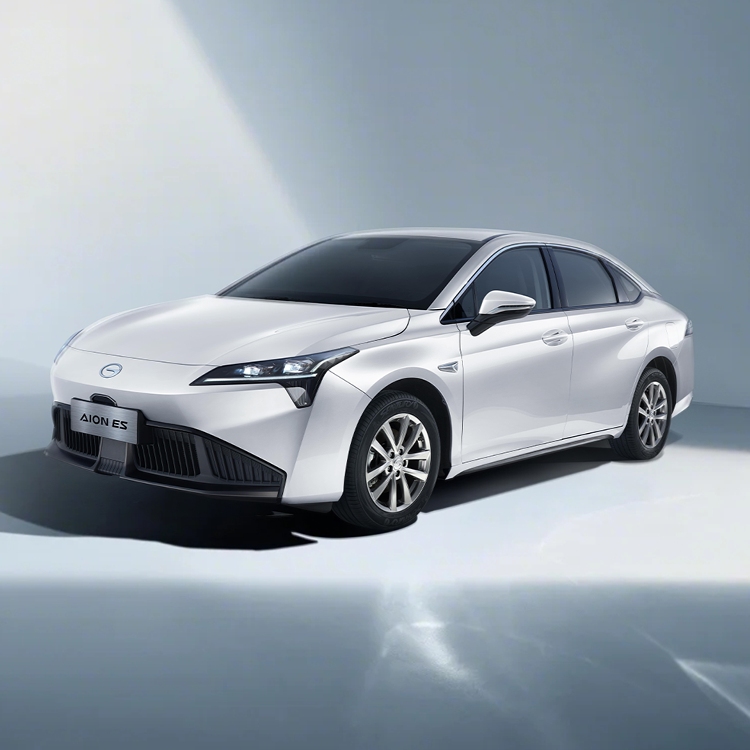
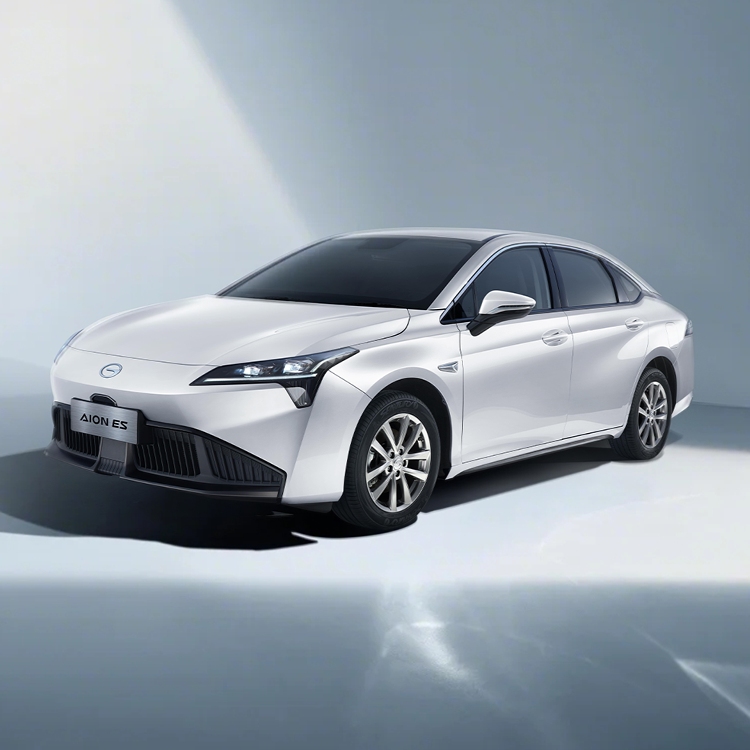
官方 對比指南:GAC aion 的性能、設計與科技誰贏了?

by Amanda July 30, 2026
written by Amanda

前言 — 比較為王道的出發點

在比較車款時,眼前這場比對不是為了製造噪音,而是要把關鍵差異攤開來看清。從最近在上海車展上可見的趨勢,到香港街頭越來越多的充電樁佈局,市場告訴我們:電動車的選擇已到細節決定勝負的地步。這篇文章採取比較式視角,直截了當檢視 GAC aion 在性能、設計與車載科技上的定位。先把官方資料放一邊,想先看實際呈現的面向?那就從 aion ev 品牌官網 的規格頁面起步,然後接著看我們拆解後的觀察。

aion ev 品牌官網

核心比較框架

比較要有標準。我把視角固定在三個維度:動力與續航、空間與設計、軟體與生態。每個維度都用可量化的指標來衡量(像是馬達扭矩、續航里程、車機更新頻率),同時帶入使用情境:都會通勤、長途旅行、或是載物需求。這不是學術測試,而是日常能感受到的差別。

設計與性能對照

設計不只是好看。軸距與車身空間直接影響後座舒適,空力處理決定高速能耗。GAC aion 在車體線條上偏向流線,這對提高實際的電耗效率有利;而在動力調校上,馬達扭矩與速率回應則影響城市起步的實感。續航里程數字很重要,但更關鍵的是實操下的續航表現:溫度、載重與速度都會改變真實數據。

科技與車載軟體生態

車載軟體已成為品牌差異化的主戰場。OTA 更新頻率、車機介面反應速度、以及與手機生態的整合程度,決定車主一年後還願不願意繼續使用。GAC aion 的系統強調互聯與自動更新,但實務上穩定度與延遲感受值得關注。電池管理系統(BMS)是另一個核心——它不只是保護電池壽命,也直接影響充電策略與充電功率的可用時段。

實務拆解與常見錯誤

真正動手拆解會看到細節:散熱路徑、模組化程度、以及線束管理。這裡我放上兩個常見誤區,避免入坑——第一,單看峰值馬力而忽略持續輸出能力;第二,過度依賴廠方續航數據,忽略地形與空調影響。當然,在操作層面,{main_keyword} 與 {variation_keyword} 也會出現在協作流程裡,特別是測試充放電循環與車機通訊時。—小提醒:拆解不是為了批評,而是為了理解設計取捨。

替代選項與實務建議

若你在比較名單上有其他品牌,別只把焦點放在價格或單一參數。把重心放在:日常使用情境、保養與充電便利性,以及車廠的軟體支援策略。短期內,車廠在香港或大陸的維修網絡與配套服務,會直接影響總擁有成本與使用體驗。實務上,試駕同一條路線、同等載重、並檢視車機反應,能給你最貼近真實的比較結果。

評估指標(結尾):選擇的三把尺)

收斂成三個關鍵評估指標,做為選擇電動車的黃金規則:

aion ev 品牌官網

1) 實際續航一致性:在相似路況與溫度下的續航波動幅度。2) 車載軟體更新與故障恢復時間:決定長期使用的流暢度。3) 能量管理效率(含BMS與充電策略):影響電池壽命與充電速度。

總之,若想要一台在都市與長途間都能安穩表現的車,觀察這三項就能快速分出檔次。品牌的價值要從日常的細節看起——而這正是 aion ev 最想解決的日常問題。—記住,真正的優勢不是宣傳,而是每天開門、按下啟動那一刻的感受。

July 30, 2026 0 comments
0 FacebookTwitterPinterestEmail
Tech

Thermal Resilience Testing and Polymer Strategy: Building Heat-Resistant Artificial Olive Trees for Scorched Landscapes

by Amanda June 4, 2026
written by Amanda

A Grim Problem: Heat and Plastic Plants

The sun has started to rewrite design requirements. Manufacturers who once treated lifelike foliage as an indoor novelty now face the reality of outdoor deployment under relentless heat. An artificial olive tree manufacturer that ignores thermal degradation and melting point limits will watch its canopy droop long before its warranty expires. In warehouses and showrooms—some converted from old greenhouses—the move toward a resilient supply chain is visible; even a fake olive tree indoor factory adapts polymer choices for higher temperatures. The IPCC’s findings on more frequent and intense heat extremes serve as a real-world anchor: designs must outlive summers that are getting hotter and longer, or they fail the moment they leave the crate.

artificial olive tree manufacturer

Where Manufacturers Fail: Material Choices and Testing

Most failures trace back to two avoidable errors: cheap base resin and skipped stress testing. PVC with minimal UV stabilizers looks fine for a showroom but succumbs to photodegradation outdoors. Cheap polyethylene foliage can melt or lose pigment when polymer formulation doesn’t account for melting point and sustained heat exposure. Accelerated weathering tests and heat-age cycling are often treated as optional — a shortcut that returns as brittle leaves and bowed branches. Some brands patch over problems with surface coatings that blister under prolonged sun; the underlying polymer remains compromised. The result is predictable: an artificial olive tree that betrays its promise within seasons — a quiet ruin under a blazing sky.

What Works: Design and Engineering for Arid Climates

Durable builds start with three technical commitments. First, select high-melting-point polymers and UV-stabilized additives designed for prolonged solar radiation. Second, specify flame retardant grades and heat-age testing protocols: 1000+ hours of accelerated UV exposure and heat cycling to simulate desert summers. Third, optimize construction—reinforced ribbing in trunks, injection molding for consistent leaf thickness, and polyethylene foliage engineered to retain color and flexibility. These are not exotic techniques; they are responsible engineering. When executed well, outcomes are measurable: reduced crazing, stable pigment retention, and predictable service life.

artificial olive tree manufacturer

Comparative Insight: Price, Durability, and Lifespan

Cost still governs many decisions, but a narrow view of price per unit masks lifecycle expense. Low-cost PVC options might halve upfront costs but often require replacement within 2–3 years outdoors. UV-stabilized polyethylene with robust polymer formulation typically extends usable life to 6–10 years under harsh sun — a longer horizon that reduces installations, transport, and labor costs over time. Warranties and field-tested case studies matter: request weathering test results, ask about injection molding tolerances, and check for real-world deployments in hot regions. These checks reveal who built for endurance and who built for a sale.

Golden Rules for Selecting Heat-Resistant Artificial Olive Trees

Measure three critical metrics before you buy. First, material certification: verify UV resistance ratings, melting point data, and whether flame retardant grades were used. Second, testing pedigree: demand accelerated weathering and heat-aging reports that show performance at elevated temperatures, plus samples of injection-molded leaves rather than thin extruded facsimiles. Third, field evidence: prefer suppliers with documented installations in Mediterranean or arid zones and clear warranty terms that mirror those environments. Trust worthiness is proven by demonstration, not claims. For clients needing a balance of realism and endurance, Sharetrade has curated product lines and technical dossiers that line up with these metrics — practical, verifiable value. —

June 4, 2026 0 comments
0 FacebookTwitterPinterestEmail

Recent Posts

  • Policy Imperatives for Coronary Microcatheter Product Development: A Legal Analysis
  • How to Pick the Right eSIM for Your Travel
  • How to Source a Preclinical CRO When Cost, Lead Time, and Quality Collide
  • Homogenizer Hustle: Maintenance, Service, and Lifecycle Planning — Straight Talk for Mixer Heads
  • Choosing a Fine Chemicals Supplier: What to Compare

Recent Comments

No comments to show.

About Me

About Me

Hi, my name is Mike, a freelancer who love to work from anywhere. I share my journey and tips on how to start freelance on my Blog. Enjoy!

Keep in touch

Facebook Twitter Instagram Pinterest Youtube Email

Popular Posts

  • 1

    Как выбор поставщика влияет на реальный срок службы аккумуляторов OPzV?

    October 19, 2025
  • 2

    Эволюция счетно фасовочных машин: Упаковка таблеток на новом уровне

    September 8, 2025
  • 3

    Неожиданные выгоды аккумулятор DIN EN в реальной эксплуатации? Сравнение без маркетинга

    September 5, 2025
  • 4

    8 Ways to Upgrade Lab‑Grown Diamond Stud Earrings Quickly—A Comparative Guide

    November 5, 2025
  • 修復短路還是精準重建?比較洞見:現代牙齒矯正的選擇與前瞻

    November 3, 2025
  • 6

    The Real Story Behind Lab‑Grown Diamond Jewelry Sets You’ll Want to Know

    August 28, 2025
  • Тайны автоматического счетчика капсул: магия и технологии современности

    November 14, 2025

Categories

  • Business (141)
  • Featured (6)
  • Freelance (21)
    • Guide & Tips (7)
    • Start (7)
    • Tools (7)
  • Global Trade (167)
  • Industry (155)
  • Market (164)
  • Tech (152)

Recent Posts

  • Policy Imperatives for Coronary Microcatheter Product Development: A Legal Analysis

    November 5, 2026
  • How to Pick the Right eSIM for Your Travel

    November 3, 2026
  • How to Source a Preclinical CRO When Cost, Lead Time, and Quality Collide

    November 3, 2026

Featured Posts

  • 6 Free Graphic Design Invoice Templates

    January 26, 2019
  • 10 Tools For Better Documents Editting

    January 26, 2019
  • 5 Gears A Freelancer Should Own

    January 26, 2019

Guides & Tips

  • Policy Imperatives for Coronary Microcatheter Product Development: A Legal Analysis

    November 5, 2026
  • How to Pick the Right eSIM for Your Travel

    November 3, 2026
  • How to Source a Preclinical CRO When Cost, Lead Time, and Quality Collide

    November 3, 2026
  • Facebook
  • Twitter
  • Instagram
  • Pinterest
  • Youtube
  • Email

All Right Reserved. Designed and Developed by cornerbrickmc.