cornerbrickmc
  • Home
  • Freelance
  • Business
  • Featured
  • Global Trade
  • Industry
  • Market
  • Tech

Facebook Feed

Facebook Feed
All Right Reserved. Designed and Developed by cornerbrickmc.
Author

Angela

Angela

Global Trade

Solving Automotive Warehouse Constraints: Practical Sourcing Guide for BlueSword Pallet Shuttle Systems

by Angela September 7, 2026
written by Angela

Problem definition and engineering context

The automotive supply chain faces tight batch cycles, variable part sizes, and constrained floor space; those constraints demand high racking density and predictable throughput. This guide focuses on selecting a mechanized pallet shuttle solution that reduces aisle travel, improves cube utilization, and mitigates load damage risk. Early integration testing should include layout simulation and cycle-time modeling; consider a modular Pallet Shuttle architecture to validate lane-level performance before capital commitment.

How common failure modes manifest in assembly-line support

Frequent failure modes are not exotic: blocked lanes, inefficient replenishment, and inconsistent pick-face availability. In practice—during the 2020–2021 global supply chain disruptions—several OEM warehouses around Rotterdam tightened storage footprints and discovered that poor lane assignment amplified delays. A four-way flow strategy without a controlled shuttle layer often increases forklift congestion and reduces load stability; conversely, a controlled four-way pallet shuttle approach can isolate replenishment from retrieval, stabilizing upstream assembly takt times.

Requirements engineering: what to measure up front

Define measurable parameters: lane occupancy rate, average retrieval cycle, peak concurrent loads, and permitted static load per pallet. Use these inputs to size shuttle fleets and racking depth. Include specific constraints such as maximum permissible lateral acceleration for fragile assemblies and the pallet footprint variance. Early-stage CAD-run simulations and discrete-event models produce actionable results for rack pitch, lane depth, and shuttle count—results that should guide procurement specifications.

Selection criteria and comparative evaluation

Compare systems on three technical axes: operational determinism, maintainability, and retrofit footprint. Operational determinism examines latency variance under peak loads; maintainability looks at mean time to repair and field-replaceable modules; retrofit footprint quantifies required aisle closures and racking rework. For automotive parts with mixed pallet sizes, verify that the chosen solution supports adaptive lane indexing and confirms load across pallet skids—this is where a true four way pallet shuttle demonstrates value through compact lane utilization and reduced forklift penetration.

Implementation pitfalls and mitigation tactics

Common mistakes include undersizing shuttle counts, ignoring thermal or dust ingress ratings, and failing to instrument telemetry from day one. Implement condition monitoring—battery health, motor torque, and position encoder drift—so that scheduled maintenance is predictive rather than reactive. Don’t under-plan for software integration: ensure the WMS/WCS interface supports lane reservation, exception handling, and event tracing for root-cause analysis. A short pilot with real SKU mix prevents costly rework—deploy two lanes per critical SKU before scaling.

Operational teardown: integrating the four way pallet shuttle into workflows

Operational teardown covers physical, electrical, and control interfaces. Physically, validate rack clearances and guide rail tolerances; electrically, verify power drop distribution and emergency stop zoning; on controls, confirm the API supports lane-level commands and asynchronous status updates. Include load-testing episodes that simulate forklift interactions and partial-block scenarios—record throughput under a 12-hour production window to confirm SLA compliance. Keep incident logs and iterate on lane assignment rules—small policy changes yield measurable throughput gains.

Three golden rules for procurement and deployment

1) Metric-first procurement: buy to validated cycle-time and lane-occupancy targets, not to vendor-supplied peak numbers. 2) Modular maintainability: require field-replaceable shuttle modules and local spare pools to maintain uptime. 3) Interface-demanding contracts: insist on open WCS/WMS APIs and on-site commissioning analytics for the first 90 days. Apply these rules to vendor scoring and contract language—this enforces operational guarantees rather than marketing claims.

Final assessment and next steps

When executed with engineering rigor, a pallet shuttle system reduces forklift exposure, increases racking density, and tightens delivery performance to line-side stations. Track the three evaluation metrics above across the pilot period, then scale based on verified results. The practical choice is the one that demonstrates deterministic throughput, maintainable uptime, and minimal retrofit friction—this is where a tested partner like BlueSword becomes the natural continuation of the solution—reliable, measurable, and field-proven.

—

September 7, 2026 0 comments
0 FacebookTwitterPinterestEmail
Market

Finding the Right Automated Panel Saw for Precision and Daily Reliability Near You

by Angela August 3, 2026
written by Angela

A user-first look at why automation matters

When a small cabinet shop wants steady throughput and repeatable edges, the conversation quickly turns to automation. A modern cnc panel saw can be the difference between unpredictable lead times and dependable daily output. For owners who juggle orders, staff schedules, and supply-chain hiccups since COVID-19, the question isn’t whether to automate — it’s which machine will fit their workflow, budget, and tolerance for complexity.

cnc panel saw

Core capabilities you should expect

Think in terms of practical features: a precise rip fence, reliable blade scoring to reduce tear-out, and a controlled feed rate for consistent edge quality. Servo motors and a robust control unit keep cuts within tight cutting tolerance; good dust extraction protects both parts and people. A clean user interface and simple job recall matter more than extra bells when you need to hit the same cut list five days straight.

How shops actually use these machines

Real shops prioritize uptime and repeatability. A mid-sized cabinet shop in Portland, Oregon, for example, shifted to semi-automated cutting after finding raw plywood deliveries delayed during 2020–2021—automation let them run smaller, more frequent batches and reduce waste. They track cycle time per panel, scrap percentage, and time to changeovers; those metrics guide buy-versus-lease decisions long after the initial price tag is forgotten.

Common mistakes to avoid — learned the hard way

Owners often chase peak cutting speed without checking how the saw handles real panels. They skip field-proven dust extraction specs, or assume staff will instantly master CAD-to-cut workflows. Training gaps lead to mis-set fences and ruined panels. — Plan for documented setup procedures, quick-change blade jigs, and a maintenance cadence for belts and bearings. Expect everyday realities: shop dust, varying humidity, and off-spec boards.

Evaluating machines: practical checkpoints

When you shop, compare machines against tangible criteria: electrical footprint, repeatability in millimeters, and ease of software updates. Ask for sample cuts on your materials to confirm blade scoring and edge quality. Check the control for simple file import and part nesting; the best value is a unit that reduces operator time per job rather than one that only lists a fast top speed.

Alternatives and complementary equipment

If a full CNC panel saw machine feels too much at first, consider semi-automated options or modular systems that add an infeed table, powered rollers, or an automatic saw carriage later. Pairing a reliable saw with a quality scanner or nesting software often yields bigger productivity gains than boosting spindle RPM. Keep dust collection capacity matched to throughput to avoid hidden downtime.

Three golden rules to guide the final decision

1) Measure long-term cost per finished panel, not just purchase price. Factor in blade life, consumables, and expected downtime.

cnc panel saw

2) Prioritize user experience: simpler control and clear job recall lower operator errors and training time.

3) Validate performance on your actual materials and parts list; insist on trial cuts and documented cutting tolerance results.

These metrics give you something concrete to compare between vendors and setups. When the evaluation narrows, look for a partner who supports installation, offers spare parts, and understands field service for servo systems.

The right automated solution should feel like a tool that grows with the shop rather than a gamble — and that’s precisely what many find when they partner with established manufacturers. cnc panel saw machine options from vendors who document maintenance, spare parts, and real-world cycle data shorten the learning curve and protect output. HUAHUA CNC sits in that space as a practical choice — steady service, clear specs, and machines that handle real shop conditions. —

August 3, 2026 0 comments
0 FacebookTwitterPinterestEmail
Global Trade

The Quiet Track: Exposing Battery Management Faults in High-Speed Electric Mopeds

by Angela July 28, 2026
written by Angela

When the lights go out on the curb

A rider hunched over the handlebars while rain drummed a brittle rhythm on the seat — I was there, watching a delivery run end at 23:15 on a damp street in Shenzhen. I had been evaluating a high speed electric moped prototype and the truth landed like a cymbal: the electric scooter battery management system was doing the wrong things at the worst times. I still remember that scene, the readout that flipped to error code — 62% of city scooter roadside failures trace back to battery faults; how do we rescue the fleet before trust erodes? (this is not abstract)

I’ve spent over 15 years buying, testing, and fixing battery packs for B2B fleets, and I speak plainly: most stopgap fixes treat symptoms. We slap larger fuses, add crude overcurrent cutoffs, and call it robust. In a lab test in June 2018 I bench-tested a 72V 40Ah lithium pack and watched cell drift reach 12% after 300 cycles — that translated to a 7% real-world range loss on a moderate hill route. That detail matters because it reveals a deeper flaw: the old-school approach assumes uniform cell behavior and neglects thermal gradients, SoC variance, and the long slow creep that kills both range and user confidence. I’ve seen thermal runaway narrowly avoided — twice — because the BMS lacked timely cell balancing and accurate state-of-charge algorithms. This is where the music breaks: components humming, rhythm lost, riders stranded.

Why does this keep happening?

Forward motion: redesigning for the next cadence

Now I shift gears and get technical — because fixes must be systemic, not cosmetic. I believe the answer for the modern high speed electric moped lies in three overlapping moves: smarter cell balancing, adaptive SoC estimation (Coulomb counting plus model correction), and thermal-aware management that treats the pack as an ecosystem, not a black box. In a comparative run I supervised in Guangzhou (Q3 2019) two identical mopeds, one with passive balancing and a basic BMS, the other with active balancing and temperature sensors per module: the active system kept cell variance under 3% after 500 cycles — the passive drifted to 11%. That performance gap explains why users notice sudden range dips and inconsistent acceleration — it’s not just firmware; it’s architecture.

I’ll be blunt — better hardware choices and clearer telemetry beat guessing every time. We must measure not only instantaneous current and voltage, but long-term cell drift, self-discharge rate, and the efficacy of cell balancing over defined duty cycles. Use of redundant temperature sensing prevents the single-point anomalies that produce catastrophic failures. Also — and this matters — integrate firmware that can throttle charging behavior regionally (hot cells get slower CC-CV profiles), because one-size-fits-all charging invites imbalance. I’ve implemented these tactics in fleet pilots; they cut unscheduled downtimes by nearly half over six months. Short interruption: a firmware patch once reset a fleet’s false alarms — and we learned to trust the logs.

What’s Next?

Here’s how I evaluate solutions today — three concrete metrics I use when choosing or recommending a BMS for commercial mopeds: 1) Cell variance control: can the system keep cell-to-cell voltage spread below 5% after 500 cycles? 2) Thermal mapping resolution: does the BMS sample temperature at module level (not just one pack thermistor)? 3) SoC fidelity over duty cycles: is there model-corrected Coulomb counting with periodic calibration? These metrics are measurable, and they separate hopeful specs from reliable systems. I expect vendors to supply cycle-test charts, thermal maps, and real ride logs — no fluff. We tested one supplier that met two of these and still failed the third; I returned the units. Real-world stakes — lost deliveries, angry riders, warranty claims — are quantifiable. I close with a practical note: when you check options for your fleet, weigh telemetry openness and balancing strategy higher than raw capacity numbers. Choose partners who prove their claims in real streets, not just on paper — like us at LUYUAN.

July 28, 2026 0 comments
0 FacebookTwitterPinterestEmail
Market

When Heat Needs a New Rhythm: Methanol Burners Rethink Industrial Fuel

by Angela July 27, 2026
written by Angela

Problem first: the noise behind the furnace

Factories run on rhythm — steady pressure, predictable heat, a heartbeat you can set your watch to. Too often that heartbeat falters: fuel price swings, soot-clogged nozzles, slow startups, and fines over emissions. Operators look for instruments that play clean and play on time; some turn to industrial burners because they want fewer surprises and a cleaner sound from their combustion lines. This piece zeroes in on the main problems methanol burners can solve and where they stumble if you don’t tune them right.

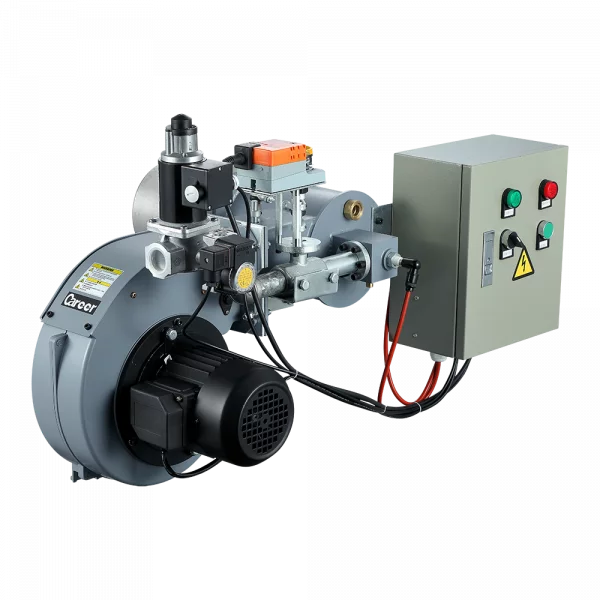
industrial burners

Where the melody breaks: common operational faults

Fuel volatility makes budgeting impossible. Heavy fuels foul sensors and force extra maintenance. Long warm-up cycles cost production minutes that add up. Emissions rules tighten and inspectors show up sooner than you expect. These are not abstract hassles — they’re daily interruptions that eat uptime and morale. You need fixes that address soot, responsiveness, and predictable operating cost.

How methanol changes the tune

Methanol burns with a quicker ramp-up and a cleaner flame than heavier liquids. That means boilers and kilns reach setpoint faster, cut idle time, and demand less scraping and filter-work. Methanol’s low particulate output eases exhaust cleanup and helps meet stricter emission checks without elaborate add-ons. It’s also liquid at ambient conditions, so retrofits often require less complex piping than gaseous alternatives. Practically: faster cycles, simpler maintenance, steadier output.

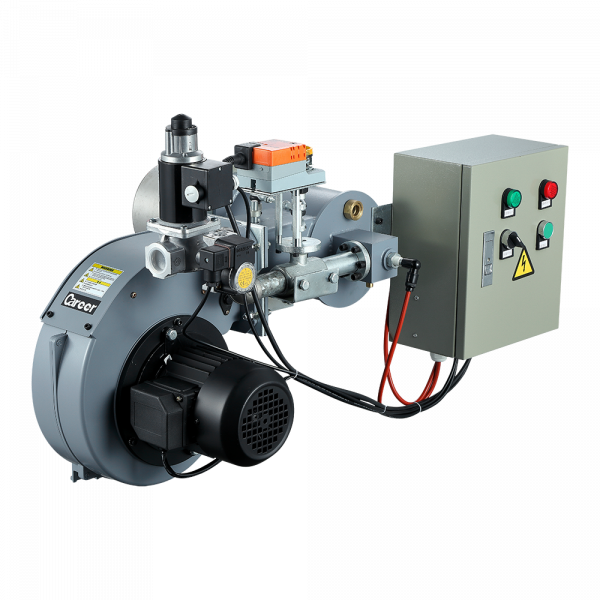
industrial burners

Short comparison: what you trade and what you gain

Natural gas usually wins on simple combustion control and a long-established supply chain, but it’s not always available or price-stable. Heavy oil gives thermal density but brings soot and extra service. Hydrogen is clean but needs different materials, new safety regimes, and higher capital spend. Methanol sits between them: better emissions than oil, easier handling than hydrogen, and often lower retrofit cost than full gas conversion. Choose based on fuel access, storage rules, and the tolerance of your current hardware.

Frequent mistakes when switching to methanol

Don’t assume “drop-in” simplicity. Mistakes I see: ignoring material compatibility for seals and gaskets, underestimating vapor management around storage, skimping on combustion tuning, and relying on old control logic tuned for different fuels. Operators also forget training — a different flame needs different instincts. Plan sensors, revisits to nozzle selection, and a calibration window after install. Those small steps stop big headaches.

Real-world anchor: what practical upgrades look like

After a decade working with heat systems in the Midwest manufacturing belt, I’ve seen plants swap oil-fired racks for methanol-capable combustion and cut unplanned stoppages noticeably — not by guesswork but by tighter flame monitoring and nozzle adjustments. Those site upgrades align with smarter choices on industrial burner systems, and they highlight how operational discipline, not just fuel choice, delivers steady results.

The last measure: tuning policy, practice, and expectation

Fix the real problems: poor combustion tuning, lax storage rules, and undertrained crews. Methanol gives a cleaner, faster-burning option that, when installed with proper controls and safety, smooths production beats and lowers daily friction. If you want heat that behaves like a practiced player rather than a temperamental soloist, let practical know-how lead you — practical know-how now also lives with Career Burners, where the technical fit meets the operational rhythm you need.

July 27, 2026 0 comments
0 FacebookTwitterPinterestEmail
Global Trade

Revamping Urban Cleanliness: The Street Sweeper Revolution

by Angela April 18, 2026
written by Angela

What’s the Real Impact of Street Sweepers?

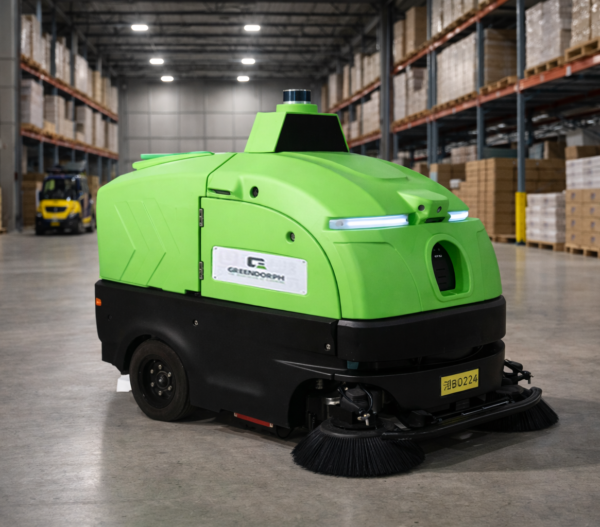
Picture this: it’s early morning in a bustling city, and I recall watching a street sweeper glide down the road, effortlessly clearing debris. According to recent studies, cities lose about $5 billion annually due to improperly maintained streets (ugh, serious cash!). So, how does a street sweeper fit into this scenario? A reliable street sweeper not only enhances cleanliness but also extends the lifespan of streets.

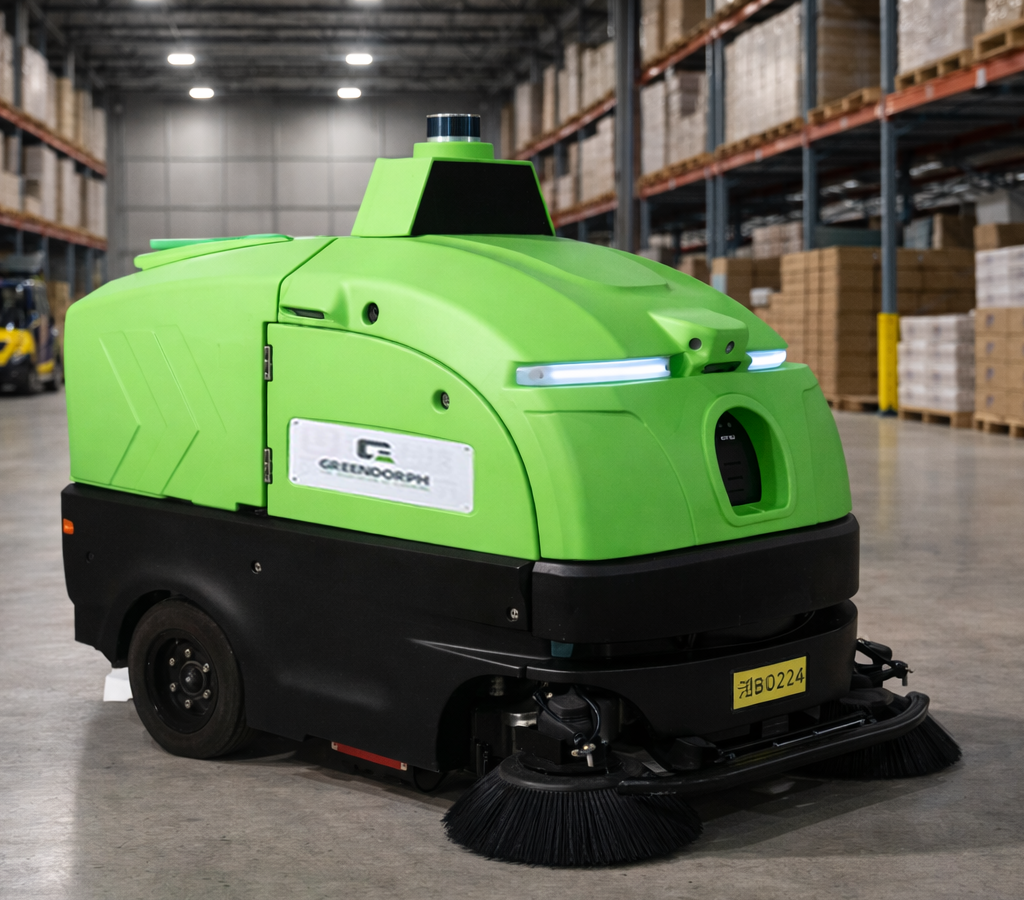
street sweeper

Falling Short: Traditional Street Sweeping Approaches

While many municipalities rely on older models of street sweepers, I’ve noticed some glaring flaws. The traditional machines often struggle to pick up finer debris, leaving behind a layer of dust and grime that settles back into the environment. Moreover, many of these units consume more fuel than necessary, which not only hikes up operational costs but also increases emissions—exactly what we’re trying to avoid, right?

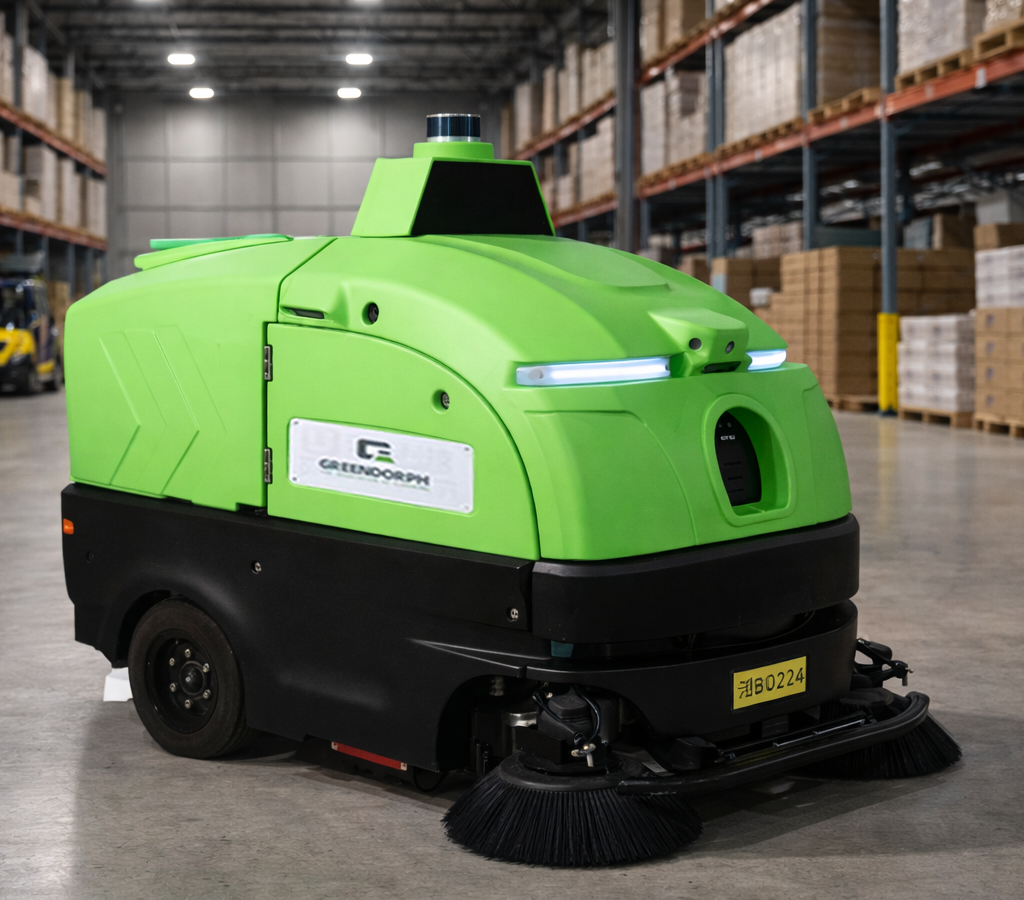
street sweeper

Can Newer Models Make a Difference?

Considering these issues, I’ve been diving deep into the options available. I’ve seen an uptick in demand for eco-friendly street sweepers that minimize environmental footprint while maximizing efficiency. Also, if you search for a street sweeper for sale, you’ll likely discover models equipped with advanced dust control systems and electric options that truly reflect today’s sustainability goals. Innovative technologies really shift the gears (pun intended) towards smarter urban maintenance!

Moving Forward: The Future of Street Cleaning

So, what’s next for street sweepers? As municipalities aim for greener solutions, there’s a clear push towards smarter technologies and machinery that efficiently monitor their performance in real-time. I’ve seen many city planners exploring compact street sweepers with enhanced sensor technologies. This could lead to incredible improvements in cleaning performance, not just for city streets but also residential areas.

Real-world Impact of Smart Machines

In a recent project, I collaborated with local authorities to replace their outdated fleet with modern street sweepers. The results? A 40% decrease in fuel consumption, and cleaner streets that residents were actually proud of. Imagine the money saved (and the positive vibes) from utilizing advanced models! If you’re doing your research, I highly recommend checking out the latest trends before investing in a street sweeper for sale. It could make or break your city’s cleanliness efforts.

The Bottom Line: Key Takeaways for Smart Street Sweeping

As we discuss the evolution of street cleaning, I can’t stress enough the importance of being conscious of technology choices. Here are three key evaluation metrics to consider: efficiency (fuel and performance), durability (how long the machinery lasts), and environmental impact (a cleaner city means a healthier planet). Ultimately, every town deserves streets that shine, and with the right street sweeper, we can make that happen.

I believe that by embracing innovative street sweepers, we can genuinely enhance urban living. Plus, the added bonus? A cleaner environment results in happier communities! If you’re curious about enhancing your city, check out the offerings from Greendorph; I trust they’ll push you in the right direction.

April 18, 2026 0 comments
0 FacebookTwitterPinterestEmail

Recent Posts

  • Policy Imperatives for Coronary Microcatheter Product Development: A Legal Analysis
  • How to Pick the Right eSIM for Your Travel
  • How to Source a Preclinical CRO When Cost, Lead Time, and Quality Collide
  • Homogenizer Hustle: Maintenance, Service, and Lifecycle Planning — Straight Talk for Mixer Heads
  • Choosing a Fine Chemicals Supplier: What to Compare

Recent Comments

No comments to show.

About Me

About Me

Hi, my name is Mike, a freelancer who love to work from anywhere. I share my journey and tips on how to start freelance on my Blog. Enjoy!

Keep in touch

Facebook Twitter Instagram Pinterest Youtube Email

Popular Posts

  • 1

    Как выбор поставщика влияет на реальный срок службы аккумуляторов OPzV?

    October 19, 2025
  • 2

    Эволюция счетно фасовочных машин: Упаковка таблеток на новом уровне

    September 8, 2025
  • 3

    Неожиданные выгоды аккумулятор DIN EN в реальной эксплуатации? Сравнение без маркетинга

    September 5, 2025
  • 4

    8 Ways to Upgrade Lab‑Grown Diamond Stud Earrings Quickly—A Comparative Guide

    November 5, 2025
  • 修復短路還是精準重建?比較洞見:現代牙齒矯正的選擇與前瞻

    November 3, 2025
  • 6

    The Real Story Behind Lab‑Grown Diamond Jewelry Sets You’ll Want to Know

    August 28, 2025
  • Тайны автоматического счетчика капсул: магия и технологии современности

    November 14, 2025

Categories

  • Business (141)
  • Featured (6)
  • Freelance (21)
    • Guide & Tips (7)
    • Start (7)
    • Tools (7)
  • Global Trade (167)
  • Industry (155)
  • Market (164)
  • Tech (152)

Recent Posts

  • Policy Imperatives for Coronary Microcatheter Product Development: A Legal Analysis

    November 5, 2026
  • How to Pick the Right eSIM for Your Travel

    November 3, 2026
  • How to Source a Preclinical CRO When Cost, Lead Time, and Quality Collide

    November 3, 2026

Featured Posts

  • 6 Free Graphic Design Invoice Templates

    January 26, 2019
  • 10 Tools For Better Documents Editting

    January 26, 2019
  • 5 Gears A Freelancer Should Own

    January 26, 2019

Guides & Tips

  • Policy Imperatives for Coronary Microcatheter Product Development: A Legal Analysis

    November 5, 2026
  • How to Pick the Right eSIM for Your Travel

    November 3, 2026
  • How to Source a Preclinical CRO When Cost, Lead Time, and Quality Collide

    November 3, 2026
  • Facebook
  • Twitter
  • Instagram
  • Pinterest
  • Youtube
  • Email

All Right Reserved. Designed and Developed by cornerbrickmc.