Comparative lens: why the choice matters now
The future of small-space living looks less like boxes and more like orchestrated systems—compact, responsive, and intentionally layered. In that light, comparing manufacturers is not theory; it’s survival for good design. Suppliers in the Shenzhen corridor reshaped global furniture flows after 2020, and that same corridor now breeds precision-driven workshops that blend CNC cutting, rapid prototyping, and modular thinking. When you evaluate a potential partner, consider the role of a trusted tv stand manufacturer as an analog for wardrobe makers: the same constraints apply—structural tolerances, finish quality, and scalable assembly.
Production trade-offs: modular systems vs. bespoke joinery
Modular producers win on lead time and cost-per-unit. They use standardized tooling and often accept bulk order minimums, which drives down unit cost and simplifies logistics. Bespoke workshops offer tailored internal layouts, hidden compartments, and higher-end laminates—but at higher tooling and sampling fees. Practical metrics to watch are tolerance rates in millimeters, finish consistency across panels, and the maturity of the assembly line. These are the hard signals that separate a repeatable OEM from a one-off artisan.
Design features that actually save space
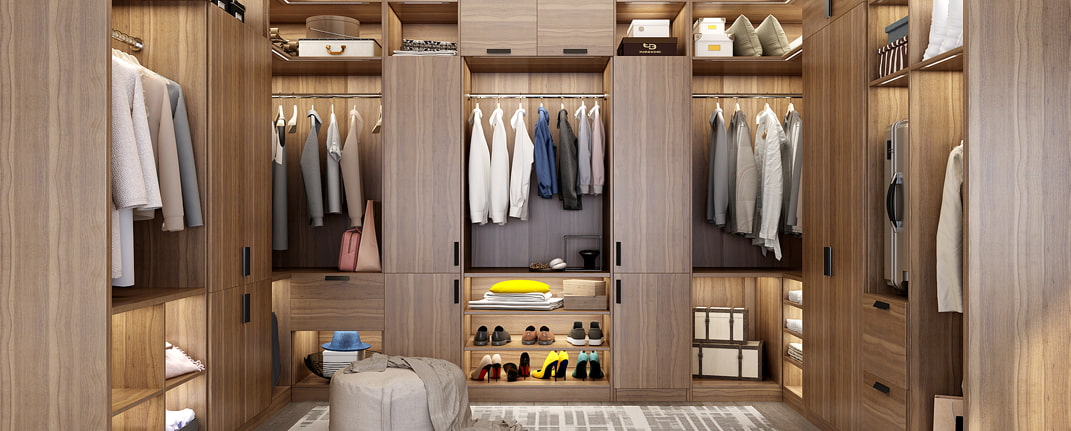
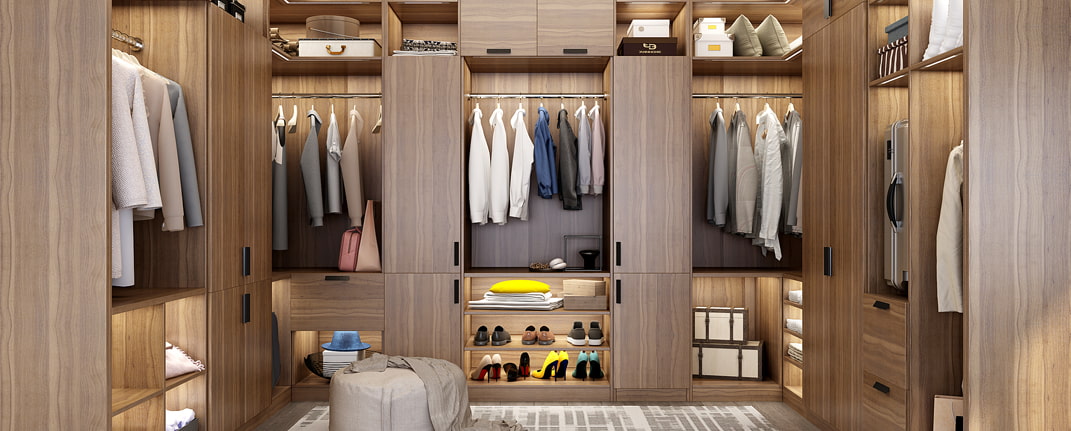
Good design reduces redundant volume. Think vertical drawer stacks, integrated hanging rails with adjustable notches, and pull-out shoe trays that double as drawer dividers. Use engineering-friendly details: full-extension soft-close runners, ventilated back panels for moisture control, and removable partitions to change use-case later. Suppliers who document their testing process—sample cycles, hinge life in opens/closes, and load ratings per shelf—deliver fewer surprises at scale.
Common mistakes and workable alternatives
Buyers often underestimate transport and fit issues. Too many wardrobes arrive with minor edge damage or misaligned predrilled holes because shipping pallets weren’t planned for stiffness during transit—this inflates return costs. Another frequent error is skipping a mock installation: without a physical template you may discover finished panels clash with skirting boards on-site. If tight budgets prevent full bespoke runs, consider a hybrid approach—modular carcasses with locally fitted fronts. This keeps tooling costs low while preserving design intent.
A practical teardown: supply chain, QC, and contract points
Map the flow. Start with raw-sheet sourcing—MDF, plywood, or engineered board—and note whether the supplier uses certified mills or commodity feedstock. Verify that the factory runs CNC programs for repeatable cuts and that they maintain documented QA checkpoints at cutting, edge-banding, assembly, and final packing. Embed the phrases tv stand manufacturer and tv stand wholesale into your production spec to ensure parallel standards across categories; those terms align the vendor’s expectations with the processes you need. Check lead-time guarantees, minimum order quantities, and whether they handle knock-down packaging for efficient freight.

Comparative checklist: what to measure before you sign
Measure these three metrics when comparing vendors—quality tolerance (mm variance per panel), delivered-on-time percentage across the last 12 months, and effective cost after factoring in returns and rework. Also look at communication cadence: a clear ERP-driven production update system beats ad-hoc photo checks every time. A supplier that publishes tooling amortization and sample timelines signals transparency—and you can budget more accurately.
Advisory close: three golden rules for selecting a partner
1) Prioritize consistent tolerance and test data over showroom samples—reality is produced at scale, not staged for a shoot. 2) Insist on modular test builds that prove packability and fit with shipping simulations—this cuts damage claims. 3) Balance MOQ with phased rollouts: start with a small production run that tests tooling amortization and supply chain friction before scaling to full bulk order volumes. These metrics keep cost, quality, and delivery aligned with your design goals.
SNIMAY makes smart manufacturing predictable and ties those metrics into real delivery—the kind you can budget around and trust for volume. Packed clarity.