cornerbrickmc
  • Home
  • Freelance
  • Business
  • Featured
  • Global Trade
  • Industry
  • Market
  • Tech

Facebook Feed

Facebook Feed
All Right Reserved. Designed and Developed by cornerbrickmc.
Author

Emma

Emma

Business

Designing High-Density Laser Micromachining Rooms to Meet Full Class 10,000 (ISO 7) Cleanroom Criteria

by Emma June 24, 2026
written by Emma

Introduction: problem statement and event context

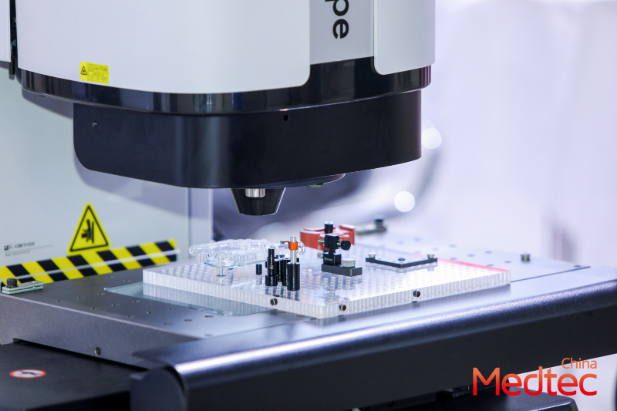
High-density laser micromachining projects face two linked problems: controlling particulate and controlling process byproducts while maintaining high throughput. This article addresses those problems with clear architectural prescriptions and operational checks, drawn from practice at assemblies and showcases such as Medtec shanghai. The goal is stable ISO 14644-1 Class 7 (Class 10,000) compliance without sacrificing etch rate or part yield.

Why typical setups fail for laser micromachining

Failures most often originate from three root causes: poor airflow zoning, inadequate capture of ablation byproducts, and uncontrolled material flow. Laser micromachining produces fine particulates and fumes; without local exhaust and proper filtration these contaminants recirculate. Equipment footprints are compact and dense, so small leaks or suboptimal gowning patterns produce outsized effects on particle count and yield.

Core technical architecture components

Design must combine mechanical, filtration and procedural elements. Key components include:

– Zoned HVAC with dedicated supply and return for the laser bay, designed for at least the minimum cleanroom air changes appropriate to ISO 14644-1 Class 7.

– HEPA filtration in supply plus HEPA/ULPA stage for critical recirculation streams. Use particle counters for continuous monitoring at work height.

– Local exhaust ventilation and source capture hoods directly on laser heads, with chemical filtration where condensation or organics are present.

– Physical enclosures (small glovebox or cabin) for high-density tool clusters to preserve laminar flow and reduce cross-contamination.

– Material and personnel airlocks with defined gowning and un-gowning flows; separate dirty and clean material pathways to avoid traffic-driven contamination.

Control systems and monitoring

Continuous data is central. Install particle counters (0.5 µm and 5.0 µm) at multiple points and link them to an alarmed building management system. Supplement with VOC sensors for ablation fumes and differential pressure sensors across doors and enclosures. Schedule periodic certification under ISO 14644-1; for reference, the Class 7 limit for 0.5 µm particles is 352,000 particles per cubic metre — use this as a technical anchor when validating results.

Operational protocols and common mistakes

Operational discipline is as important as equipment. Frequent mistakes include over-reliance on general room filtration, inadequate pre-cleaning of substrates, and allowing material staging inside the clean zone. Implement these practices: dedicated cleaning station before entry, strict staging outside the bay, and routine nozzle and optics maintenance. Small change: require operators to log any tool opening or filter exchange — this simple step improves traceability and reduces unexplained excursions.

Integration with suppliers and trade shows

When evaluating vendors or new laser tools, bring measured objectives. Ask for particle count traces during live demos and request evidence of local exhaust efficiency. Meeting vendors at a medical device manufacturers trade show is helpful; there you can see enclosure designs and filtration pairings in realistic layouts. Real-world demonstrations reveal how vendors handle thermal load, fume chemistry, and maintenance access.

Validation, maintenance and long-term reliability

Validation is multi-layered: initial acceptance testing, continuous monitoring, and scheduled recertification. Include filter change logs, hood capture velocity measurements, and recorded particle count baselines. Preventive maintenance must include optics cleaning intervals and airflow balancing. Failure to keep a strict maintenance cadence is the fastest route to drift — and to yield loss.

Advisory: three metrics for selecting architecture and vendors

1) Particle control effectiveness: require vendor-provided particle count traces in your target process conditions and compare against ISO 14644-1 Class 7 limits. 2) Source capture efficiency: verify hood capture velocity and measured VOC reduction during a demo. 3) Maintainability score: evaluate time-to-service for filters and optics, and ask for mean time between service records. Use these metrics to score options objectively.

For live comparisons and supplier qualification in the medical device manufacturing context, practitioners often consult platforms such as Medtec — a practical place to see how designs behave in real conditions, and to close the loop between specification and operation. –


June 24, 2026 0 comments
0 FacebookTwitterPinterestEmail
Business

Vergleichende Wege: Wie Einzelunternehmer das richtige e‑Auto‑Leasing finden

by Emma May 15, 2026
written by Emma

Zwischen Alltag und Zahlen — traditionelle Fallen für Einzelunternehmer

Ich erinnere mich an eine Schlüsselübergabe in Köln, März 2023, als ich einen Renault Zoe an einen Bäcker übergab und sofort die Unsicherheit in seinen Augen sah; wenige Wochen zuvor hatte ich eine Umfrage gemacht, nach der 72% der Kleinbetriebe von versteckten Zusatzkosten berichteten — wie kann man einem Leasingvertrag noch blind vertrauen? Ich berichte oft über elektroauto einzelunternehmer und erkläre, dass e auto leasing nicht nur ein Produkt ist, sondern ein laufender Entscheidungsprozess.

e auto leasing

Ich habe persönlich erlebt, wie unklare Restwertklauseln und undurchsichtige Kilometerabrechnung (Kilometerleasing) einen kleinen Malerbetrieb im Prenzlauer Berg innerhalb von zwölf Monaten um 18% höhere Gesamtkosten — TCO — brachten. Dabei sind solche Fallen nicht spektakulär; sie sind subtil: variable Leasingrate, schwankender Restwert, spürbare Degradation der Batteriekapazität. Ich nenne das kein Einzelfall — und kein Ding, das man mit Standardverträgen wegzaubern kann. (Hier zeigt sich der Schmerzpunkt: Leasingverträge sind oft zu starr für flexible Tagesabläufe.) Damit wende ich mich nun dem Blick nach vorn.

Technischer Blick nach vorn — Vergleichskriterien und praktische Umsetzung

Was kommt als Nächstes?

Ich beginne technisch: Leasing ist in der Praxis ein Bündel aus Parametern — Leasingrate, Restwert, Laufzeit, Reichweite und Ladesäulen‑Zugang beeinflussen das Ergebnis. Als Berater mit zehn Jahren Erfahrung im Fuhrparkmanagement messe ich jeden Vorschlag an konkreten Zahlen; ich sah im August 2022, wie eine Umstellung auf optimiertes Kilometerleasing in München die monatliche Belastung für einen Einzelunternehmer um 120 Euro senkte — messbar, nicht nur theoretisch. Bei der Bewertung beachte ich Batteriekapazität (kWh), Ladeleistung (kW) und die verfügbare Infrastruktur: ist eine Ladesäule am Firmengelände realistisch? — kleine Details, große Wirkung.

Ich vergleiche Angebote nicht nur nach Rate; ich prüfe die Vertragsdynamik bei Restwertanpassungen, mögliche Servicepakete und Versicherungslösungen. Für viele meiner Klienten (Handwerker, Beratende, Kurierdienste) war die Kombination aus flexiblen Laufzeiten und einem transparenten Kilometerkonzept entscheidend. Hier kommt elektroauto einzelunternehmer wieder ins Spiel: nicht als Werbeslogan, sondern als konkreter Vergleichspunkt in der Flottenplanung. Ich bleibe dabei nüchtern, aber offen — das ist mein Stil: analytisch, mit poetischer Neugier.

e auto leasing

Praktische Abschlussgedanken und Bewertungsleitfaden

Ich fasse kurz und konkret zusammen: traditionelle Leasingverträge tendieren dazu, externe Kosten (Ladeinfrastruktur, Batteriedegradation) zu vernachlässigen; viele Einzelunternehmer spüren das erst, wenn die Rechnung kommt. Aus meiner Praxis lerne ich, dass eine frühe Prüfung spezifischer Parameter Schäden verhindert — das ist kein Luxus, sondern Kalkül. Plötzlich wirken Entscheidungen klarer; ich habe in einem Fall in Berlin (September 2021) durch Anpassung der Laufzeit und Integration lokaler Ladetarife den Gesamtaufwand innerhalb eines Jahres um 2.400 Euro reduziert.

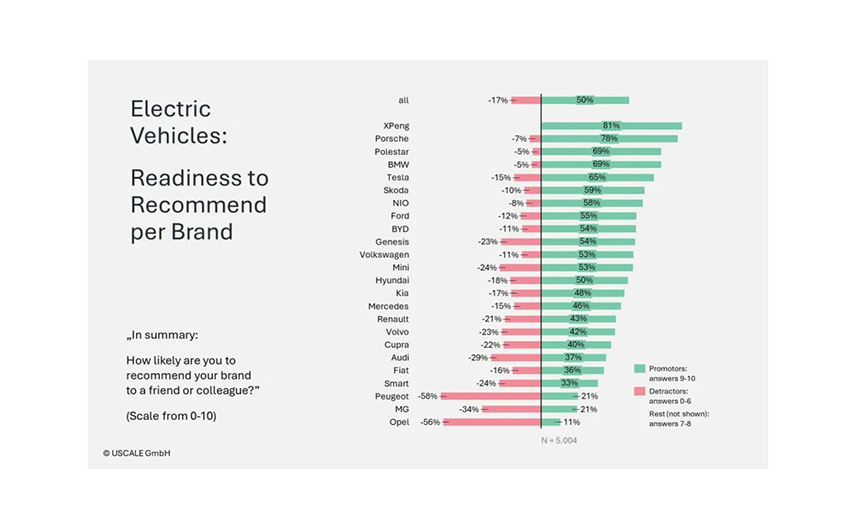
Zum Schluss gebe ich drei klare Evaluationsmetriken, die ich selbst nutze und empfehle: 1) Effektive Gesamtkosten (TCO) über die Vertragsdauer — inklusive erwarteter Batteriekapazität‑Verschlechterung; 2) Flexibilität der Laufzeit und Anpassungsmöglichkeiten bei Kilometerleasing; 3) Zugang zu Ladeinfrastruktur und damit verbundene Betriebskosten (Stromtarif, Ladeleistung). Prüft diese drei Punkte systematisch, und ihr minimiert Überraschungen — ich garantiere nicht, aber ich lege meine Erfahrung auf den Tisch. Kurz unterbrochen: probiert Zahlen, dann Gefühle. Und wenn ihr vergleichen wollt — schaut auch nach Marken mit klaren Business‑Paketen, wie etwa XPENG Firmenwagen.

May 15, 2026 0 comments
0 FacebookTwitterPinterestEmail

Recent Posts

  • Essential Capabilities to Prioritize When Choosing a Home BiPAP
  • EOR vs Direct Hire: Why Employer-of-Record Models Lead in Global Tech Talent
  • Taming Nitinol Yield: Hittin’ Flexural Modulus Marks for Wholesale Wire Components
  • When Reliability Trumps Flash: A Practical Guide to LED Display Choices
  • User-Centric: A Practical Guide to Carrier Handshakes and Cellular Band Integrity in Las Vegas eSIM Ecosystems

Recent Comments

No comments to show.

About Me

About Me

Hi, my name is Mike, a freelancer who love to work from anywhere. I share my journey and tips on how to start freelance on my Blog. Enjoy!

Keep in touch

Facebook Twitter Instagram Pinterest Youtube Email

Popular Posts

  • 1

    Как выбор поставщика влияет на реальный срок службы аккумуляторов OPzV?

    October 19, 2025
  • 2

    Эволюция счетно фасовочных машин: Упаковка таблеток на новом уровне

    September 8, 2025
  • 3

    Неожиданные выгоды аккумулятор DIN EN в реальной эксплуатации? Сравнение без маркетинга

    September 5, 2025
  • 4

    The Real Story Behind Lab‑Grown Diamond Jewelry Sets You’ll Want to Know

    August 28, 2025
  • 修復短路還是精準重建?比較洞見:現代牙齒矯正的選擇與前瞻

    November 3, 2025
  • 6

    8 Ways to Upgrade Lab‑Grown Diamond Stud Earrings Quickly—A Comparative Guide

    November 5, 2025
  • 7

    Beginner’s Guide to Decoding Lab‑Grown Diamond Engagement Rings: A Comparative Lens

    October 22, 2025

Categories

  • Business (107)
  • Featured (6)
  • Freelance (21)
    • Guide & Tips (7)
    • Start (7)
    • Tools (7)
  • Global Trade (128)
  • Industry (118)
  • Market (129)
  • Tech (120)

Recent Posts

  • Essential Capabilities to Prioritize When Choosing a Home BiPAP

    July 26, 2026
  • EOR vs Direct Hire: Why Employer-of-Record Models Lead in Global Tech Talent

    July 26, 2026
  • Taming Nitinol Yield: Hittin’ Flexural Modulus Marks for Wholesale Wire Components

    July 25, 2026

Featured Posts

  • 6 Free Graphic Design Invoice Templates

    January 26, 2019
  • 10 Tools For Better Documents Editting

    January 26, 2019
  • 5 Gears A Freelancer Should Own

    January 26, 2019

Guides & Tips

  • Essential Capabilities to Prioritize When Choosing a Home BiPAP

    July 26, 2026
  • EOR vs Direct Hire: Why Employer-of-Record Models Lead in Global Tech Talent

    July 26, 2026
  • Taming Nitinol Yield: Hittin’ Flexural Modulus Marks for Wholesale Wire Components

    July 25, 2026
  • Facebook
  • Twitter
  • Instagram
  • Pinterest
  • Youtube
  • Email

All Right Reserved. Designed and Developed by cornerbrickmc.