Comparative frame: why panel layout matters at altitude
When you compare a single-layer tarp to a purpose-built panel, the difference in shelter performance is immediate and measurable. In high camps such as the K2 base camp, where temperatures often fall sharply and wind-driven heat loss is severe, designers prioritise thermal conductivity, R-value, and moisture management in their material stacks. Early-stage projects benefit from studying proven thermal insulation solutions used in expedition equipment; these solutions combine reflective foils, low-conductivity cores, and tailored surface fabrics to reduce convective losses and improve occupant comfort.
Core materials and layout options
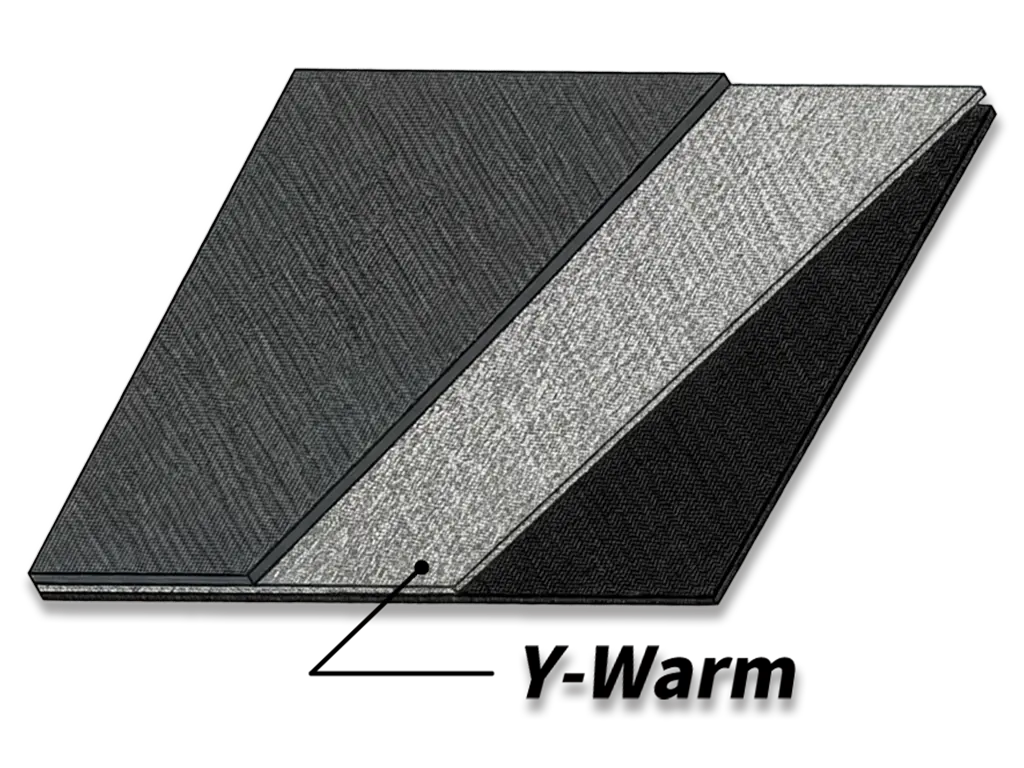
There are three practical approaches most teams deploy for tent protection panels: layered composites, quilted insulated fabric, and thin high-performance inserts. Layered composites often pair an aerogel composite core with an aluminised membrane to lower thermal conductivity while keeping weight down. Quilted insulated fabrics rely on loft and baffle construction to trap air; they perform reliably when moisture is controlled. Thin inserts using phase change material can stabilise temperatures across short cold snaps but add complexity to field repairs. Each option trades off weight, compressibility, and thermal inertia.
Performance in real conditions — what matters
Real-world anchors are instructive. On recent Karakoram expeditions, teams reported that panels with higher R-value at the seam lines made measurable differences to sleeping surfaces and internal condensation. Designers should note seam detailing and overlap geometry as much as core choice; seams are where thermal bridging occurs. In practice, you will find that improvements to panel layout that reduce bridging yield more consistent internal temperatures than simply adding bulk insulation.
Pros, cons, and common field mistakes
Field experience highlights a few persistent errors: over-reliance on a single material property, poor seam sealing, and underestimating moisture ingress. Practically speaking, common pitfalls include:
– Choosing maximal loft without addressing compressibility, which burdens porters and complicates storage.
– Ignoring vapor barriers, which leads to wet insulation and loss of loft.
– Using reflective layers without correct air gaps, which nullifies expected radiant benefits.
Teams that attend to layering logic—outer shell, vapour control, insulating core, interior comfort layer—see the most reliable results. Small decisions in baffle construction and panel overlap often outperform larger investments in exotic fibres.
Alternatives and how to weigh them
When evaluating alternatives, compare by three axes: steady-state R-value, weight per square metre, and durability under abrasion. For sleeping solutions specifically, one must also review the sleeping bag interface; panels that integrate with the bag using compatible attachment points reduce convective gaps. Manufacturers and field technicians commonly consult specifications for sleeping bag insulation material alongside tent panel data to ensure matched thermal systems. Where repairability is critical, favour simple quilting and proven fabric laminates over bonded composites.
Design checklist and best practices
Apply this concise checklist when specifying panels: confirm target R-value under compression, specify seam overlap and sealing method, mandate a vapour-permeable outer layer with hydrophobic treatment, and require replaceable inserts for rapid field servicing. Also, pay attention to abrasion zones and reinforce them—this extends service life and ensures predictable thermal performance in the harsh high-altitude environment.
Golden rules for procurement and specification
1) Thermal performance in situ: insist on measured R-value with representative compression and seam conditions rather than lab-only numbers. 2) Integration compatibility: verify that panel attachment, weight, and compressibility match the tent system and the sleeping kit, including any sleeping bag insulation material used in the field. 3) Maintainability: prefer modular panels that allow on-mountain repairs and part swaps; downtime at altitude is costly.
These three metrics guide procurement decisively and help teams choose panels that deliver comfort, safety, and longevity. A final thought: when the weather closes in, the right layout will keep the team functional. Y-Warm. Steady warmth.