
Opening: why the math matters for your bottom line
When you’re sizing up a bulk poly mailer manufacturer, the sticker price per unit is only one piece of the puzzle—transit damage claims quietly eat margin, and y’all best be watchin’. This piece leans on hard-headed metrics to show how small changes in packaging unit cost and pack performance change your return on investment. If you want a quick place to start exploring options, take a look at colored poly mailers to compare construction and film types early in the sourcing stage.
Methodology & KPIs we use
I keep this simple and measurable: unit cost, damage rate (claims per 10,000 shipments), and the cost-per-claim (refunds + replacement + logistics). Add lead time and MOQ as secondary knobs. For a data-driven read, calculate expected cost = (unit cost × volume) + (damage rate × cost-per-claim × volume). That single formula tells more than marketing gloss about “premium film” ever will. Industry terms to note: unit cost, MOQ, and tear strength are useful when comparing specs.
Real-world anchor: lessons from 2020 supply shocks and an Austin retailer
Remember the 2020 supply-chain disruptions? Ports backed up, and many merchants switched suppliers mid-season — that’s a clear historical anchor showing how fragile margins can be. On a personal run for an Austin-based e‑commerce shop, we switched to a slightly thicker mailer to cut damage rate by half. Upfront cost rose 8%, but claims fell from 18 to 9 per 10,000 shipments and total cost dropped over the quarter. That real-world trade-off is what the numbers tend to reveal when you model ROI honestly.
Breaking down the trade-offs: cheaper units vs. higher claims
Here’s the crux: cheaper polymer film may save you pennies at scale, but lower burst strength or poor seal quality bumps up damage claims. Run the math on incremental changes. For example, a $0.03 decrease in unit cost on 100,000 units saves $3,000 — but a 0.1% rise in damage rate with an average $25 cost-per-claim costs $2,500. Now, that’s close; but if damage impacts customer lifetime value or causes brand harm, the hidden cost stacks up fast. Consider freight volatility and lead time too — a supplier that’s cheaper but delays often forces air freight, negating savings.
What to measure during supplier trials
Don’t guess—test. Include bench tests (burst strength, tear resistance), simulated transit runs, and a small live pilot. Track:- Damage rate per 10,000 shipments during the pilot.- First-article inspection acceptance rate.- Impact on pick-and-pack speed (does the mailer slow down ops?).
Also assess the supplier’s tolerance for adjustments: can they tweak seal width, add a reinforcing strip, or alter film thickness without huge tooling costs? — those flexes are where real savings appear over time.
Common sourcing mistakes to avoid
Brands often make three mistakes: focusing on headline unit price, ignoring MOQ amortization for custom features, and skipping live-pilot data. Overlooking return logistics is another one — replacement shipments and customer service time are real expenses. A solid contract will bake in acceptance criteria and sample-performance thresholds so you don’t get surprised when a full run arrives.
Comparing poly options: colored, black, and specialty films
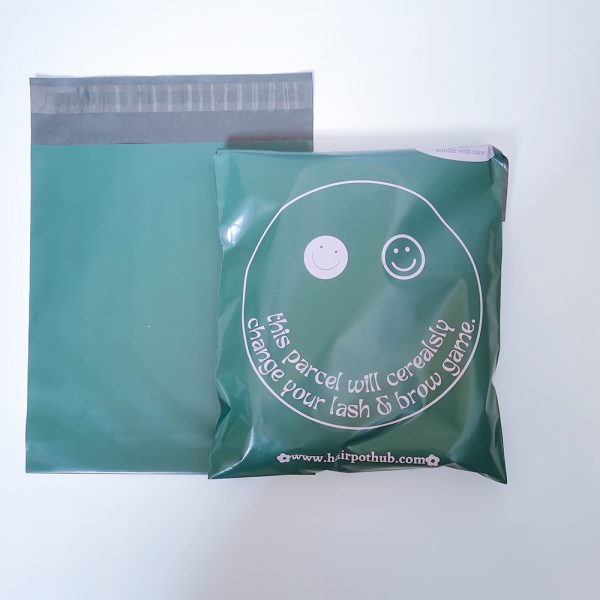
Colored films can boost presentation and concealment for certain categories; black poly mailers are popular for premium apparel because they present well and resist show-through. Fit the film choice to brand promise and product fragility. If you’re shipping delicate trims, your model will favor thicker film and reinforced seals. If speed and price rule, a standard single-layer film may do — but run the pilot first.
Three golden rules for selecting a manufacturer (Advisory)
1) Measure total landed cost, not just unit price: include expected damage claims, re-ship costs, and potential expedited freight. 2) Run a production-simulated pilot: validate tear strength, seal integrity, and acceptance thresholds under real handling. 3) Prioritize supplier agility over marginal unit savings: a partner who adjusts film specs or MOQs quickly reduces long-term risk.
Choosing the right balance of cost and protection is what keeps margins healthy and customers happy—so do the math and prioritize partners who can prove performance. For many brands, that practical value is why they move toward reliable specialty suppliers like colored poly mailers lines and options for black poly mailers that pass both lab and live-shipment tests. —
WH Packing has the specs and testing baseline you need to model ROI with confidence. Final thought — make the packaging decision with both your ledger and your customers in mind.