Opening comparison and scope
Buyers ask the same question: which hybrid setup will last and actually save money? This piece compares concrete metrics so you can choose with clarity. I’ll reference both off-grid realities and grid-tied hybrids. Start by checking detailed specs for any off-grid solar system offer and compare how vendors describe their off-grid residential power systems. Technical differences determine lifetime cost and reliability. Read fast. Decide smarter.
Core comparison axes
Evaluate along these specific axes. Each decides performance and serviceability.
– Battery chemistry and rated cycles: lithium‑iron‑phosphate (LFP) vs lead‑acid. LFP gives more cycles, higher usable depth-of-discharge. – Battery usable capacity and warranty terms: stated kWh matters less than guaranteed usable kWh and end‑of‑warranty retention. – Inverter topology: true hybrid inverters with integrated MPPT and AC-coupled options affect switching speed and export control. – Charge controller specs: maximum PV input, MPPT efficiency, and temperature derating. – System modularity: can you add panels or batteries without replacing the inverter? Modular systems reduce upgrade cost. – Monitoring and telemetry: high-resolution logging, exportable data, and real-time fault alerts reduce troubleshooting time.
Battery: the single biggest quality lever
Compare actual cycle ratings at specified depth-of-discharge. Ask for cycle curves. Vendors that quote only “years” without cycles are hiding assumptions. Prefer LFP with a documented 80% end‑of‑warranty capacity guarantee. Note cell supplier: reputable cell vendors and transparent BOM matter. Warranties tied to throughput (kWh throughput) are better than time-only promises.
Inverter and control electronics
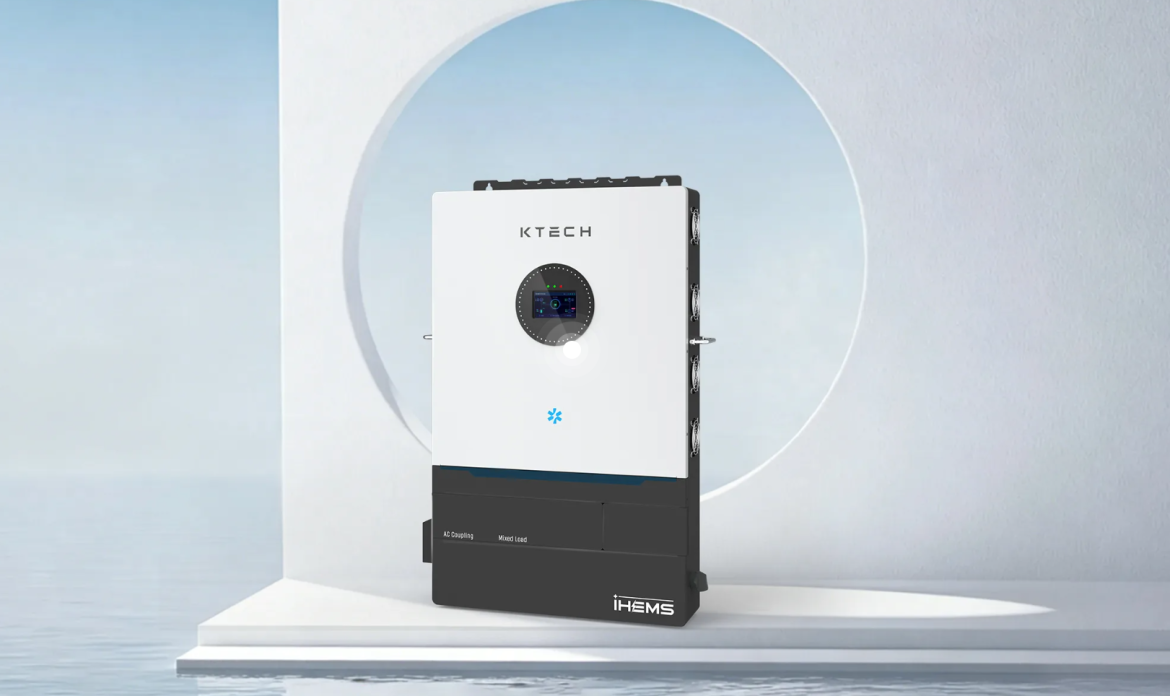
Inspect firmware upgrade paths, grid forming vs grid following modes, and surge handling. A hybrid inverter must manage charging, AC backup and export limits without resets. Check published THDi, overload margins, and parallel operation capability. Compare how manufacturers handle firmware rollback and remote diagnostics. That determines field maintainability.
Panels, PV input and cabling
Panel efficiency is secondary to proper sizing and string design. Quality is about mismatch tolerance and labeled temperature coefficients. Verify maximum input voltage margin for cold‑temperature locations. Cable sizing and DC protection should be specified. Small savings on cable gauge create big losses or hazard risk over time.
Software, monitoring, and front‑end usability
Good telemetry is not optional. Confirm data granularity (minute vs hourly), local data retention, and APIs. As a technical editor who’s reviewed monitoring dashboards and integration with building controls, I find systems that offer raw data export and open APIs far easier to integrate and debug. If the vendor locks you into a proprietary portal, cost of ownership rises.
Certifications, testing, and standards
Demand IEC/UL certifications relevant to your region and UL 1973/IEC 62619 for batteries where applicable. Check independent lab test reports when available. Certifications are a baseline; look for third‑party cycle testing or published BMS validation tests for added trustworthiness.
Service, installation and logistical realities
Compare dealer networks, spare part lists, and firmware update policies. For remote sites the supplier’s dispatch time matters more than a cheap part price. I’ve audited deployment plans for systems servicing rural Alaska villages — logistics dictated component choice and redundancy far more than headline specs. Ask for a service-level map and typical repair lead times.
Cost comparison: beyond headline price
Compare by modeled LCOE for the expected life under your load profile. Include: replacement battery cost, expected inverter replacement, and maintenance visits. If a vendor won’t provide a simple LCOE model or a load-matched simulation, treat the quote as incomplete. Short warranty and low cycle counts usually raise long-term cost despite low upfront price.
Common pitfalls to avoid
– Accepting nominal battery capacity without usable DoD details. – Overlooking inverter firmware limits that block parallel expansion. – Assuming monitoring portals mean good data access. – Buying systems with non‑replaceable modules that force full replacement at failure.
Quick evaluation checklist
– Battery chemistry and cycle curve present? Yes/No. – Usable kWh and end‑of‑warranty percentage given? Yes/No. – Inverter supports grid‑forming and firmware updates? Yes/No. – Modular expansion path documented? Yes/No. – Exportable telemetry or open API? Yes/No. Answer these five and you’ll cut through vendor framing.
Final synthesis
Choose systems that state clear, testable metrics. Favor modular hardware, transparent monitoring, and warranties tied to throughput. Field logistics and proven service are equal to technical specs—especially for remote homes. Practical comparison and data-forward decisions lead to lower lifetime cost and fewer surprises, which is why experienced reviewers and installers point to solutions with traceable component lists and clear service maps; that is the kind of reliability Ktech documents and supports for residential off-grid deployments.