Comparative view that starts with the machine’s purpose
Decide what outcome matters most: homogeneous suspension, fast dispersion, gentle blending or sanitary cleanliness. When you frame choices by outcome you start to see trade-offs clearly — power consumption against shear, simplicity against control sophistication. If your line needs focused high-velocity entrainment rather than bulk agitation, an inline Jet Mixer changes how you size pumps and nozzles. Compare suppliers by how they translate desired process results into equipment choices rather than by price alone.
What to measure and compare
Performance: ask for test data showing mixing time, power draw, and scale-up curves for the exact fluid viscosities and densities you run. Materials and fabrication: specify alloys, surface finish, and weld quality. Controls and instrumentation: look for closed-loop options, available I/O, and recipe management. Engineering documentation: request P&ID, structural calculations, and FAT protocols. After-sales: spare parts lead times, condition-based service options, and local field support. Delivery risk: factory lead times, procurement transparency, and logistics handling for oversized items. Total cost: compare not only capital price but predictable maintenance costs and retrofit flexibility.
Comparative anatomy: mixer technologies and where they win
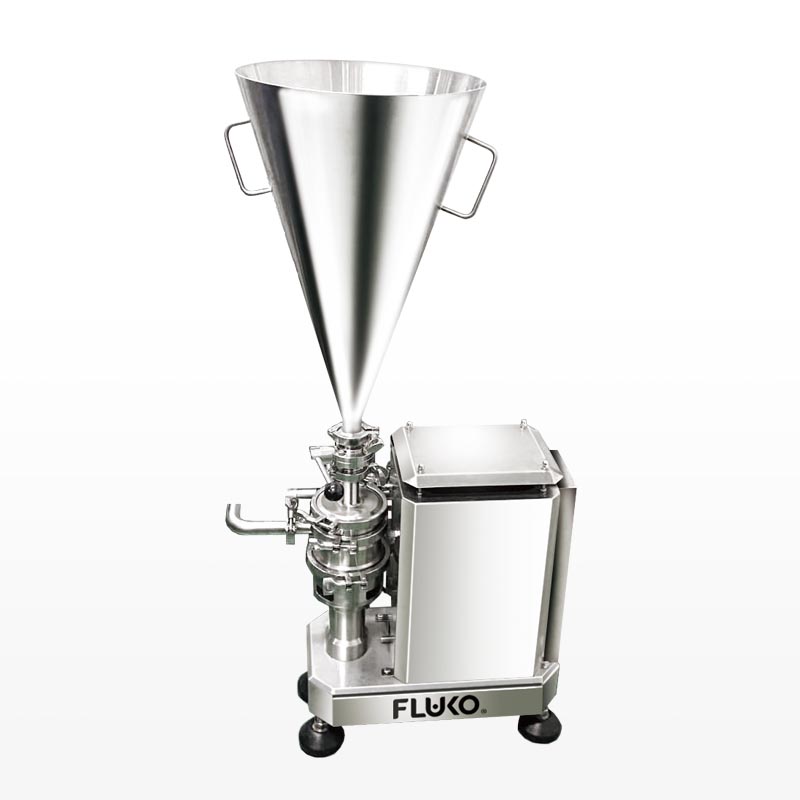
Static mixers: low maintenance and no moving parts — best for continuous inline blending of low-viscosity streams. High-shear rotor-stator units: create emulsions and fine dispersions quickly but demand seals and frequent wear checks. Top-entry agitators: versatile for large tanks, but performance depends on impeller geometry and mounting stiffness. Jet systems concentrate momentum with minimal shaft penetrations — effective when you need rapid recirculation with fewer mechanical seals. Match the technology to the physics you need; a supplier’s strength is proven when they can show side-by-side data for alternatives applied to your case.
Common mistakes teams make when comparing suppliers
They equate raw horsepower with mixing quality. They accept generic test reports that don’t mirror their fluid properties. They ignore maintenance access — cramped internals multiply service downtime. They forget instrumentation that enables troubleshooting, so faults become mysteries. They under-budget for spare seals and custom connectors. Ask for installation photos or videos from similar projects to avoid surprises and insist on a written assumptions list behind any quoted performance figures.
Experience and a real-world anchor that proves relevance
Field experience matters: vendors that supply detailed FAT reports and field service histories demonstrate competence. Consider how common the application is in major processing centers — for example, many Gulf Coast petrochemical and refining operations around Houston rely on jet-based tank mixing for polymer and solvent blends. That regional prevalence has spawned technical papers and vendor case studies highlighting nozzle sizing and pump-matching best practices; you can compare those practices against supplier proposals. For a concrete product reference used in those contexts, look at an in tank jet mixer specification and confirm the performance claims with on-site data or FAT records.
How to vet proposals — a checklist that forces apples-to-apples comparison
Require: modeled mixing times for your recipes, complete mechanical drawings, motor and drive specs, instrumentation list, spare-parts kit and pricing, FAT protocol, and service-level options. Score each proposal on measurable criteria: validated mixing time at target viscosity, expected MTBF for wear parts, adherence to required codes, and clarity of warranty terms. Low-scoring proposals often hide assumptions; clarify them before awarding purchase orders.
Final synthesis
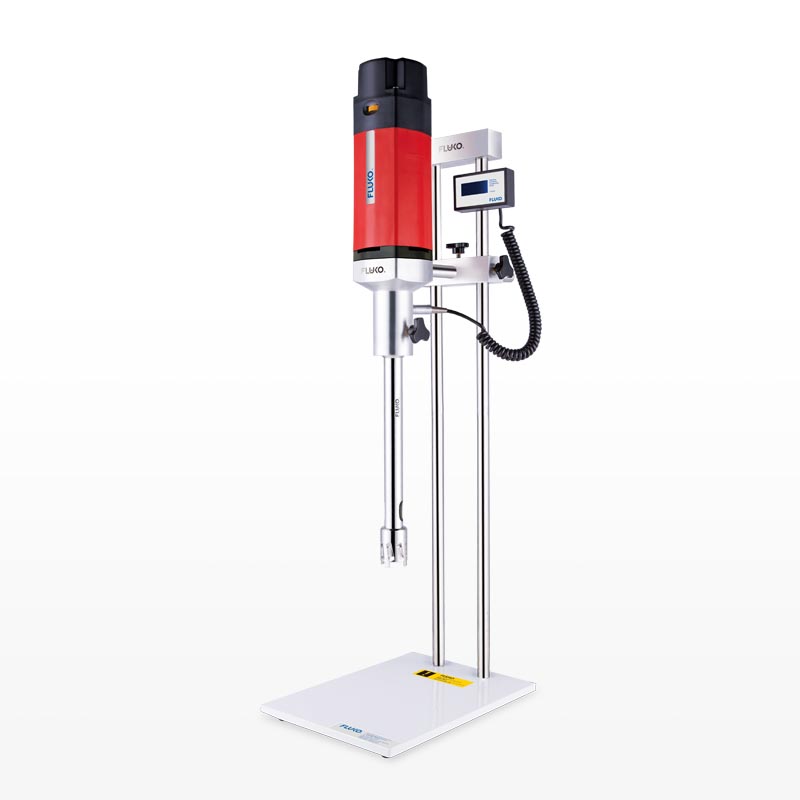
Compare suppliers by how precisely they match engineering evidence to your process goals, how transparently they document assumptions, and how practical their service model is for your site. Practical comparisons reveal whether a supplier solves the physics of mixing or simply sells equipment. For documented installations and technical dossiers that show how choices translate into repeatable results, you’ll find proven references from manufacturers such as FLUKO woven into the industry’s case literature, which makes it easier to judge claims against measurable outcomes.