
Comparative frame: why side-by-side thinking helps
When comparing home ventilation options, it’s easiest to learn from contrasts rather than checklists. A compact CPAP approach can teach clarity about mask fit and noise; for that reason I often point readers toward practical gear like a cpap device to understand everyday usability. This Comparative Insight approach puts device behavior next to patient needs, so you judge performance, not just specs. WHO notes that chronic respiratory illnesses remain a top global health burden — that real-world pressure grounds the decisions here.
Core features that change daily outcomes
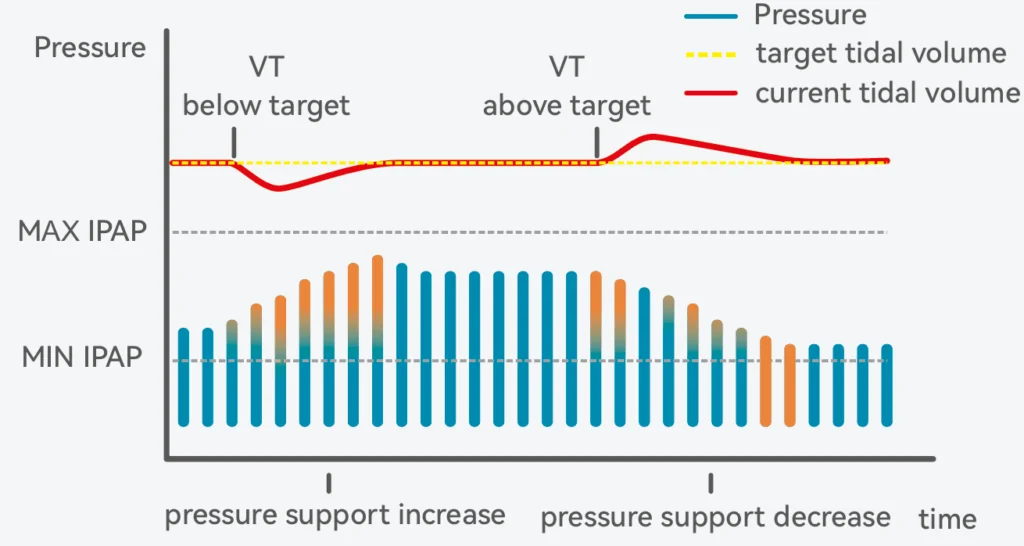
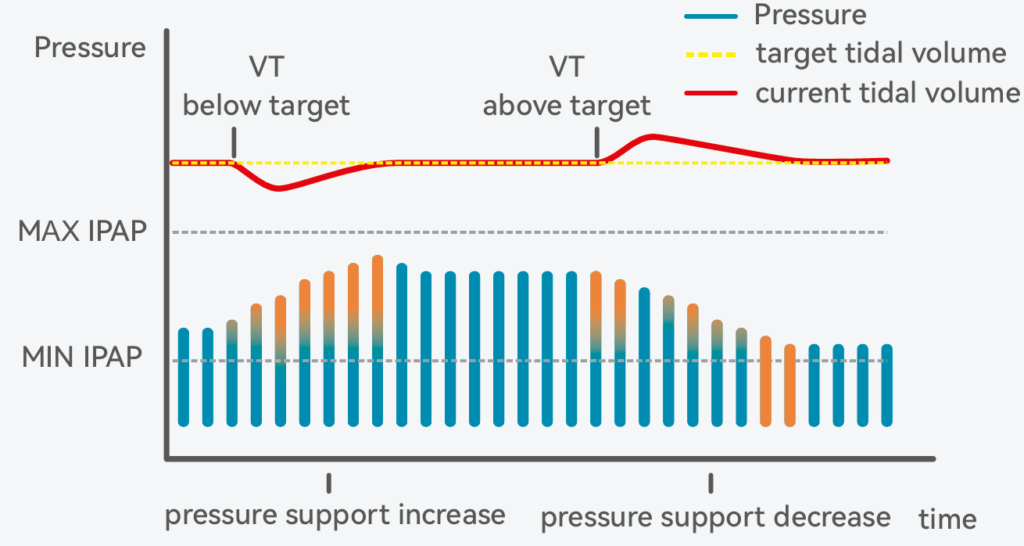
Start with how the machine controls pressure. Look for clear IPAP/EPAP adjustment and reliable leak compensation; these directly affect comfort and effective tidal volume. Stable trigger sensitivity and a predictable ramp feature let therapy start gently and stay synchronized with breathing. Those terms sound technical, but they translate to two things: fewer awakenings and more therapeutic hours each night.
Comparing interfaces, masks, and data feeds
User experience often outweighs a few extra milliliters of tidal volume on paper. A friendly interface and straightforward reports reduce setup errors and clinician calls. Choose devices that log event summaries rather than dense raw traces — clinicians want actionable flags, not unreadable dumps. Some models push data to apps; others keep it local. Consider whether your care team prefers remote monitoring or hands-on checks, and match the machine accordingly.
Durability, service, and real-world performance
A machine that fails on night 90 costs more than one that lasts five years. Examine warranty terms and local service access — shipment delays matter when a patient can’t tolerate therapy. Also weigh battery options: a reliable internal battery or simple external compatibility often determines whether therapy continues through travel or brief power loss. These practical details matter more than extra bells.
Trade-offs and alternatives — honest comparisons
Not every patient needs full BiPAP complexity. For milder obstructive sleep apnea, advanced CPAP units or hybrid devices can work well. For neuromuscular weakness, a true bipap device with predictable pressure support and tidal volume monitoring is usually required. Be wary of over-specifying features that add cost without clear benefit — clinicians often prefer fewer failure modes and easier troubleshooting.
Common mistakes to avoid — learned from practice
Clinicians and families often pick devices by brand prestige or headline specs alone. That leads to mismatches: too-strong support causing discomfort, or too-sparse data hiding deteriorating trends. Match trigger sensitivity to the patient’s effort profile; set leak compensation rather than ignoring mask seal issues. — These small calibrations prevent big setbacks.
How to evaluate devices in your clinic or home
Use short, repeatable checks: bedside pressure confirmation, a one-week adherence snapshot, and a simple leak log. Measure tangible outputs: delivered pressure consistency, nightly usage hours, and event flags per week. Those three metrics show whether a device meets real needs or just looks promising on paper.
Advisory close: three golden evaluation rules
1) Prioritize synchronization: verify IPAP/EPAP stability and trigger sensitivity under real breathing loads. 2) Prioritize continuity: confirm local service, battery options, and a clear warranty. 3) Prioritize actionable data: insist on summarized reports that clinicians will actually use.
These are practical, testable rules that keep patients comfortable and clinicians effective. Byond. —