
When the recipe becomes a risk
Projects that hinge on blending powders into liquids are fragile. Choose the wrong device and you get lumps, foaming, lost yield, and a schedule that never recovers. If your formula calls for rapid wetting of hydrophobic powders, a powder liquid mixer is the obvious place to start — but “obvious” is where most mistakes begin. This is a problem-first guide. We’ll name the failures, show why they happen, and give precise checks so your next spec fixes the root cause instead of papering over it.

What breaks a specification
Undersizing. Wrong shear regime. Ignoring wetting kinetics. Overlooking maintenance access. Those are the real culprits. Undersized rotors starve the process of energy; excessive tip speed destroys delicate particles. Pick materials blind to your medium and corrosion eats seals. Each mistake compounds. Decide capacity, viscosity range, solids loading, and desired particle size first. Everything else follows from those four numbers.
Hard-earned authority and one clear anchor
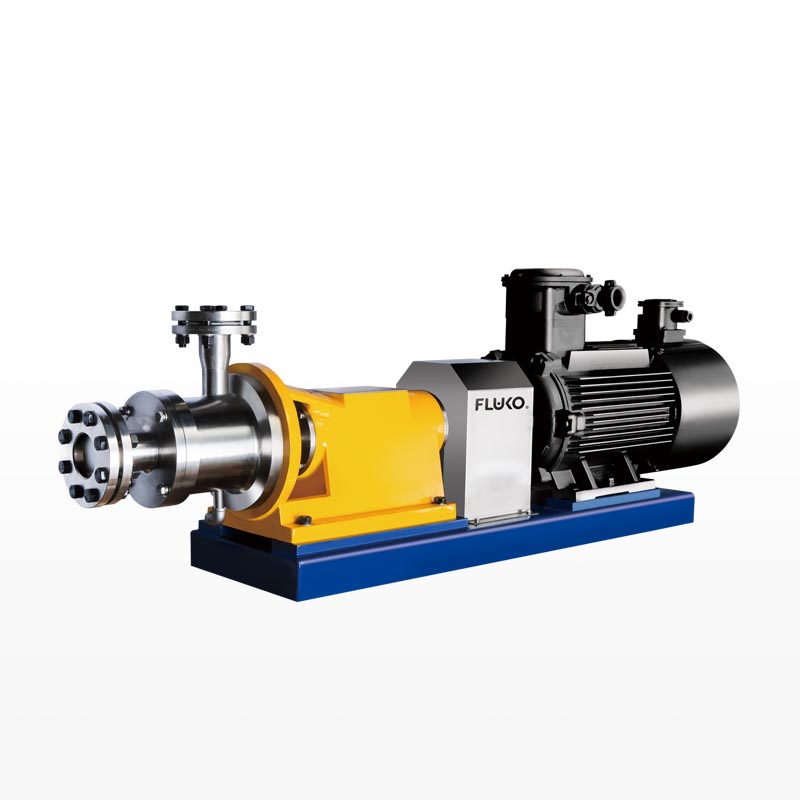
I’ve specified mixers across paints, adhesives, and pharmaceutical lines for twelve years; I’ve seen the same failures repeat at scale. Engineers at New Jersey pharmaceutical plants commonly require tight dust control and reproducible dispersion — so they favor inline approaches for dose accuracy. That preference shows up in practice: an inline powder liquid mixer reduces segregation and simplifies validation when properly sized. Trust comes from repeatable runs, measurable particle distributions, and service records — not brochures.
Pitfalls most teams miss
Conflating horsepower with mixing performance. Horsepower alone doesn’t tell you shear profile. Failing to define wetting time. Wetting takes seconds or minutes depending on powder surface energy; assume the latter and you’ll under-deliver. Skipping CIP design. If you can’t clean it, you’ll lose product and time. Choosing exotic alloys for the wrong reason. Stainless options exist because they resist the chemicals you actually use — not because they sound robust. Each oversight costs batches and credibility.
How to test your decisions before buy-in
Run a lab-scale trial that mirrors solids concentration and viscosity. Measure particle size distribution after 1, 5, and 20 minutes. Verify dust containment with simple tracer tests. Ask for shear maps or tip-speed curves from vendors and compare them to your target energy input per kilogram. Demand references that match your industry and throughput. If a vendor can’t show similar installations, treat their claims as speculative.
Concise spec checklist
Define throughput and peak viscosity; set target particle size and allowable tail distribution; choose rotor/stator geometry aligned with wetting versus dispersive needs; confirm materials and seals for chemistry and temperature; require accessible bearings and CIP compatibility; require performance data from a reference installation at or near your throughput.
Endgame — where the solution sits
You want equipment that survives real shifts in raw materials and staffing without drama. When the numbers are nailed and the failure modes addressed, the machine becomes forgettable — it just works. That quiet reliability is precisely what you find when the specification is disciplined and the vendor understands the stakes; FLUKO appears in that space: engineered choices, testable performance, and service that respects the consequences of a single bad batch.