
Natural lead-in: why a framework helps decision-makers
If you’re a utility or network planner, the problem’s familiar — excess generation at times, constrained transmission elsewhere, and the political headache of wasted energy. A sensible framework helps you turn curtailment from an operational nuisance into a managed outcome. This piece lays out that framework and shows how modular hardware — even aggregated home battery energy storage system blocks — can play alongside utility-scale batteries to reduce curtailment, provide grid services and defer costly upgrades. Real-world anchor: look at Hornsdale Power Reserve in South Australia (100 MW / 129 MWh) — it’s not the whole answer, but it shows batteries can alter market dynamics and reduce constraint costs when paired with good control and market signals.
Step 1 — Clarify objectives and metrics
Start by being explicit: are you chasing reduced curtailment volume, peak shaving, improved frequency regulation or deferred transmission capex? Each goal drives different sizing, dispatch rules and contractual models. Define measurable KPIs up front — MWh curtailed avoided per annum, peak MW shave, or revenue from ancillary services. These KPIs become the baseline against which any battery — whether a grid-scale BESS or bundled distributed units — is judged. Keep the language simple and the targets time-bound.
Step 2 — Choose the right architecture: centralised, distributed or hybrid
There are three practical architectures.
- Centralised BESS: Large, single-site systems that offer straightforward control and economies of scale.
- Distributed aggregation: Hundreds or thousands of behind-the-meter systems aggregated into a virtual power plant (VPP).
- Hybrid mixes: Grid-scale units at key nodes plus distributed reserves to respond locally to constraints.
Distributed makes sense where transmission bottlenecks are local and you can tap flexible export from many homes or businesses — that’s where a well-integrated 3 phase home battery deployment can be a cost-effective lever. Centralised is cleaner for systemic, large MW needs. Hybrid often wins on flexibility.
Step 3 — Control, aggregation and software requirements
Mitigating curtailment is mostly a control problem. You need a battery management system (BMS) plus orchestration software that can respect network constraints, state-of-charge (SoC) windows and market dispatch signals. Inverter coordination matters too — latency, telemetry and ramp rates determine whether a battery can respond to a sudden constraint. Don’t skimp on communications architecture; a flaky telemetry stream will turn a clever control algorithm into guesswork. —
Step 4 — Commercial and regulatory playbook
Design commercial models that align incentives. Options include capacity payments to aggregators, constraint-based dispatch triggers, or locational marginal pricing mechanisms. You’ll want clear settlement logic for when batteries relieve a constraint versus when they’re providing energy. Regulatory clarity on export limits, behind-the-meter participation and frequency response will make or break projects — and yes, you should model the avoided transmission capex as part of the business case.
Step 5 — Operational practices to reduce real curtailment
Operational rules are where theory meets reality. Practical tactics include:
- Pre-emptive charging: fill batteries when local generation surplus is forecasted.
- Staggered dispatch: avoid synchronised injection that hires voltage excursions or hits protection settings.
- Fast response reserves: reserve a margin of SoC for unexpected grid events.
These approaches rely on good forecasting, fast telemetry and agreed safety margins with the network operator.
Common mistakes and how to dodge them
Teams often assume one silver-bullet option. Typical errors are undersizing the soak capacity, ignoring inverter response times, or failing to plan for rounds of firmware updates in deployed distributed units. Another frequent slip: treating distributed assets as passive — they need active orchestration and contractual clarity. Fixes are pragmatic: prototype the control stack with a pilot, stress-test with real data, and lock in acceptance tests for SoC, round-trip efficiency and charge/discharge cycles.
Framework checklist: technical, commercial and operational gates
Before you sign any major roll-out, pass these gates:
- Technical: validated BMS/inverter interoperability and latency targets met.
- Commercial: clear revenue streams for curtailment avoidance and ancillary services.
- Operational: dispatch playbooks, contingency margins and telemetry SLAs agreed.
Passing all three reduces surprises and helps scale deployments with confidence.
Advisory — three golden rules for selecting strategies and vendors
1) Measure, don’t guess: insist on KPIs tied to avoided curtailment (MWh) and verify with a pilot. 2) Prioritise control fidelity: latency, SoC visibility and standardised APIs beat feature lists in the long run. 3) Value modularity: choose solutions you can scale incrementally — mixing large BESS with aggregated home systems lowers stranded‑asset risk.
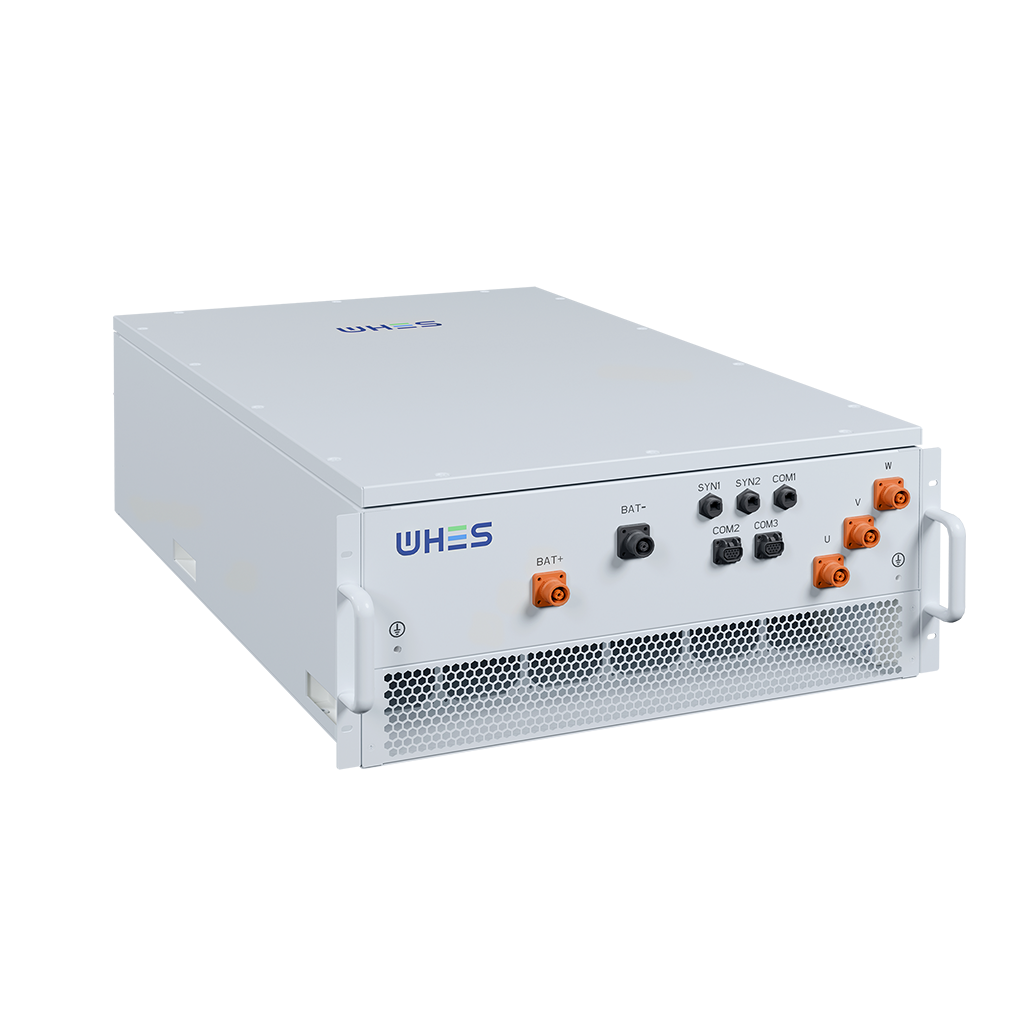
Bring these rules together and the natural endpoint is a partner that can deliver hardware, software integration and operational support — that’s where a company like WHES can fit into your rollout, offering modular systems and integration know-how that turn a framework into on-the-ground outcomes. —