
Defining the Decision: From Glow to Value
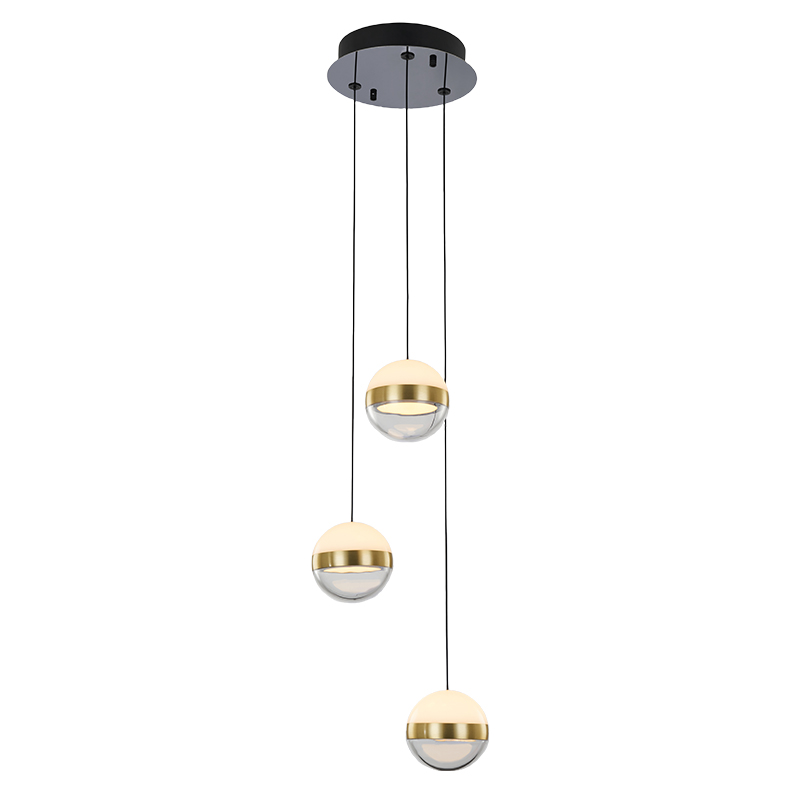
Light is a system, not a shade. A decorative light supplier sees this truth every week on site. In a quiet hotel lobby at dusk, a gleaming pendant throws glare across the marble, and guests squint. When teams choose decorative pendant lighting , they do not pick only a form; they pick optics, driver logic, and control paths. Post‑occupancy reports show a pattern: 61% of complaints point to glare, 27% to color shift, and 12% to flicker (small numbers, big pain). Yet the tender sheet often asks only for finish, wattage, and delivery date—funny how that works, right?
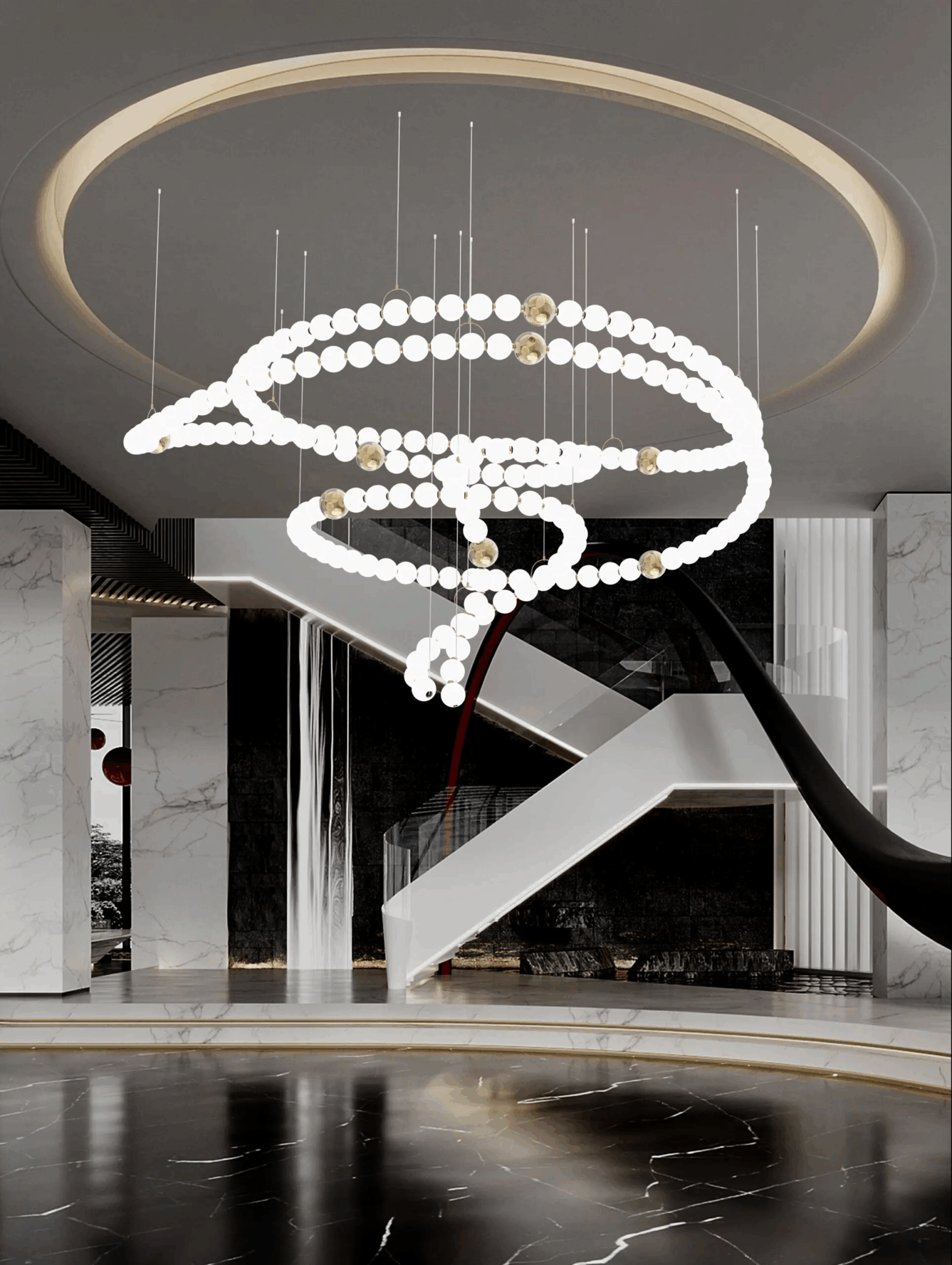
Let us break the core elements, briefly. Optics set beam and cut-off. Drivers and power converters set flicker risk and dimming floor. Dimming protocols guide scene stability across zones. Thermal management protects lumen output and color stability. If these layers do not align, a pendant can look fine in a photo, but fail in a room. The question is simple: how do we compare choices so they meet human needs, not just spec lines? This is where a structured view helps (and saves budget). We will move from symptoms to causes, and then to choices that measure up. Now, let us step closer to the problem behind the pretty glass.
Hidden Friction: Why “Good-Looking” Pendants Still Miss the Mark
Why do pendants disappoint after install?
Here is the claim: most disappointment comes from things users never see on a cut sheet. Look, it’s simpler than you think. The first hidden pain is control mismatch. A pendant that dims well alone may stutter in a mixed zone. Different dimming protocols fight each other; scenes drift; the mood breaks. The second pain is glare from shallow optics. It looks bright at 100%, but at 20% the source still bites. The third is color drift. Low-cost drivers can push LEDs off target after a few months. People do not say “CRI uniformity” in feedback. They say “the room feels tired.”
There is more. Thermal management inside small housings is hard. Hot drivers lower driver efficiency and raise flicker risk. Maintenance teams then raise the output to “fix” it—making glare worse. Edge computing nodes for sensors are added last because the ceiling is already closed—funny how that works, right? In the end, the pendant is blamed, but the system failed. A better brief looks beyond style. It sets rules for glare index, flicker, and color stability. It checks how fixtures talk to each other. And it confirms service access before the lift is off site. Quiet, simple, repeatable.
Comparative Moves: Principles That Make the Next Pendant Smarter
What’s Next
We now look forward, with a technical lens. New drivers with deep-ripple suppression cut flicker below visible bands. Solid-state power converters keep stable current across wide dim ranges. Optics with micro-baffles and soft cut-off tame high-angle glare. BLE or Zigbee mesh links zones without heavy wiring changes, and edge computing nodes learn real usage over time. When bespoke lighting manufacturers adopt these principles, the effect is calm scenes at any level, stable color, and easy service paths. Materials matter too: high-conductivity cores improve thermal management, and better heat sinks guard lumen output. Result: fewer callbacks, truer mood, longer life.
So, how to choose in practice? Compare fixtures not by style first, but by measurable stability. Ask for low flicker at the dimming floor, verified across the installed control stack. Ask for glare control proven by geometry, not only lens frosting. Ask for color targets held over time, not just on day one. Advisory close, three metrics to keep: 1) flicker percentage at 1–10% dim, under your actual dimming protocols; 2) unified glare index in real mounting height and cone; 3) maintained color shift (Δu’v’) and lumen output after 6,000 hours. Keep these three, and many “mystery issues” never appear—funny how that works, right? Knowledge shared, not sold, from kinglong.