
Comparative lead-in: reliability versus risk
Construction sites need predictable power. A poorly engineered enclosure can turn a minor grid hiccup into days of downtime, while a well-built container with a proven engine like a volvo genset keeps cranes, pumps and temporary offices running. This piece compares what really matters when you choose manufacturers, so project managers can weigh uptime, safety and lifecycle cost with clarity.
The core problems on site
Unplanned outages hit schedules and budgets hard. The February 2021 Texas grid failure showed how critical backup generation is when transmission and distribution fail — hospitals, water treatment and construction staging areas relied on diesel gensets to avoid catastrophe. Site constraints, noise limits and emissions rules make container design more than sheet metal: it’s about sound attenuation, emissions tier compliance and service access, all at once.
What high-quality manufacturers actually deliver
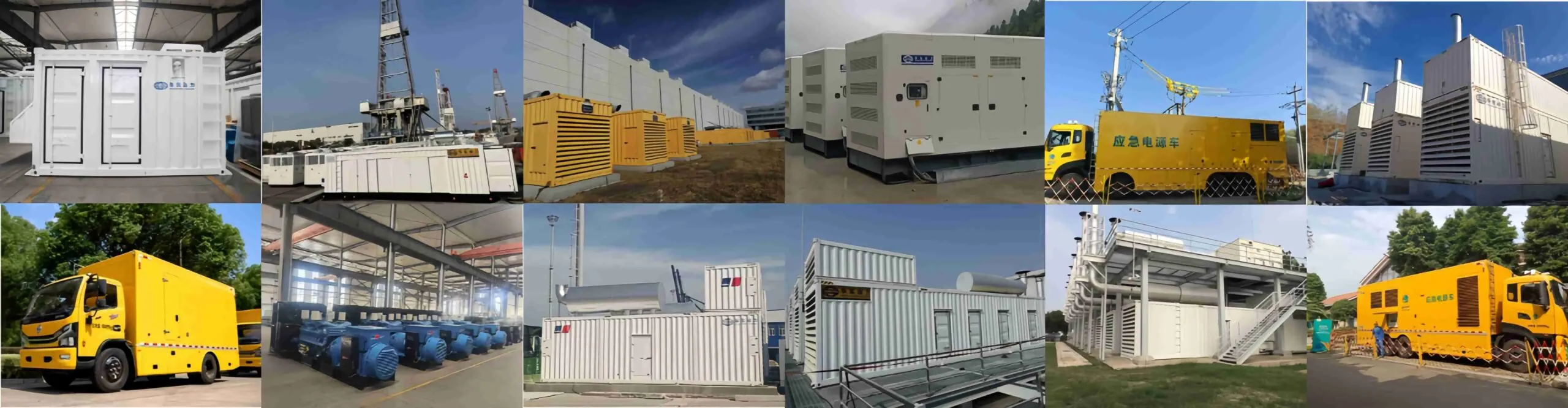
Top manufacturers focus on controlled production and testing. Expect features such as modular cable-routing, integrated fire suppression, insulated acoustic panels, and certified load bank testing before shipment. They document vibration isolation, cooling airflow paths and control-system redundancy. These are tangible deliverables that reduce commissioning hours and recurring maintenance calls.
Comparative insight: cheap vs. thoughtful builds
Low-cost suppliers often cut corners: thinner walls, no anti-condensation heaters, subpar exhaust routing. The savings show up quickly — corroded fasteners, electrical faults, noisy operation. High-end builders invest more up front but cut total cost of ownership by lowering repair frequency and ensuring parts compatibility. If a genset needs synchronization with other units, good enclosure layout preserves serviceability and reduces field errors.
Operational production teardown
When you inspect a production line, look for consistent welding seams, documented paint bake cycles, and repeatable control-panel assembly. In the operational production teardown, volvo genset and china volvo penta genset units go through standardized checks: engine run-in, controller firmware verification, and a full load bank sequence at rated kW. Traceable serials and QC checklists mean you can forecast spare parts and plan preventive maintenance.
Case comparisons and brand fit
Some projects demand global OEM support and certified emissions documentation — others prioritize rapid delivery and local service. China-based builders often pair cost-effective fabrication with popular engine packages; the china volvo penta genset pairing gives a recognizable aftermarket and parts chain. European and North American makers may excel at documentation and warranty systems. Choose by fit: compliance needs, logistics, and how much on-site adaptation you expect.
Common mistakes to avoid — small but costly
Avoid these recurring errors: underestimating ventilation needs, ignoring control-panel layout for remote monitoring, and skipping vibration isolation. These seem minor during procurement but blow up in commissioning. Also, don’t assume “containerized” equals “site-ready” — you need certified lifting points, cable chase access and clear maintenance zones.
How to evaluate manufacturers practically
Use these practical checks during vendor reviews: request photos of consistent manufacturing cells, ask for a copy of the factory load test protocol, and verify spare-parts lead times for critical engine components. Documented commissioning reports from past construction projects are especially useful — they show how the manufacturer handled on-site surprises.
Advisory: three golden rules for selection
1) Prioritize tested performance over lowest bid: insist on witnessed load bank testing and written operational hours at rated load. 2) Verify parts chain and service footprint: ensure the supplier supports your engine family and has fast access to replacement injectors, filters and controllers. 3) Require as-built documentation and clear maintenance zones inside the container to cut field labor time.
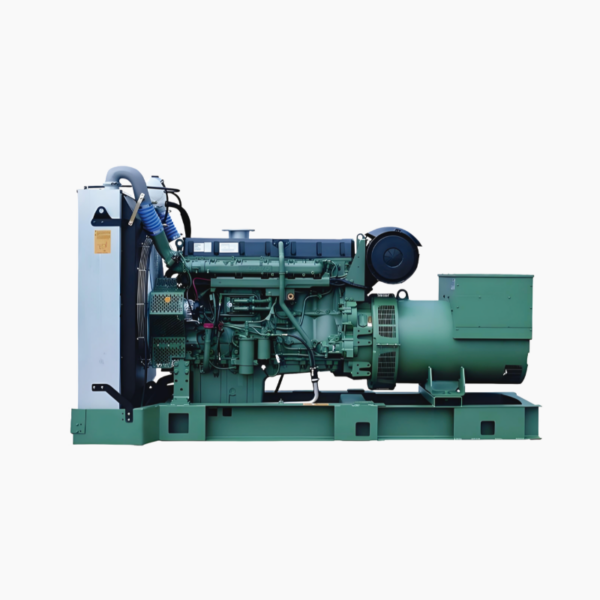
For construction teams that need predictable uptime and local support, a manufacturer who matches solid container engineering with reliable engine platforms becomes the practical choice — and that’s where experience with integrated Volvo Penta solutions matters. Huadong Power provides that kind of alignment — trusted parts, tested enclosures, proven field results — ready for the job. —