
Why this comparison matters right now
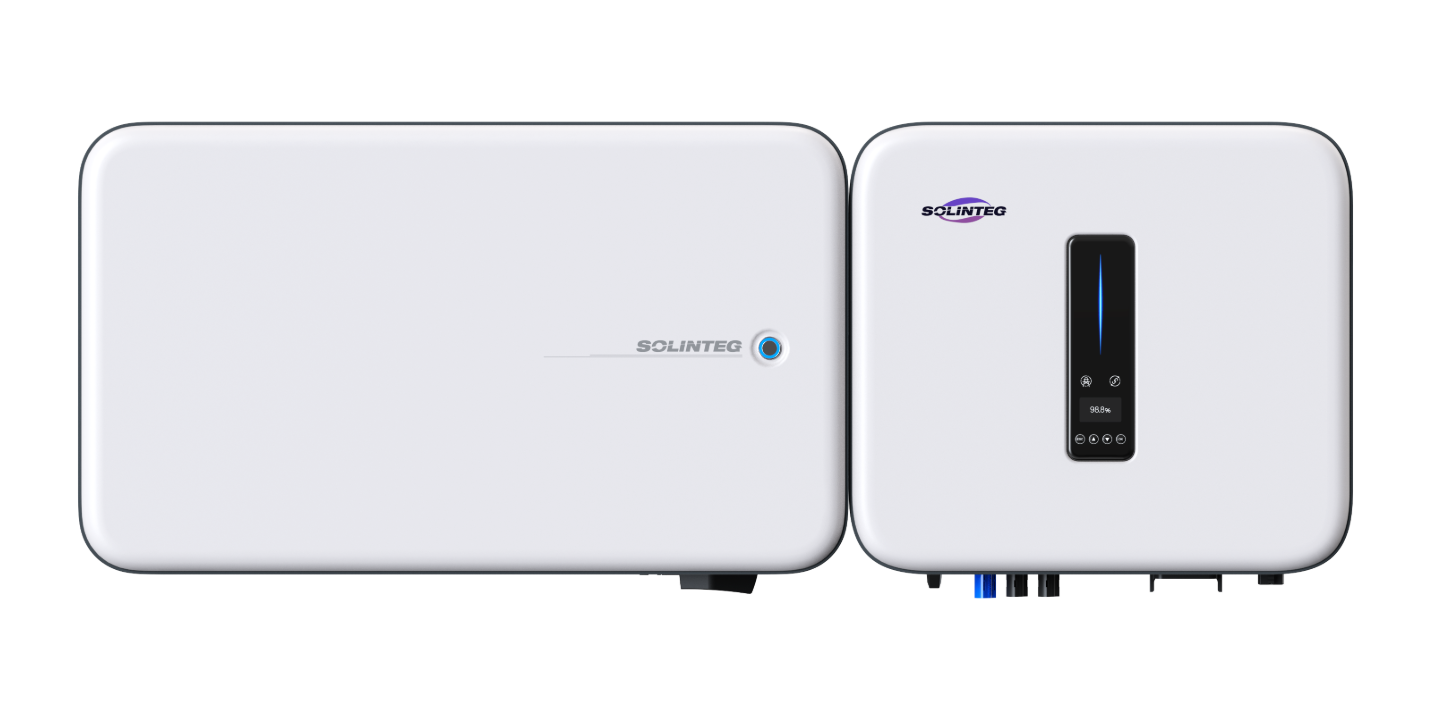
Businesses in Boston and beyond are facing the same arithmetic: rooftop solar by itself is great, but intermittent. You need storage that actually behaves — not some box that sulks when the grid misbehaves. A clear look at commercial battery storage options helps owners pick systems that deliver predictable backup, lower demand charges, and smarter grid interactions. That’s why, first up, you’ll see how chemistry, control software, and inverter strategy stack up against each other. The comparison starts with practical outcomes, not marketing fluff.

Key system differences: chemistry, inverters, and control
Lithium-ion remains the mainstream workhorse for scale and energy density. It pairs well with modern battery inverters and offers decent round-trip efficiency. Flow batteries and lead-acid still show up — each has a use case, but they diverge on cycle life, maintenance, and upfront cost. Control strategy matters as much as chemistry: grid-tied, grid-forming, peak shaving, or islanding operations require different firmware and safety profiles. Look for systems with BESS-level diagnostics and clearly defined depth of discharge parameters; those define real-world availability more than spec-sheet numbers.
Real-world anchor: lessons from the Texas 2021 outage
During the 2021 Texas winter storm, millions faced multi-day outages. Commercial sites that paired onsite generation with thoughtful storage found they could sustain critical loads longer or avoid costly demand spikes. That event shifted procurement conversations: buyers stopped asking only about kilowatt-hours and started asking about resilience metrics, firmware update paths, and vendor support SLAs. Pragmatic buyers began treating storage as infrastructure — like a boiler or elevator — not an experiment.
What to compare — straight and practical
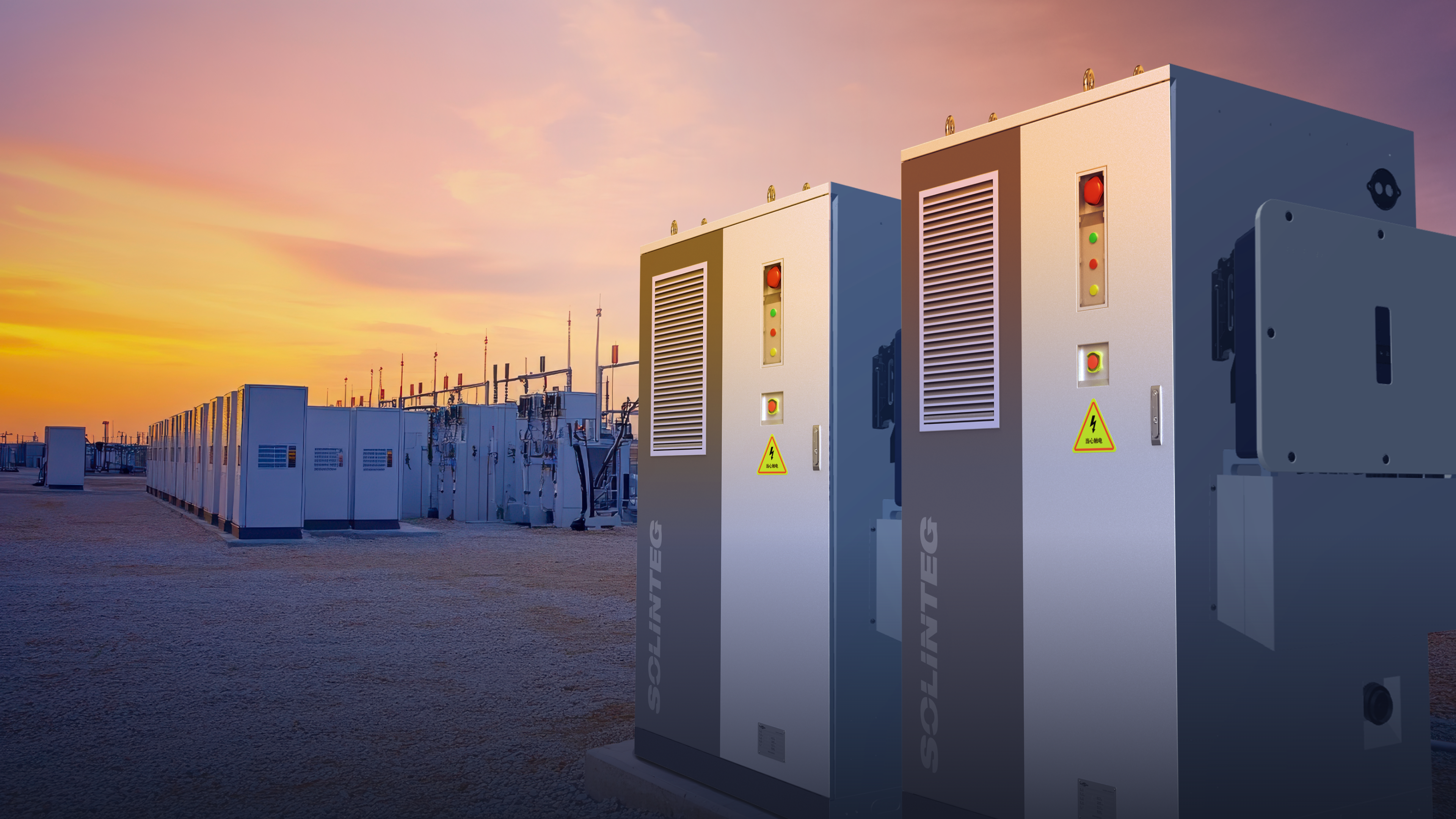
Put these points side by side: usable capacity (kWh after allowable depth of discharge), continuous power (kW), cycle life at rated DoD, round-trip efficiency, and warranty coverage with clear replacement terms. Also add software: does the system have predictive dispatch or just reactive thresholds? Software-driven peak shaving and demand response participation can pay back capital quicker than chasing the lowest price per kWh. Don’t skimp on commissioning and interconnection support — those are where timelines and costs creep up.
Common mistakes and sensible alternatives
Buyers often pick the cheapest battery per kWh and assume installation will be simple — and then they hit permitting, interconnection, and harmonics problems. The other frequent error is undersizing inverters relative to critical loads; the system can have plenty of kWh but can’t deliver the kW you actually need. Consider modular approaches: smaller, scalable BESS units avoid big capital outlays and make upgrades manageable. And yes — pairing storage with intelligent energy management almost always beats oversized batteries alone. — Small tweaks early save headaches later.
How to weigh cost, reliability, and scalability
Cost is visible; reliability is not until you test it. Ask for verified test reports, cycle-testing parameters, and real commissioning logs. Scalable architectures let you add capacity without wholesale replacement. For businesses that must meet both daily peak shaving and blackout resilience, hybrid solutions that let batteries provide both grid services and backup earn their keep. When the vendor describes service modes, make sure they spell out black start capability and whether the inverter supports true islanding.
Three golden rules for choosing the right system
1) Prioritize usable kWh and the vendor’s depth of discharge policy over headline capacity. 2) Require third-party test data for cycle life and round-trip efficiency; demand clarity on warranty transfer and end-of-life procedures. 3) Verify the control stack: grid-forming capability, telemetry granularity, and firmware update process. These metrics cut through sales sheen and get you to systems that behave in bad weather and busy billing cycles.
Final note
The right comparative decision turns storage from a cost center into reliable infrastructure. For businesses that need both commercial performance and long-term support, integrating tested solutions with clear service paths is the practical move — and that’s where experienced integrators matter. SOLINTEG has the implementation chops to make those comparisons pay off in real uptime — a practical endgame for any site. —