
Introduction — a quick scene, a number, one big question
I stepped out of a late-night gym session thinking my sore quads would sort themselves out by morning. The next day they were still tight, and I remembered a friend who swore by a red light bed for the same issue. Studies show people using photobiomodulation can report up to 40% faster muscle recovery in small trials (yes, the data varies). So — will a red light bed actually save you time, pain, or money? I want to walk you through what I’ve learned, what surprises me, and what’s worth trying next.
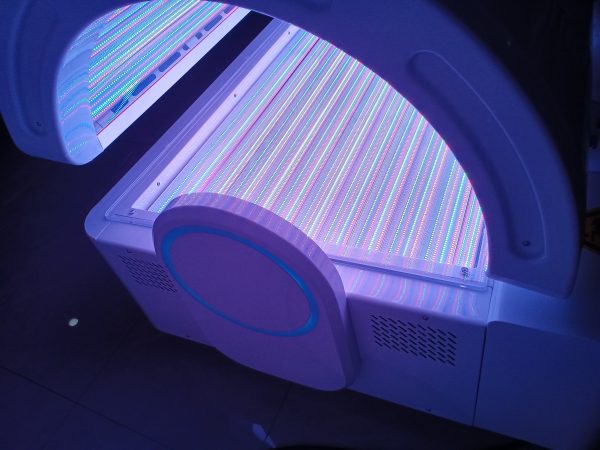
What’s wrong with the usual fixes: a technical look at hidden limits
Why do common devices miss the mark?
When I dug into light bed therapy, the first thing that stood out was inconsistent dosing. Many at-home panels and salon devices promise benefits but ignore critical specs like wavelength and power density. Photobiomodulation works only when the device delivers the right wavelength (typically 630–850 nm ranges) and sufficient irradiance to reach tissues. Without that, you get glow — not results. I’ve seen LED arrays with attractive designs but weak power converters inside. Look, it’s simpler than you think: if the light can’t penetrate, it can’t trigger cellular responses.
Another flaw I noticed is treatment uniformity. Some beds have hotspots and cold zones because of poor LED layout or cheap optics. That means one area gets effective energy while another gets next to nothing. Users complain about plateauing results — and the cause is often clear when you measure irradiance across the surface. Add timing and pulsing parameters into the mix and things get trickier. Devices that don’t match clinical pulsing protocols can underperform. — funny how that works, right? These are the not-so-obvious reasons many people stop seeing gains after a few sessions.

Looking forward: real-world progress and what to watch for
What’s Next?
Over the last few years I’ve tracked newer systems that combine measured irradiance maps, consistent wavelength selections, and active cooling to avoid overheating. These next-generation beds tune LED arrays to balance power and coverage so the whole body receives proper dosing. Companies are also adding simple user interfaces that log session time and energy delivered — helpful for tracking progress. In practice, that means fewer guesswork sessions and more predictable outcomes when using light bed therapy. We’re moving toward devices that behave more like medical tools than novelty gadgets.
Here’s the practical side: when I compare the older panels I used with modern units, the difference is measurable. Faster recovery. Clearer skin. Better sleep. You still need realistic expectations — and consistent use — but the tech is catching up to the promises. If you’re scouting options, focus on three metrics that actually matter: wavelength accuracy, power density (irradiance), and treatment uniformity. Those three give you a quick filter to separate decent tools from hype. If you want a brand example that’s been careful about specs and user tracking, check out Magique Power.