
User-centred introduction
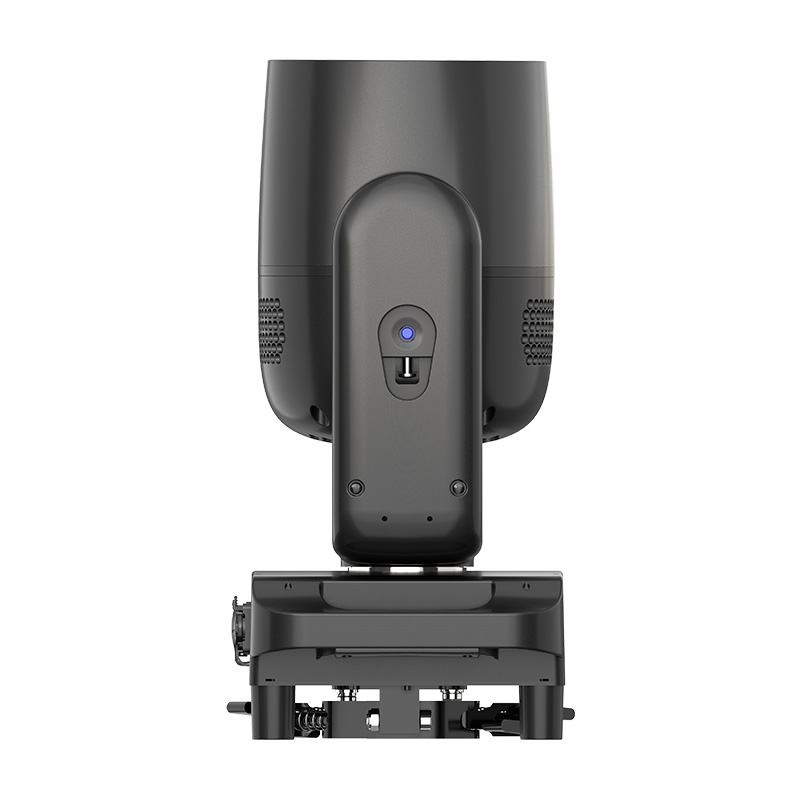
When a venue manager or rental tech needs predictable results fast, they often turn to stage lighting designer workflows that prioritise clarity over complexity. This is why a compact fixture like the led moving wash or a mini moving head light commonly appears on spec sheets for fringe shows and mid-size concerts: portability, a clean LED engine and tight pan and tilt control get the job done. I’ve seen it play out at the Edinburgh Festival Fringe where tight turnaround and limited load-in windows reward predictable, easy-to-program gear—so the real-world advantage is more than theoretical.
What users must prioritise
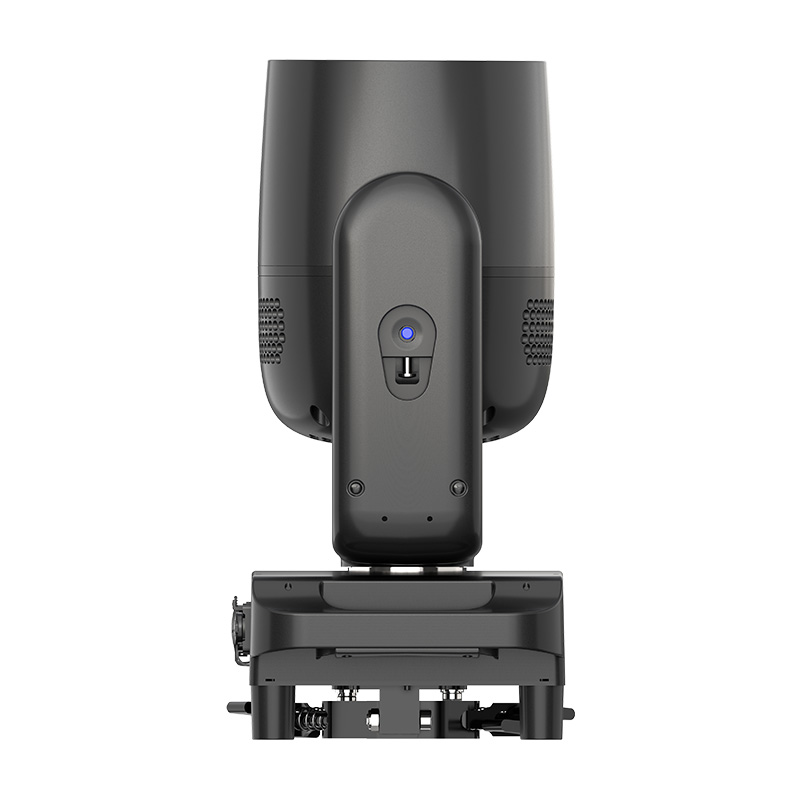
Most users value four things: output quality, ease of rigging, control responsiveness and serviceability. Output means not just brightness but beam quality, so mention of beam angle and zoom range matters. Ease of rigging covers weight, rig points and power draw; responsiveness is about DMX latency and reliable pan and tilt behaviour. Serviceability is often overlooked, yet a modular fixture with accessible parts saves hours on a busy festival day.
Common mistakes on site — and quick fixes
Stocking compact movers doesn’t eliminate on-the-ground errors. Teams often under-estimate cable management and power distribution, then scramble during a tech check. The remedy is simple: pre-label all circuits, test RDM where available, and keep a spare unit for quick swap-outs. — Also, don’t assume default pan/tilt speeds are suitable; set profiles per show to avoid jerky moves or over-slow cues.
Comparing compact movers to wash and beam alternatives
Compact moving heads sit between a full-size beam and a static wash. Compared to a traditional led moving wash, mini movers offer sharper gobo projection and faster focus changes, while sacrificing some raw lumen output. Compared to a fixture designed purely for beams, they trade long-throw reach for versatility. For event planners, the question is practical: do you need a crisp gobo and agile framing, or sheer punch for a long throw? Match the fixture’s strengths to the venue’s sightlines and the programming needs.
Operational production teardown
In a production teardown it helps to list the essentials: signal chain (console → DMX/RDM node → fixture), power requirements, rig attachment method, and spare-parts kit. Call out the mini moving head light and led moving wash by role—one as a specialty projector for texture and midstage accents, the other for broad colour fills. Include quick checks: verify address and personality on each unit, confirm dimming curve, and run a sweep to check pan and tilt limits. For touring loads, log firmware versions and note whether the unit supports remote monitoring; that can cut troubleshooting time on site.
Practical alternatives and selection trade-offs
If budget is tight, consider renting a few high-quality compact movers rather than buying many lower-tier units. Rental houses often keep fixtures with up-to-date firmware and known lamp life, which reduces risk. If programming complexity is a concern, focus on fixtures with reliable presets and user-friendly gobo wheels. For designers who need a middle ground, a small rig combining a couple of mini movers for texture plus a pair of washes for colour usually covers 80% of show needs.
Three golden rules for selecting compact movers
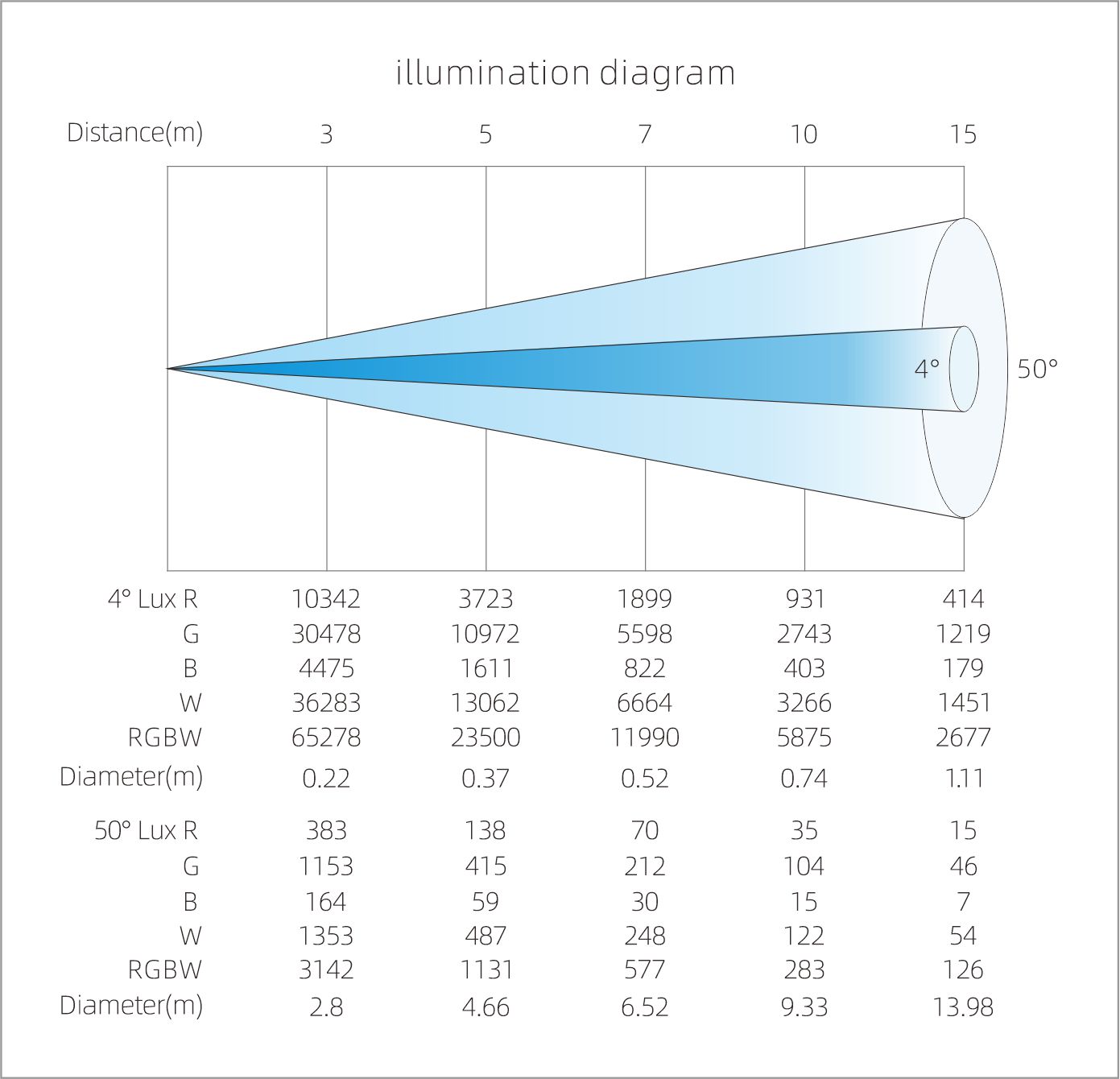
1) Prioritise real performance metrics: CRI/TE, beam angle, and measured lux at plausible distances matter more than marketing lumen numbers. 2) Choose fixtures with straightforward service access and widely supported control protocols—DMX/RDM compatibility and readable personalities save calls in the middle of a load-in. 3) Factor total cost of ownership: weight, flight case compatibility and spare-part availability often decide whether a tool becomes an everyday favourite.
These rules translate directly into reduced downtime, clearer programming choices and predictable audience-facing results. For practical supplies and models that match these priorities, consider the product range at Light Sky. – small lights, big impact.