
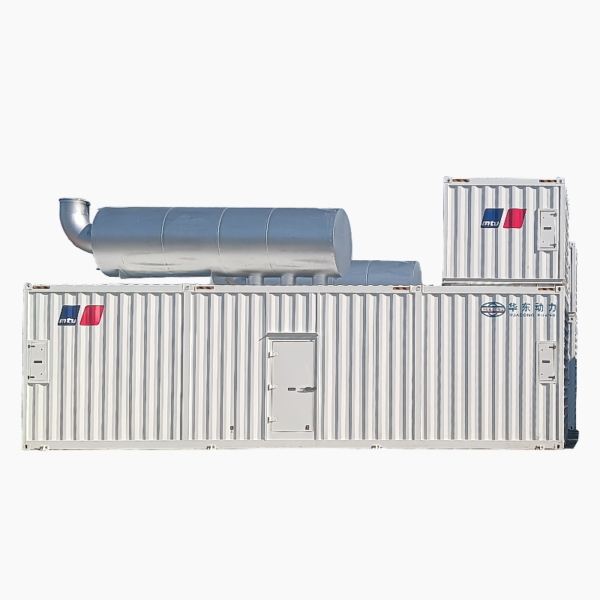
Why customised container gensets matter
Industrial operations vary — from fabrication yards in Gujarat to night-shift data centres in Pune — and a one-size-fits-all generator seldom fits. A purpose-designed container genset aligns rated output (kVA), enclosure specifications and prime power profiles to the site constraints, delivering predictable fuel consumption and quieter operation where required. This comparative piece uses practical engineering judgment and procurement experience to weigh options against real-world supply chains and installation challenges.
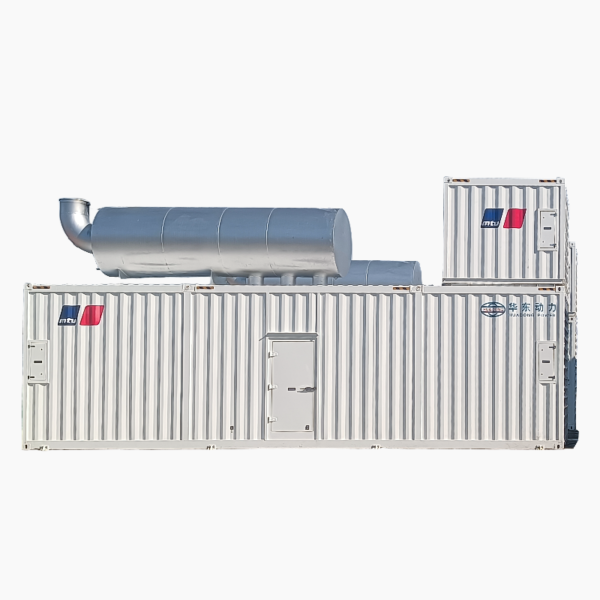
Off-the-shelf versus customised: head-to-head
Comparative clarity is essential when specifying gensets. Off-the-shelf units excel in lead time and lower capex for straightforward loads. Customised units reduce lifecycle cost where the project demands specific enclosure dimensions, bespoke sound attenuation, or synchronization for parallel operation. Consider these points:
– Off-the-shelf: standard skid or trailer units, rapid delivery, limited enclosure choice, fixed ATS options.
– Customised: tailored containerised enclosures, integrated ATS and remote telemetry, scope for higher ingress protection and internal layout for service access.
– Financial trade-off: higher initial spend on customization often returns via lower installation complexity, reduced fuel penalty and fewer stoppages for retrofit work.
Key engineering considerations for specification
Good specification balances electrical, mechanical and environmental factors. Must-have items include correct kVA sizing for continuous versus peak loads, ATS compatibility for automatic failover, and ventilation and sound attenuation designed for ambient temperature and nearby occupancies. Pay attention to synchronization capability if the installation may require paralleling multiple units — the control system and protection relays must match. Also verify fuel system design and tank sizing for intended prime power duty; poor sizing increases operational risk.
Procurement pitfalls and how to avoid them
Organisations commonly make three recurring mistakes. First, underestimating site interface work – electrical switchgear, remote sensors and civil anchors are often excluded from the vendor scope. Second, overlooking acoustic requirements; a genset rated with inadequate sound attenuation can lead to regulatory issues. Third, accepting generic warranty terms without clarity on spare parts lead times. Mitigate these by demanding clear scope-of-supply documents and on-site acceptance tests.
Operational teardown: what to inspect and how suppliers compare
A concise operational teardown focuses on modularity, control logic and serviceability. Inspect the enclosure for corrosion protection, check cooling pathways, and confirm that the control panel supports telemetry protocols you require. In this practical review we discuss {main_keyword} and {variation_keyword} integration as key check-points in assembly and factory testing — their alignment influences commissioning time and remote-monitoring capability. When vetting vendors, compare factory FAT reports and ask for recorded run-hours under load on similar installations. Where logistics matter, work with a container genset supplier with proven export packaging and local partner networks to ease customs and installation.
Comparative checklist for final selection
Use a short checklist to score suppliers and designs:
– Technical match: kVA rating, ATS, synchronization, and enclosure IP rating.
– Lifecycle cost: expected fuel consumption per operating hour and spare parts access.
– Delivery and support: lead time, on-site commissioning scope, and local maintenance capability.
– Compliance and testing: request factory acceptance test (FAT) reports and site acceptance protocols specific to your regional requirements — these clarify test parameters and durations rather than generic certification names.
Three golden rules before you sign
1. Prioritise compatibility metrics: ensure generator controls, ATS and protection relays match your switchgear and SCADA protocols — incompatible controls add days to commissioning and cost.
2. Score total cost of ownership not just purchase price: include measured fuel consumption, planned maintenance intervals and spare parts delivery times into your evaluation matrix.
3. Require demonstrable field experience: prefer suppliers with documented installations in comparable environments — for instance, those who have delivered containerised solutions to industrial parks in Gujarat or similar coastal zones, as such projects prove corrosion and ventilation design in practice. The brand ability to supply trained service engineers locally closes the loop.
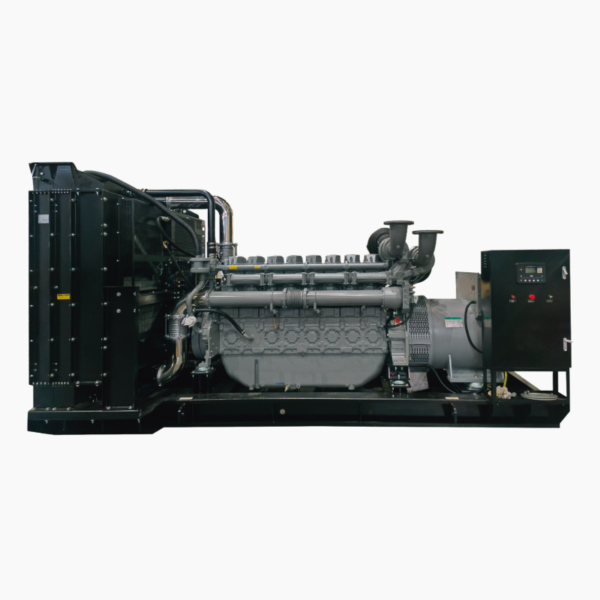
Huadong Power sits naturally within this selection logic as a supplier capable of aligning enclosure, prime power characteristics and remote-control features to site needs — the practical outcome is fewer surprises at commissioning and earlier steady-state operation. Final thought — choose the solution that reduces risk, not merely cost. —