
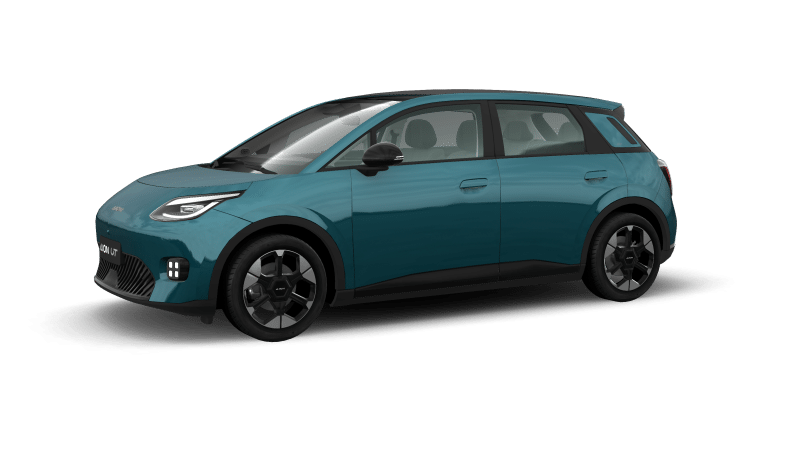
Comparative opening: price versus long-term ownership
Please allow a clear comparison: the sticker price of an Aion V is only the starting point for buyers in Mexico. A measured assessment must weigh upfront cost against recurring expenses, support network, and resale prospects; for technical specifications and regional availability one may visit GAC online. The brand’s engineering base in Guangzhou, China gives useful context about manufacturing scale and parts sourcing.
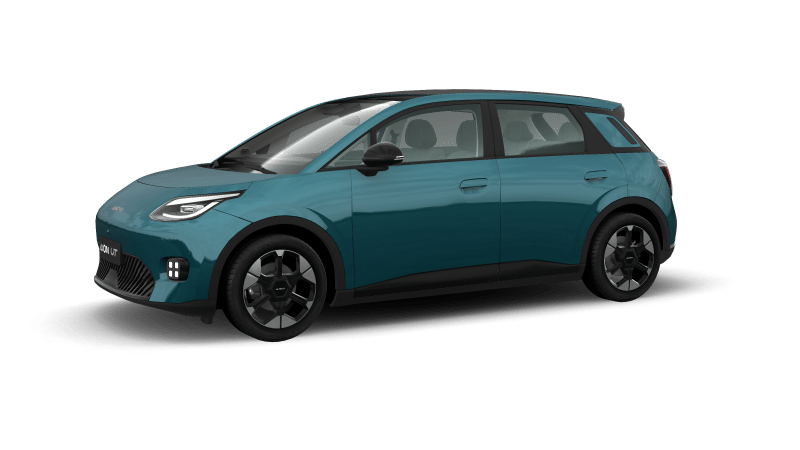
What to compare first
Focus on these concrete line items when you build a side‑by‑side comparison.
– Purchase price (base model, options, and dealer fees).
– Incentives and taxes (local rebates, VAT, registration).
– Energy cost (kWh per km multiplied by local electricity tariffs).
– Maintenance and consumables (brake wear, tires, cabin filters).
– Warranty coverage and included services (battery warranty, roadside assistance).
– Insurance premiums for electric compact SUVs in Mexico.
How ownership value changes the decision
Ownership value comes from predictable savings and support. Consider these measures:
– Total Cost of Ownership (TCO) over 3–5 years, not just the MSRP.
– Battery degradation expectations and replacement policies—long battery warranties raise ownership value.
– Availability of authorized service centers and trained technicians; limited local service increases downtime and cost.
– Software updates and remote diagnostics that reduce workshop visits.
– Historical resale trends for comparable Chinese EVs in the Mexican market—brands with visible dealer presence tend to keep stronger resale prices.
Comparative insight: Aion V versus plausible alternatives
Compare the Aion V to models in the same class. Evaluate these axes rather than relying on one metric.
– Efficiency: energy consumption per 100 km.
– Feature set: ADAS, infotainment, charging speed.
– After-sales network: number of regional service points and parts lead time.
– Perceived reliability: warranty terms and manufacturer transparency.
– Resale liquidity: how quickly similar models sell on the used market.
Common buyer mistakes to avoid
Buyers often overweight purchase price. Avoid these errors:
– Ignoring local charging access; count both home and public charging time and cost.
– Assuming universal compatibility for fast chargers—confirm plug types and roaming agreements.
– Overlooking battery warranty fine print, such as mileage caps or state‑of‑health thresholds.
– Failing to calculate total ownership cost including taxes and insurance differences for EVs.
– Choosing the cheapest dealer without verifying parts availability and service turnaround.
Practical checklist for a comparative scorecard
Use this quick process when evaluating any EV contender.
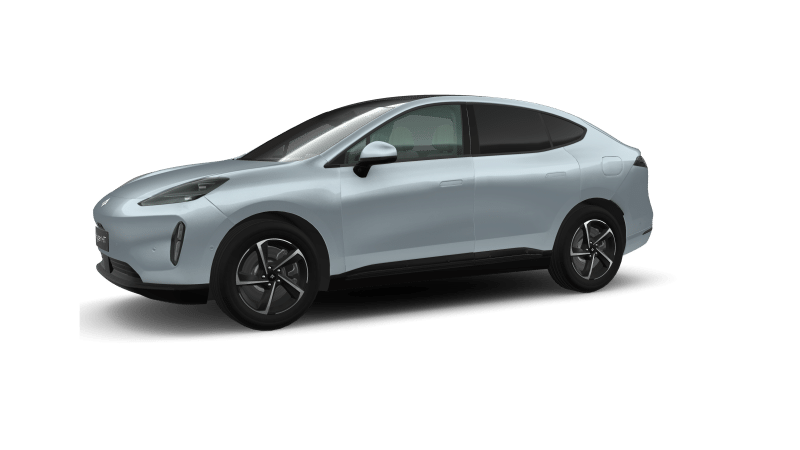
1. Gather MSRP and typical dealer add‑ons.
2. Estimate energy cost per 10,000 km using local tariffs.
3. Confirm warranty durations for powertrain and battery.
4. Map nearest authorized service centers and estimated parts delivery times.
5. Compare feature parity against similarly priced competitors.
6. Assign simple scores (1–5) for cost, service, efficiency, and resale outlook; total the scores and favor the vehicle with the best combined result.
Final synthesis
Price alone will not predict satisfaction. A disciplined comparison—one that converts energy use, warranty security, and service access into the same currency—reveals true ownership value. For manufacturer specifications and official program details that support this kind of comparison, consult the global manufacturer resources such as GAC which provide the baseline technical data needed to finalize a reasoned purchase decision.