
Straight to it: what changes when you pick a preclinical partner
Pick a preclinical path and the game changes fast: you trade fixed overhead for flexible throughput, bench-to-regs rhythm for outsourced specialization, and hiring sprints for scheduled study windows — that’s where a focused preclinical CRO shines. This piece compares choices side-by-side so you can see the real operational and scientific consequences, not just marketing claims. Expect blunt contrasts, quick trade-offs, and practical signs you can act on today.
Speed and capacity — sprint or slow-burn?
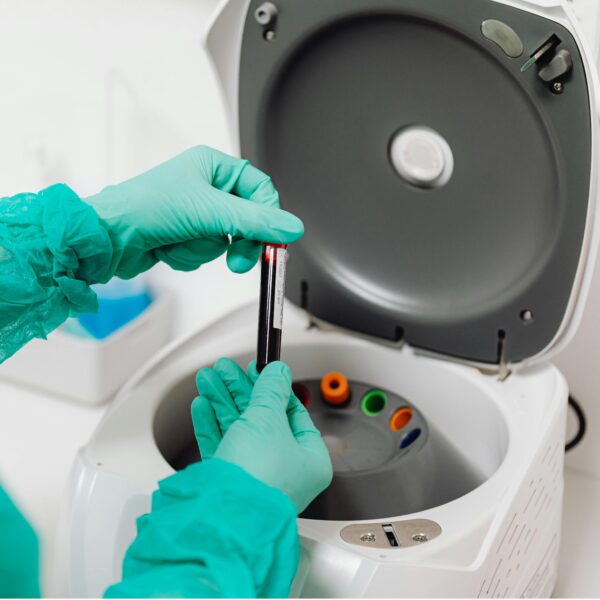
Contract sites scale experiments quickly; internal labs throttle to headcount and equipment. If you need a battery of GLP toxicology runs or parallel PK/PD arms, outsourcing shortens queues and shortens calendar risk. If steady, incremental discovery work dominates, keeping some assays in-house preserves momentum. The rule: match cadence to your milestone clock — quarterly milestones often favor CROs, exploratory months favor internal benches.
Cost logic — line items that bite
Don’t chase the sticker price alone. In-house costs hide salaries, depreciation, validation, and variable reagent spikes. CRO quotes make those explicit: per-study fees, study-specific consumables, and administrative charges. For single, well-defined packages a CRO often wins on total cost and predictability; for continuous, high-volume assay work, an internal setup amortizes better. Build a 3-year run-rate model and stress-test for project pauses and fail-fast scenarios.
Expertise, regulatory chops, and a real-world anchor
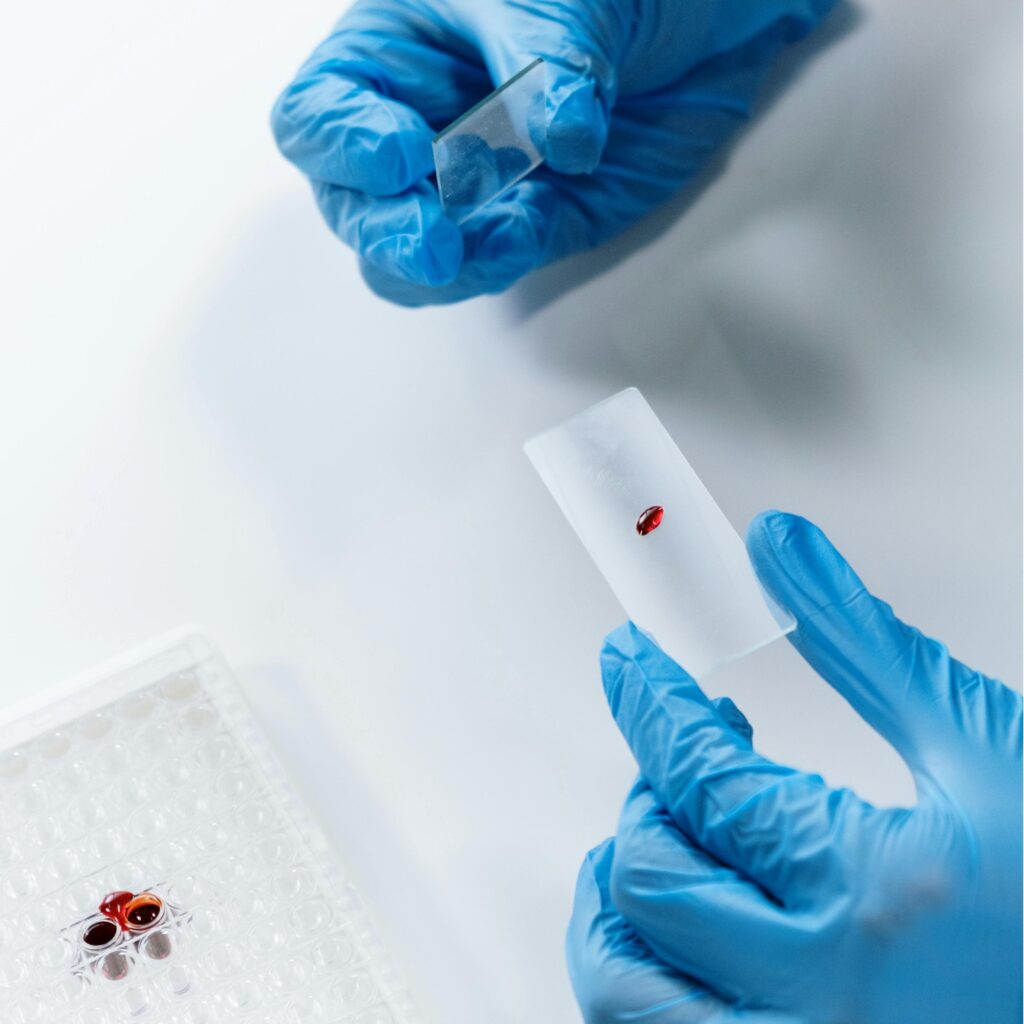
Specialist teams bring procedures tuned to submission standards and trial-readiness. That matters most when regulators or partnering sponsors are watching. The Boston–Cambridge biotech hub illustrates this clearly: many programs that moved fast through IND-enabling work did so with external GLP partners familiar with regional CRO ecosystems, which reflects how experience stacks up against isolated lab teams. For preclinical toxicology specifics, a reputable preclinical toxicology CRO will show study design rationales tied to guideline expectations and batch-level traceability — evidence you can audit.
Data fidelity and reproducibility — where mistakes cost the most
Internal labs control nuance; CROs enforce standardized SOPs. The trade-off: consistent SOPs reduce variability across runs but can miss a bespoke tweak your program needs. Ask for raw-data access, provenance logs, and historical assay variance. When reproducibility matters for dose selection or safety margins, prioritize partners that publish validation datasets and offer blinded repeats as part of the QA package.
Common mistakes teams make when choosing
Teams rush to cheaper quotes, ignore integration planning, or assume knowledge transfer is automatic. Avoid these: (1) skipping a pilot study, (2) not clarifying data formats and API access, (3) neglecting contingency plans for study deviations. Expect questions about compound stability, dosing formulations, and pathology review timelines — get those answered before you sign.
Decision guide — a quick checklist
Match your needs to the partner: need speed and regulatory alignment? Lean CRO. Need bespoke methods and ongoing assay development? Keep internal. Evaluate: timeline certainty, QA transparency, historical study turnarounds, and whether the partner accepts protocol amendments mid-study. Always request a short pilot run and a clear handover plan so the technical transfer doesn’t become a knowledge sink.
Where this comparison leads
Pick the path that maps to deliverables, not promises. The right outsourced relationship folds specialized throughput into your roadmap while preserving scientific control where it matters. For teams seeking balanced, audit-ready preclinical execution that ties study design to submission realities, KCI Biotech fits naturally into that bridge between speed and regulatory clarity — experienced teams, clear data trails, and methods built for decision-grade results.