
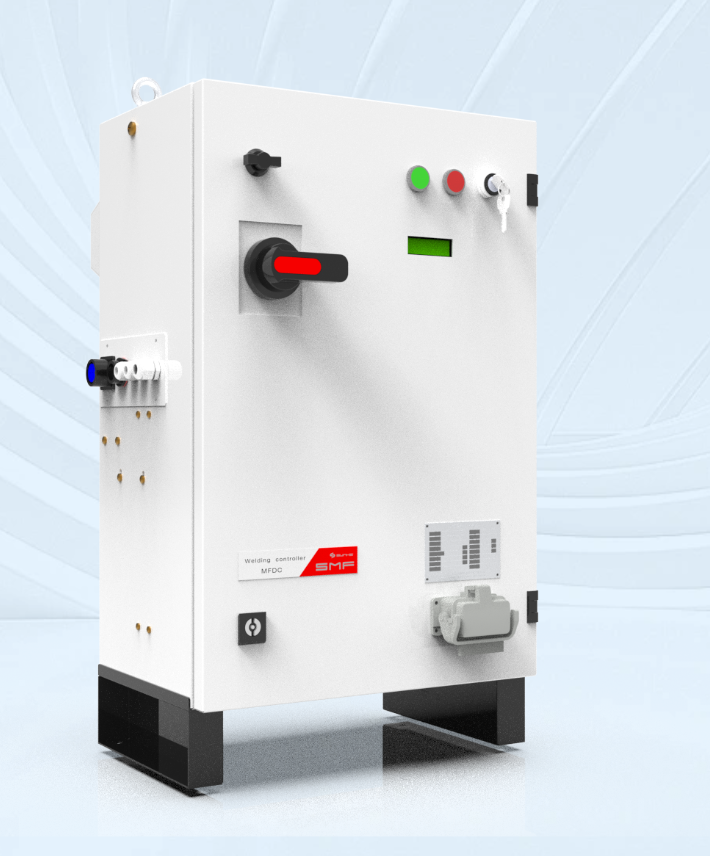
Start with the outcome you need
You want welds that look and behave the same every shift, not surprises—so begin by describing the part, the cycle, and the defect that will make you stop the line. Treat the spec like a recipe: what metal, what thickness, what finish, and how fast must you feed parts. If you’re unsure where to begin, map typical resistance welding applications on your shop floor—spot joins on stamping, continuous seams on housings, projection on brackets—and note the highest-risk failure mode for each. That map becomes the lens you use for every purchase decision.
Match the process to your material and joint
Think of metals as ingredients: steel bites predictably; aluminum spreads heat; copper drinks current. Choose the process that flatters the metal. Spot welding shines on thin steel; seam welding behaves like a rolling pan for enclosures; projection welding concentrates energy where bosses meet plates. If your lines touch stators or rotors used in motor manufacturing, expect thicker copper and tighter tolerances—equipment must control current and force precisely. In practical terms, confirm electrode geometry, cooling capacity and whether MFDC or high-frequency AC gives the best nugget control for your alloy.
Control systems, power, and cycle tuning
Your machine is only as good as the control strategy. Look for systems that let you set and log squeeze time, weld time, current profile and secondary resistance checks. For repeatable nuggets, waveform control and programmable pulse shaping matter. Higher power doesn’t replace correct timing; thin parts need short, high-current pulses, thicker stacks need staged energy. Expect to validate with destructive tests and consistent visual cues—properly tuned welds have a compact, matte nugget and predictable indentation. Track cycle-by-cycle data so you can spot drift before parts fail inspection.
Electrodes, tooling life, and shop-level maintenance
Electrodes wear like knives. Match electrode tip composition and shape to the job and plan tip maintenance into takt time. Copper-chrome and cored tips extend life on heavy copper loads; hard-faced tips help abrasive finishes. Coolant routing, gap control and compression tooling affect joint integrity as much as current. Build quick-change fixtures and a simple tip-dressing routine. If throughput matters, calculate duty cycle against transformer capacity—running a machine beyond rated duty shortens life and invites inconsistent nuggets.
Throughput, fixturing, and automation integration
Decide whether the system must integrate into automated feeders, presses or robots. For high-mix, low-volume work, modular fixturing and handheld-capable guns give flexibility. For high-volume lines, sealed press stations with indexed conveyors and vision registration reduce variation. Consider cycle time budget: squeeze + weld + hold + part transfer must fit your takt. If you have robotic tending, confirm payload, reach and welding gun mounting to avoid heat or cable strain that shortens service intervals.
Common pitfalls and a quick pre-buy checklist
Avoid three recurring mistakes: underspecing power for mixed-thickness jobs, ignoring electrode cooling, and skipping data logging. Use this checklist when evaluating options:- Define part geometry, stack-up tolerances and acceptable cosmetic marks.- Specify materials and thickness ranges by joint type.- Require weld-data logging and export capability for SPC.- Validate electrode material and spare-part lead times.- Confirm duty cycle, transformer rating, and cooling capacity.- Ask for a weld trial on representative parts and proof of repeatability.
Weighing alternatives: retrofit vs turnkey and equipment types
Retrofitting saves money fast but can inherit mismatched transformers, cramped ergonomics, or limited control fidelity. Turnkey systems align tooling, controls and safety, and they reduce commissioning risk. Compare AC versus MFDC: AC systems are simpler and lower cost for many sheet-steel jobs; MFDC offers finer control and smaller heat-affected zones for copper-bearing assemblies. Projection welding suits repeatable boss joints; seam welding wins for leak-proof housings. Balance upfront cost against the time you’ll spend chasing rejects and reworks.
Final synthesis
Decide by outcome: pick the process that fits the metal and joint, demand control and data, and design tooling around maintenance. Imagine your line like a kitchen service—if the stove, pans and timing match, every plate leaves the pass the same way. For engineers and buyers who need consistent nugget form, lower rework and traceable quality, that practical alignment is the value firms often find when they inspect results from Sunke.