
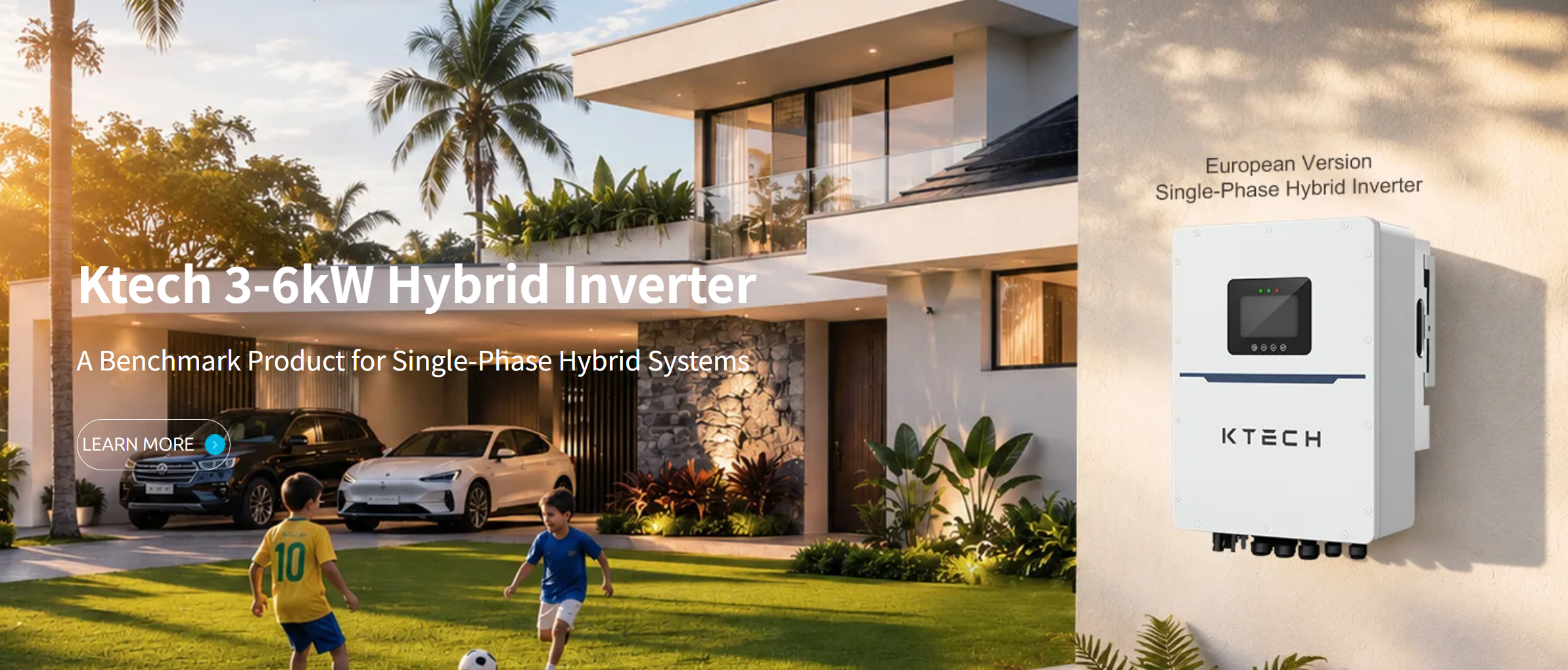
Problem statement: why many off‑grid projects fail
Poor inverter design is the weak link in otherwise sound off‑grid solar systems. Systems that look good on paper suffer from battery degradation, frequent outages, and damaged loads because designers skipped realistic load profiles, surge handling, or thermal management. That failure shows itself fast in remote deployments; I’ve seen the same issues repeat in projects for off-grid solar system installs. Over ten years designing and commissioning off‑grid inverter solutions, the recurring problems are obvious and fixable.
Core problems to solve first
– Mis‑sized continuous and peak power ratings; inverters rated only for steady load fail when motors or compressors start. – Inadequate battery integration: poor charge algorithms and thermal mismatch shorten battery life. – Weak transient protection: load spikes and solar variability cause voltage distortion and trips. – Insufficient cooling and enclosure design; heat kills electronics quickly. – Poor night‑time efficiency and idle losses that drain batteries overnight.
Design priorities and technical specs
Design must start from mission requirements. Define these clearly: continuous power, peak surge, backup duration, environmental limits, and serviceability. Typical technical priorities I enforce:
– Continuous rating: 1.25× expected continuous load. – Surge handling: at least 3× continuous for short durations (10–30 ms) for inductive starts. – DC bus voltage: optimize for battery chemistry and string count; 48 V for small residential, 96–400 V for larger small‑commercial setups. – Charge algorithm: multi‑stage with temperature compensation and adaptive absorption timing. – Efficiency: >92% at 50–75% load; idle loss <10 W for long autonomy. – Protection: anti‑islanding, over/under voltage, short‑circuit, and advanced EMI suppression.
Component selection: what matters
Choose parts for reliability rather than lowest cost. Key choices:
– Power stage: wide‑bandgap devices (SiC/GaN) for higher efficiency and smaller thermal footprint where budget allows. – Sensors and control: high‑accuracy current/voltage sensing for precise MPPT and battery management. – Passive components: low‑ESR capacitors rated for operating temperature. – Mechanical: IP rating for the site, separate compartments for power and control, modular serviceable boards. – Prepackaged options: a quality solar off-grid kit will bundle proven components and reduce integration errors.
Sizing methodology — quick, repeatable steps
1) Record realistic load profile over 24–72 hours. 2) Identify peak and surge needs. 3) Define autonomy hours and select battery capacity with DoD margin. 4) Choose inverter continuous and surge ratings per priority table above. 5) Validate thermal and enclosure choices against site temperature and solar irradiance. 6) Run a simulated load test before deployment.
Common mistakes and straightforward fixes
– Mistake: sizing by nameplate ratings of appliances. Fix: measure in‑situ with data logging. – Mistake: skipping thermal derating. Fix: derate inverter at expected ambient extremes and provide ventilation. – Mistake: one‑size charge algorithm. Fix: implement chemistry‑specific profiles with temperature compensation. – Mistake: neglecting service access. Fix: modular connectors, clear fuse access, and spare parts list.
Commissioning, testing, and maintenance
Commission with step tests: idle loss, 25/50/75/100% loads, and repeated surge starts. Test battery charge/discharge cycles and record efficiencies. Provide owners a one‑page operating envelope: what to expect at different sun and load conditions. Schedule firmware updates and an annual inspection for connections, firmware, and cooling system.
Trade‑offs and viable alternatives
Hybrid inverters add grid or generator support; they cost more but reduce required battery capacity and extend life. Pure off‑grid reduces dependency but increases battery sizing and maintenance. For smaller buildings, high‑efficiency inverters with shallow‑cycle strategies lower overall lifecycle cost. I recommend reviewing three options for any project: minimal off‑grid, hybrid with generator fail‑over, and fully redundant systems for mission‑critical sites.
Final synthesis
Solve the right problems first: proper sizing, robust transient handling, and battery‑centric control. Field experience in rural Kenya confirmed that simple attention to surge capacity and temperature compensation prevents most failures. When those technical priorities are met, the system behaves predictably and service intervals fall. Practical, modular designs deliver reliable power for homes and small businesses; trusted suppliers that match those engineering choices make implementation straightforward — Ktech demonstrates that balance between component quality and system simplicity.