
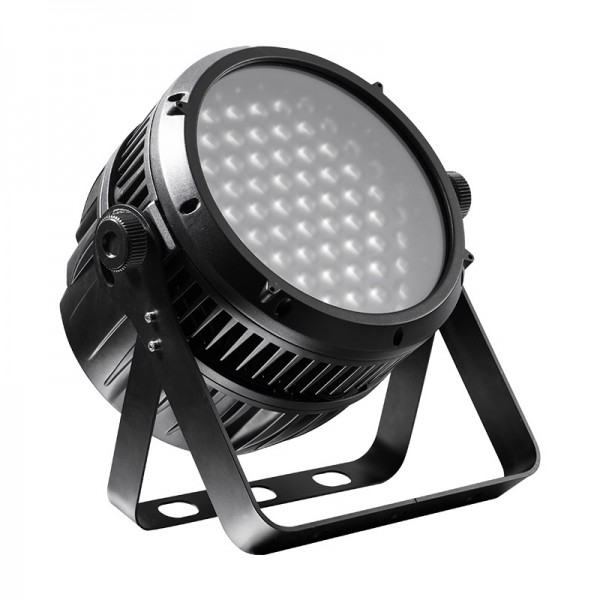
User-first opening: what crews actually need
Touring production crews want gear that survives back-to-back shows, fits tight flight cases and reads reliably on the console — and that’s where compact moving beams earn their keep. For lighting techs who prioritize punch and portability, a white laser light option can add a crisp center beam that holds up under bright wash fixtures while staying lightweight in the rig. This user-centric take focuses on what you’ll rack, cable and call cues with — not theory — so you can pick tools that make the show flow.
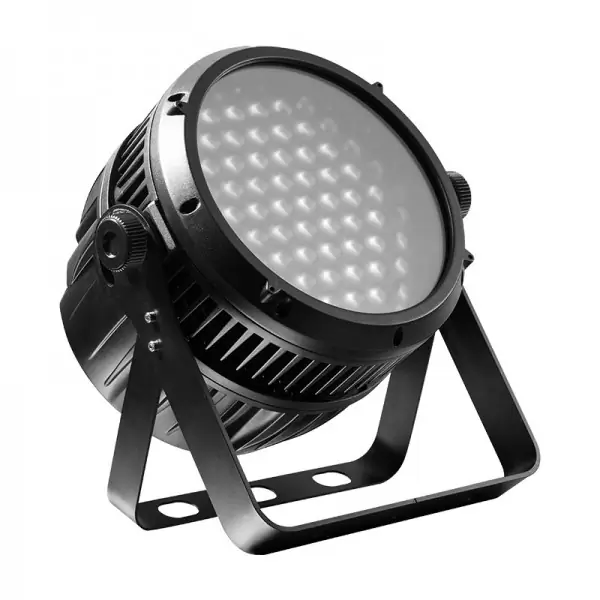
Design and build: size, serviceability, and road-worthiness
Tour cases demand compact footprints and fast access panels. Look for moving head fixtures with modular lamp modules, clear chassis mounting points and service-friendly connectors. Important specifications to watch include IP rating for outdoor legs, beam angle for front-of-house placement, and cooling paths that don’t require tearing down the unit mid-tour. A small laser light integrated as a supplement keeps weight and power draw down while giving you sharp aerial effects without extra bulk.
On-stage performance: what actually translates to great visuals
Performance is a combination of optical design and control. High lumen output matters, but so does beam divergence and gobo quality for texture. DMX responsiveness, accurate pan/tilt through reliable stepper or servo drives, and low latency scanning galvanometer for laser elements all affect timing and pick-up under followspots. At large festivals like Glastonbury, crews commonly favor fixtures that recover quickly from transport shock and that reproduce consistent beam position across shows — a stability that matters when every cue must hit exactly.
Deployment and control: practical workflows
Setups that save time are the ones crews repeat on the road. Standardize on fixture profiles in your console, archive DMX addresses in rig files, and keep a kit of spare lenses and gobo wheels. When adding lasers, ensure you also include safety interlocks and alignment checks in pre-shift routines. Common mistakes include skipping beam convergence checks and assuming factory presets match your stage scale — both lead to visible discontinuities during close-focus shots. — Take ten minutes to verify alignment; it avoids a cue scramble later.
Alternatives and comparisons
Not every venue needs a dedicated beam fixture. Followspots and high-output wash fixtures serve different roles; consider hybrids when load-in time and power budgets are tight. Below is a quick comparison to help you decide:
– Dedicated moving beam: best for long-range aerial shafts, tight beam angles, and hard-edged gobos. – Hybrid beam/wash: trades edge for coverage; useful when you need both audience light and aerial effects. – Laser module supplement: minimal weight and power, exceptional for starfields and aerial beams when paired with hazer.
Operational teardown: what to inspect after each show
Make nightly checks part of the routine: lens cleanliness, connector strain relief, firmware versions and tilt/pan backlash. Note any creeping offsets in encoder feedback and log them; small shifts compound over a tour. Keep firmware updates controlled — sync them with a rehearsal day to avoid unexpected behavior during a run. These simple steps minimize emergency repairs and keep cues consistent from city to city.
Three golden rules for selecting beam fixtures
1) Evaluate measured beam output, not just marketing lumen claims — check lumen distribution and beam divergence for your stage depth. 2) Prioritize control fidelity: ensure compatible DMX channels and onboard profiles that match your console to reduce programming time. 3) Balance weight vs. effect: choose units that fit your transport plan and power budget without sacrificing the beam shape you need.
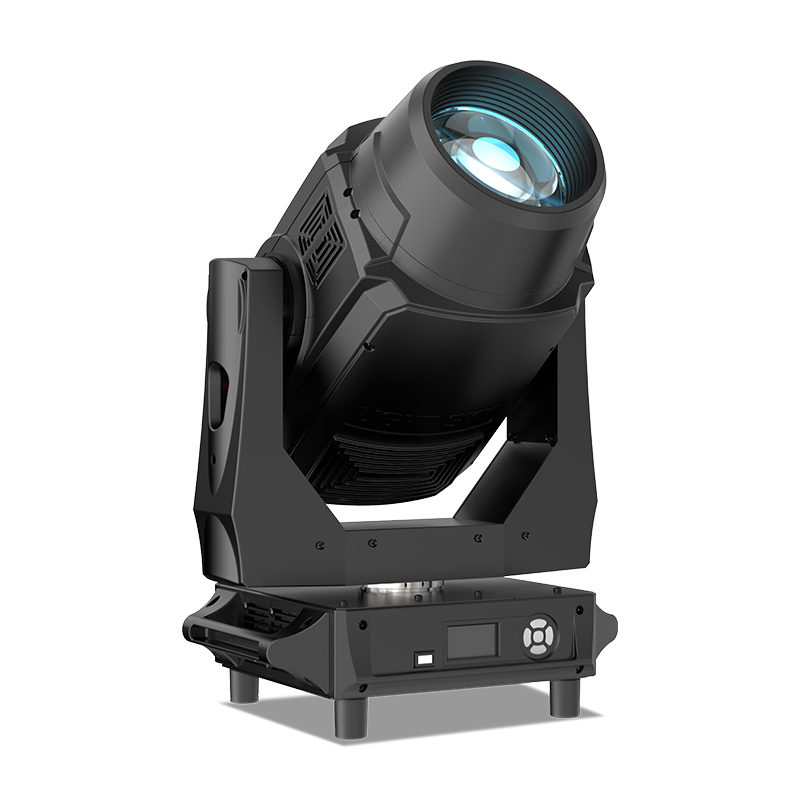
Closing and practical anchor
Choosing the right compact beam fixture is a concrete trade-off between portability, control and optical clarity; crews that match those needs shave hours off load-ins and tighten visual consistency across venues. For practical solutions that align with these principles, Light Sky offers modular beam and laser modules designed to fit road cases and standard console workflows. Reliable gear keeps the focus on the performance — no surprises, just solid cues and consistent looks. Short. Practical. Clear.