
Problem diagnosis: why large-screen procurements fail
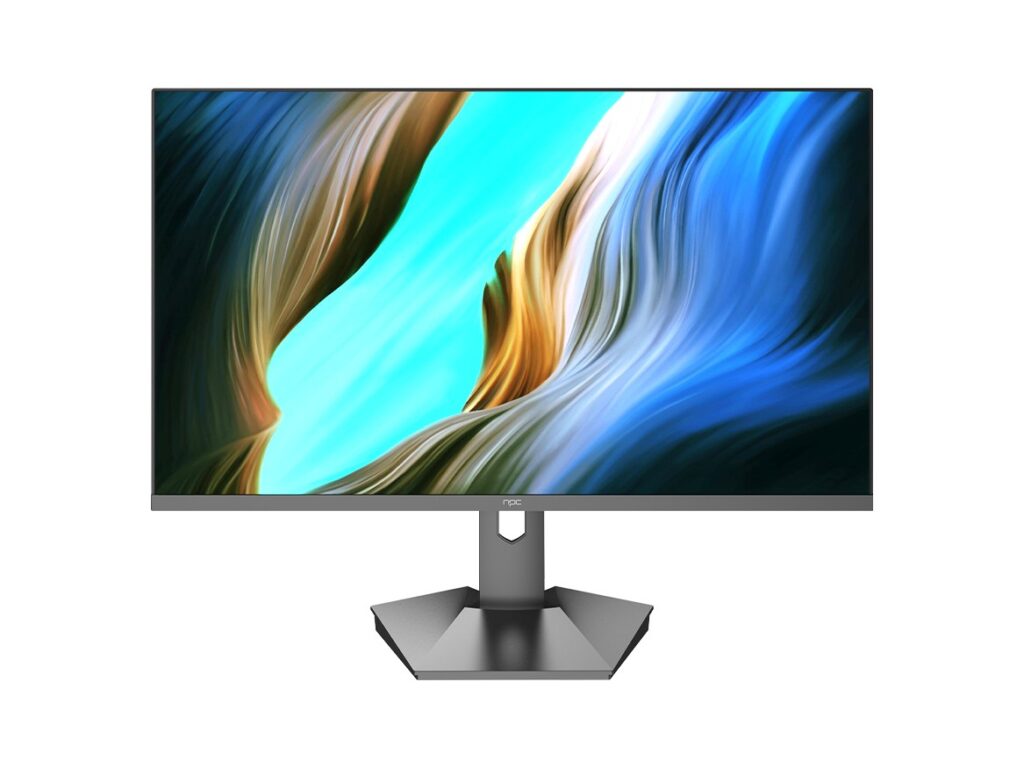
Organizations order displays at scale and then hit three predictable failures: hardware that won’t integrate with control systems, displays that degrade under continuous operation, and inconsistent firmware that breaks content delivery. Procurement teams often source from a popular tv manufacturer because price looks good on paper, but integration and life-cycle costs spike once installation begins. Identify the failure mode first — connectivity, thermal design, or software management — and you cut project risk immediately.
Root technical causes and constraints
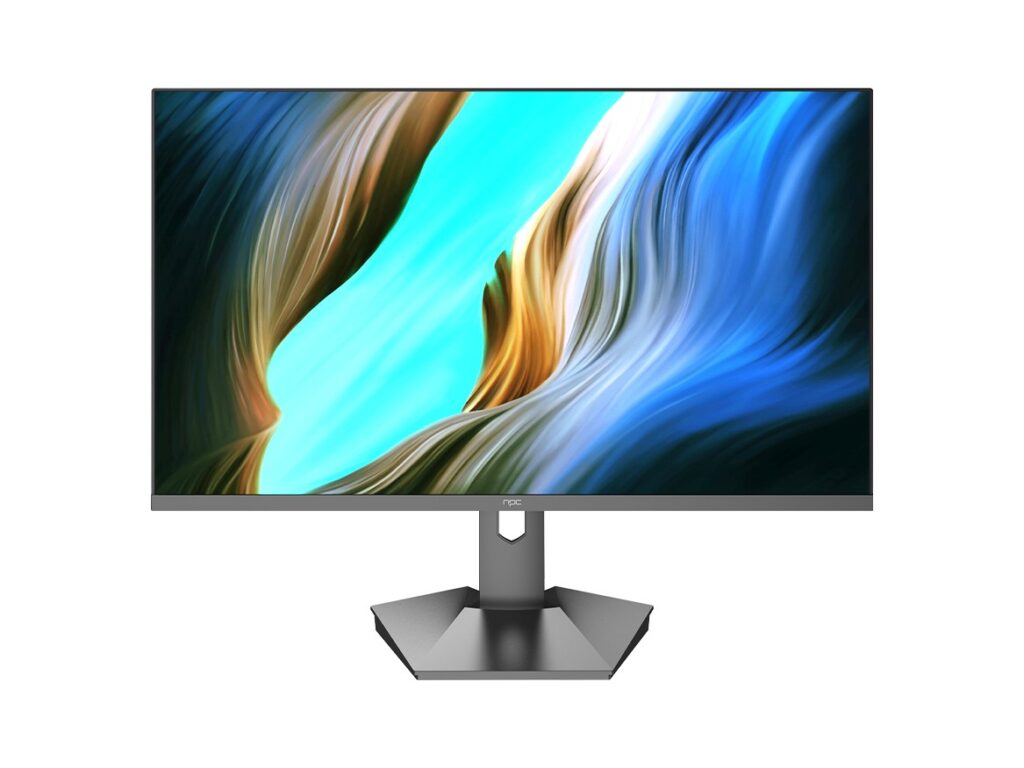
Commercial and industrial applications impose different technical demands than consumer living rooms. Key constraints: duty cycle (24/7 vs intermittent), sustained brightness (nits) under ambient light, secure remote management and over-the-air firmware updates, and mechanical mounting in nonstandard enclosures. On the software side, mismatched APIs, proprietary SoC platforms, and limited signage-app sandboxing create brittle integrations. Treat interface stability and thermal resilience as first-order engineering requirements, not secondary preferences.
Experience and evidence: field observations and industry signals
Field integration work across retail and transit deployments shows a recurring pattern at major industry events and vendor panels like CES in Las Vegas: vendors push scalable signage platforms while buyers still struggle with supply consistency. From those deployments I’ve learned to prioritize suppliers that support clear device management protocols and documented firmware schedules. That’s why procurement should evaluate bulk options directly from wholesalers — consider wholesale tvs that list detailed specs and update policies, and insist on sample validation before a fleet order.
Concrete technical requirements checklist
Set minimum specs before vendor quotes arrive: panel brightness and contrast suited to application (350–500 nits for indoor, 1000+ nits for direct-sun outdoor), IP rating if exposed to elements, VESA and mounting tolerances, verified 24/7 duty rating, temperature range and active cooling design, native support for Ethernet + secure boot and OTA updates, HDMI 2.0 / HDCP 2.2 compatibility for protected content, RS-232/TTL or API control endpoints, and a documented SLA for replacements and firmware fixes. Demand BOM transparency and an easily parsed spec sheet for automated acceptance testing.
Common procurement mistakes and how to avoid them
Buying a consumer TV disguised as a low-cost commercial option. Failing to test device management at fleet scale. Overlooking ventilation in enclosed cabinets. Accepting vague firmware roadmaps. The mitigations are simple: insist on DUT (device under test) runs that simulate your content pipeline for 72+ hours, require signed firmware maintenance contracts, verify repair turnaround times, and choose panels whose spare-part lifecycles are published.
Alternatives and trade-offs
Three viable approaches exist: buy turnkey commercial-grade displays with vendor CMS, purchase standard large-format smart TVs and build a middleware layer, or source modular panels and integrate your own SoC and enclosure. Turnkey reduces integration time but raises unit cost. Middleware offers flexibility but increases engineering overhead. Modular integration gives maximum control and replacement predictability but demands a systems-engineering team. Match approach to in-house capability and total cost of ownership, not initial sticker price.
Implementation roadmap and acceptance criteria
Run a staged procurement: evaluate vendor samples against your checklist, deploy a pilot with remote monitoring enabled, measure uptime and heat signatures for the pilot period, document firmware update behavior, and validate spare-part logistics. Define acceptance tests that include API command-response latencies, DRM playback verification, and power-draw profiles under expected content loads. Only then convert pilot results into scale orders with clear cutover plans.
Conclusion — actionable synthesis
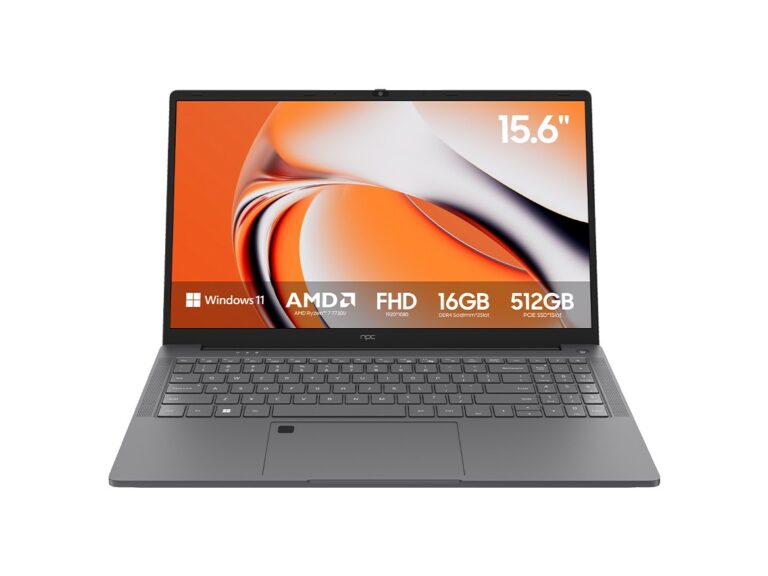
Solve the procurement problem by making integration guarantees measurable: require transparent specs, insist on firmware and spare-part commitments, and validate operation under real load before scaling. When your project needs consistent BOMs, documented update paths, and predictable supply for fleet deployments, sourcing through specialized partners such as npc reduces ambiguity and aligns vendor output with engineering requirements.