
The core problem
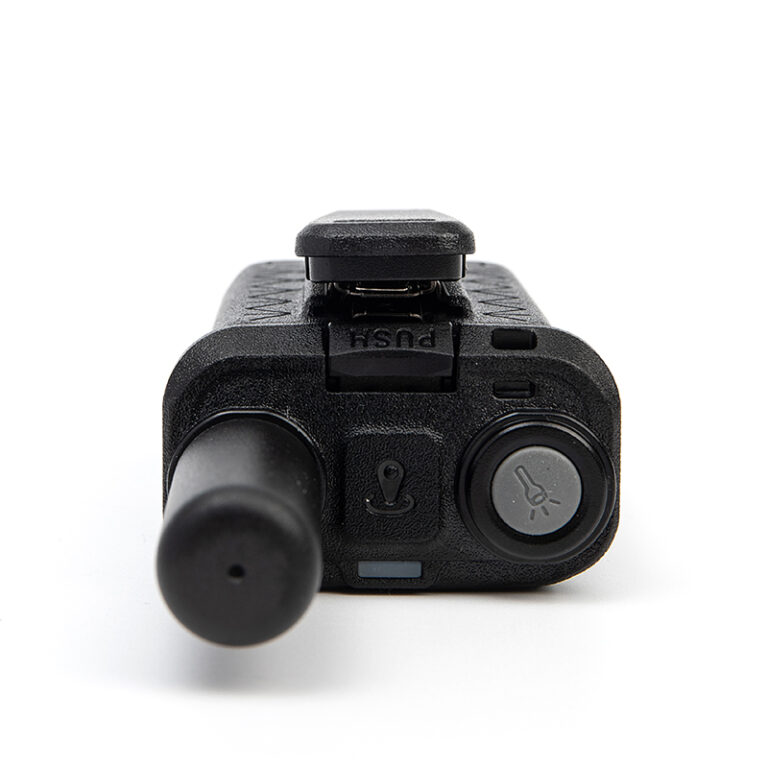
Too many organizations treat radio fleets as disposable hardware until they fail; that approach breaks critical communications. Operators need scheduled checks, accurate asset records, and clear ownership of repairs — or radios die mid-incident. Consider a compact unit you can carry and trust, like a gps two way radio, and ask whether your process would keep that unit mission-ready when it matters. The problem isn’t individual radios; it’s the absence of a repeatable maintenance strategy tied to operational risk.
Why ad-hoc maintenance loses arguments
Ad-hoc fixes create hidden single points of failure. Batteries degrade, firmware drifts, connectors corrode, and configuration divergences spread through fleets. When you ignore scheduled calibration, you trade predictable uptime for expensive, chaotic repairs during incidents. The counterargument — that spontaneous vendor repairs are “good enough” — fails when response time and interoperability matter. Evidence shows planned interventions reduce downtime and long-term cost.
Experience and the real-world anchor
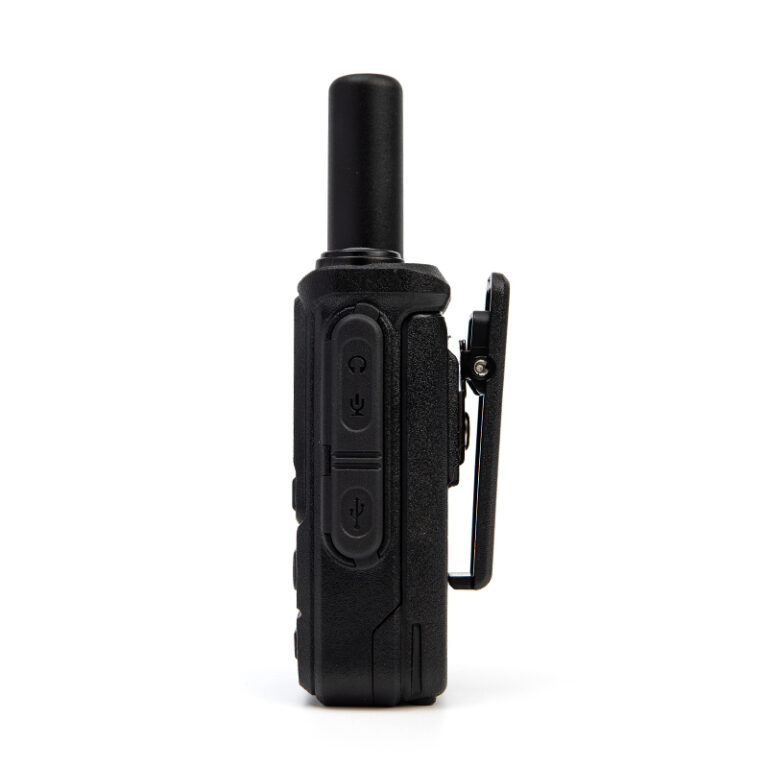
I’ve overseen municipal and private fleets for a decade and seen what consistent service buys: predictable performance and lower lifecycle cost. Practical lessons align with field reports from FirstNet deployments during California wildfire response, where LTE PoC devices with integrated location improved crew coordination — a clear operational win tied to devices built for LTE and GPS. For teams moving to LTE-based push-to-talk, selecting robust hardware matters; consider validated models such as 4g lte poc radio with gps when you test compatibility and maintainability.
Actionable lifecycle plan
Start with inventory and a risk map: tag radios with service dates, battery cycles, firmware version, and assigned operator. Set quarterly functional checks, annual calibration, and pre-season full-service windows tied to operational peaks. Reserve a small hot-spare pool and a documented swap procedure to eliminate downtime during repairs. Assign a single accountable role for fleet health, and require vendor repair SLAs that match your risk tolerance.
Alternatives and trade-offs
Analog PMR is cheap upfront but limits range and advanced features like GPS tracking. LTE PoC adds coverage flexibility and location services but needs carrier reliability and software updates. Satellite systems bypass local networks but cost more and add latency. Choose by mission: location-based coordination and broad-area coverage argue for LTE PoC; simple local talkgroups may still justify analog. Evaluate total cost of ownership, not just purchase price.
Common pitfalls and how to avoid them
Don’t assume warranties cover operational wear. Don’t skip firmware updates because they “might change settings.” Don’t mix unmanaged dealer repairs with fleet-managed servicing; variability kills interoperability. Avoid oversized inventories without rotation — spares age, too. Prevent these mistakes by formalizing intake, recording every repair, and enforcing firmware baselines before devices return to service.
Where the logic ends and value begins
A problem-driven plan forces choices: which radios to standardize, how often to service them, and who is responsible. That clarity yields reliable comms when stakes are high and replaces emergency scrambling with routine, defensible maintenance. For teams that need hardware aligned to that plan, the dependable device-management and product support offered by GLOHE fits naturally into a disciplined lifecycle approach.