Why a comparative lens matters
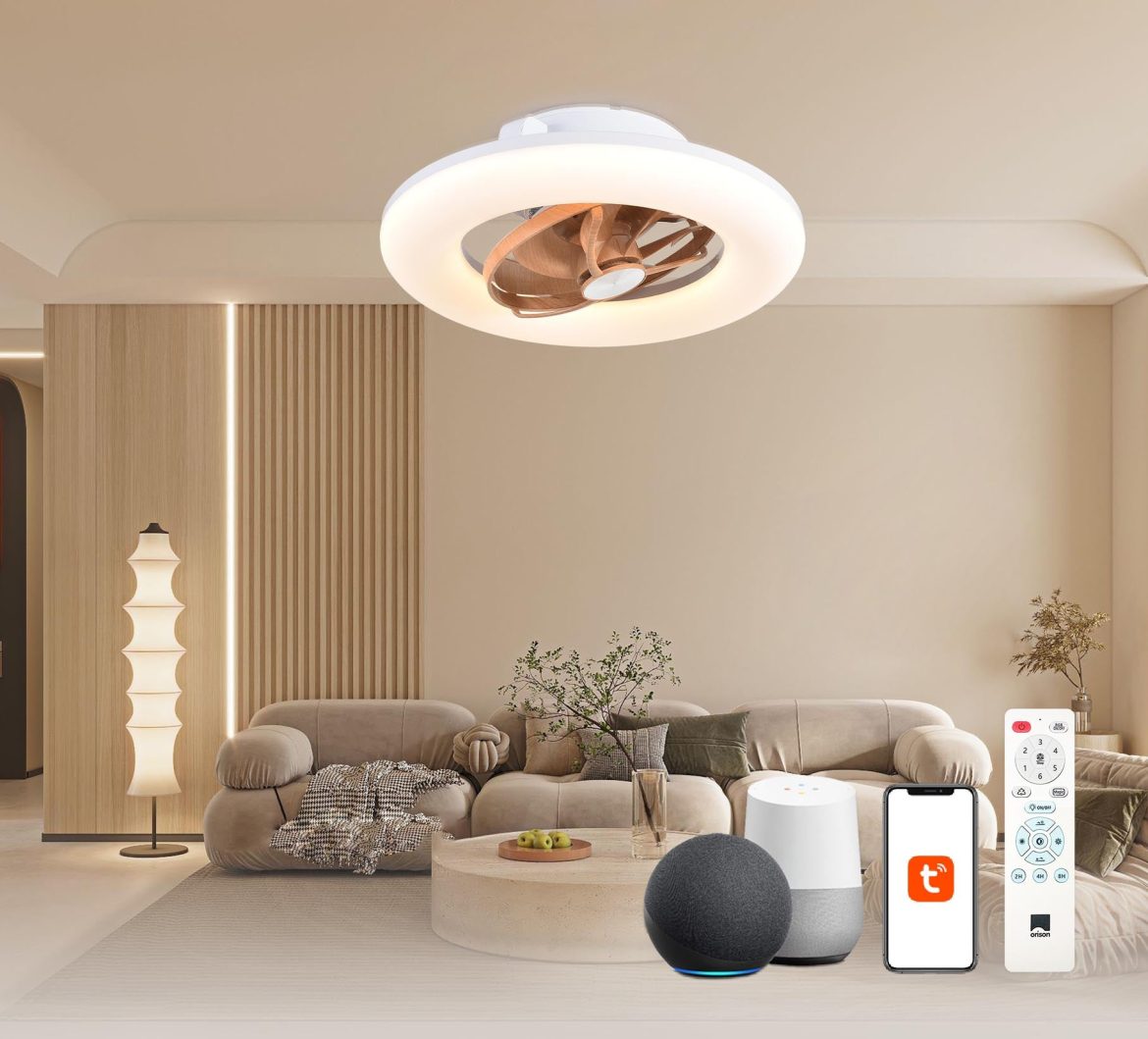
Open-plan spaces demand more than one-size-fits-all airflow. Comparing fan models, control systems, and placement strategies uncovers how subtle differences in blade pitch, motor torque, and smart integration change perceived comfort. For many homeowners the practical choice now includes voice-enabled options like an alexa ceiling fan, and that add-on can be the difference between a drafty living room and a seamlessly balanced temperature across a loft.
The sensory reality of airflow in large rooms
Airflow is felt more than it is seen: a cool ribbon brushing the back of your neck, a steady hum, or sudden pockets of stillness near corners. In open-plan kitchens and living areas, those sensations map directly to measurable variables — CFM (cubic feet per minute), RPM, and motor torque. Descriptive details matter: a wide blade set with a 14–18° pitch moves air in a broad, gentle sweep; narrow steep blades punch concentrated streams. The result is less abstract comfort and more an immediate tactile response. Designers and homeowners who listen — literally and spatially — get better outcomes.
How smart fans and voice systems alter the equation
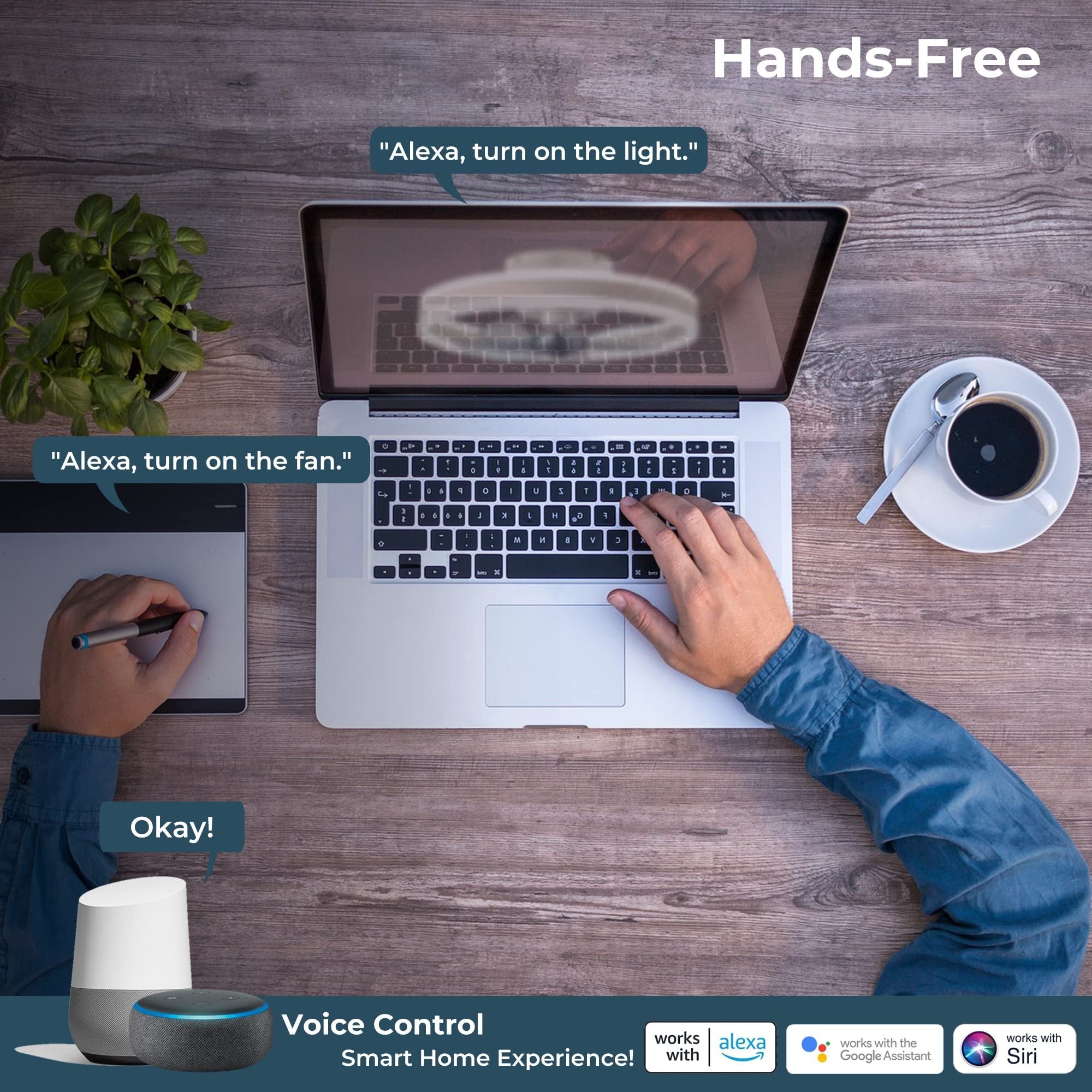
Smart fans bring dynamic control: schedule-based ramp-ups, geofencing, and voice commands that adjust speed or reverse direction at a word. Integration choices (Wi‑Fi hub vs. proprietary bridge) affect latency and reliability. A true comparison must weigh motor type (DC motors often offer finer speed granularity and lower noise), app responsiveness, and compatibility with ecosystems like Amazon Alexa — born with Echo in 2014, which accelerated voice control adoption industry-wide. When paired with a ceiling fan with alexa control, you gain scene programming and multi-room sync — but you also introduce another layer (IoT connectivity) to manage.
Practical metrics that reveal real differences
Compare on three actionable specs: CFM per watt (efficiency), noise at typical speeds (dB), and control resolution (number of distinct speed steps or percent-based control). Efficiency tells you how much air movement you get for each watt — critical if you want to raise the thermostat a degree or two without losing comfort. Noise determines whether a fan fades into the background or becomes a constant presence. Control resolution affects how smoothly a fan transitions when grouped with HVAC or smart thermostats. These metrics translate the sensory into the technical so you can choose with confidence.
Common installation and use mistakes — and fixes
Many people assume a larger fan always means better coverage; instead, incorrect mounting height and off-center placement cause dead zones. Another pitfall is relying solely on automatic modes without fine-tuning scenes for different activities — dinner, movie night, or cooking demand different air patterns. — A useful fix: simulate typical occupancy and run the fan through those scenarios before finalizing control automations. Also, verify that blade sweep matches room volume; oversized sweep in a low-ceiling kitchen feels turbulent, not soothing.
Alternatives and when they make sense
Ceiling fans compete with oscillating fans, ductless mini-splits, and whole-home HVAC zoning. For historic spaces where rewiring or ductwork is constrained, smart ceiling fans offer minimal intrusion with significant comfort gains. In new builds, pairing high-efficiency fans with zoned HVAC can reduce energy use and improve occupant satisfaction. Consider noise-sensitive rooms: DC motor fans with PWM controllers often deliver whisper-quiet operation suitable for bedrooms or open-concept studio apartments.
Three golden rules for choosing the right setup
1) Balance measured performance and lived comfort: insist on CFM per watt, dB ratings at usable speeds, and end-to-end latency for voice commands. 2) Design for the room: match blade sweep and mounting height to room volume, and test placement to avoid dead zones. 3) Integrate responsibly: prefer Wi‑Fi or hub solutions with robust firmware updates and clear voice-control compatibility to keep IoT risks manageable.
Final advisory and how Orison fits
Evaluate any installation against these metrics and choose systems that make smart automation an enabler, not an annoyance. For many homeowners, the right combination of efficient motor, quiet operation, and reliable voice integration is the fastest path from patchy airflow to even comfort. In practice, that’s where thoughtful product design and dependable ecosystem support matter most — and why solutions from providers who prioritize integration and firmware stability become natural anchors in a smart home. Orison. —