
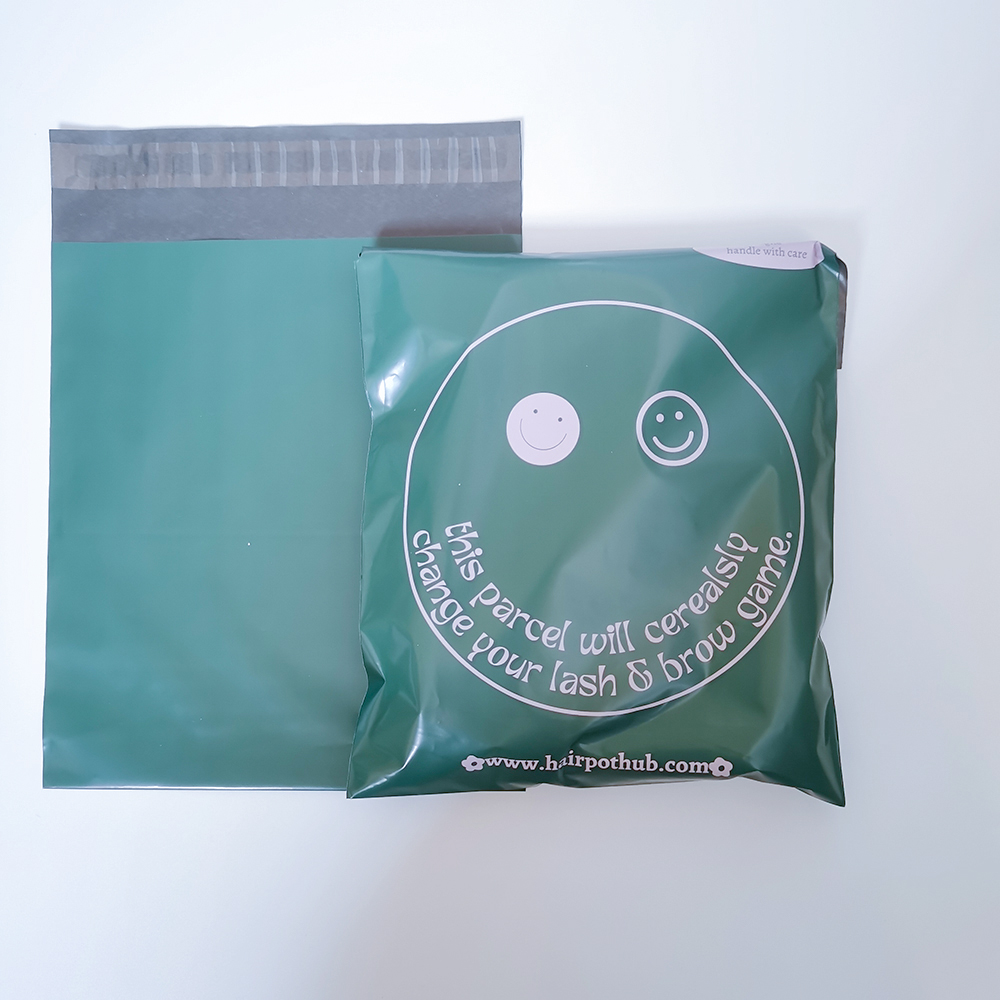
Opening the problem — why brands keep getting soggy returns
Most SMEs and e-commerce brands think swapping to eco friendly poly mailers is simply a “green” sticker on the checkout page. But the real headache? Punctures, seam failures, and poor barrier performance that turn neat deliveries into soggy complaints — and damage your reputation faster than a late courier. I’ve seen this happen to sellers in Singapore during the 2020 supply‑chain shocks, when many had to change vendors quickly and discovered their new recyclable poly mailers failed basic puncture resistance tests. Problem-driven view lah: fix the weak links at design and spec stage, then the rest becomes steady.
The common failure modes (and what they cost you)
There are three usual culprits: low puncture resistance, weak sealing (thermal or adhesive), and inadequate moisture barrier. Punctures often come from sharp corners of merchandise or rough handling; seam failures happen when heat-seal parameters aren’t matched to film thickness; and poor barrier means high water vapor transmission rate (WVTR), so prints run and papers warp. The business cost? Increased returns, re-shipments, and lower NPS — not just material waste but brand trust leaking away.
How to specify a mailer that actually survives the journey
Start with measurable specs, not marketing words. Specify target puncture resistance in grams or Newtons, state desired WVTR, and define seal strength in N/cm. Use terms like extrusion, barrier film, and LDPE/HDPE blends in the spec sheet so suppliers know you mean business. Ask for ASTM or ISO test reports (e.g., puncture and tensile tests) and insist on first‑article samples tested on your actual packing line. Don’t assume — test.
Material and process trade-offs — be realistic
Eco-friendly options are many, but each trade-off affects performance. Recycled-content films reduce virgin polymer usage yet can have variable MD/TD orientation and inconsistent puncture resistance if not compounded well. Compostable resins may degrade under humid conditions or need thicker gauge for similar puncture strength. And barrier films with metallization or EVOH layers boost water resistance but can complicate recycling streams. So pick materials aligned with your logistics profile and return expectations — not just the greenest-sounding option.
Manufacturing checkpoints suppliers should meet
Supplier control points matter: roll-good QC, consistent gauge control in extrusion, calibrated heat-seal dwell/time, and adhesion checks. Also verify their minimum order quantity (MOQ) flexibility for pilots, and request batch traceability for any deviations. If possible, arrange a production audit or third‑party inspection before full runs — this prevents nasty surprises like inconsistent seal widths or off-spec gauge.
Common mistakes brands keep making — and quick fixes
Brands often: (1) trust a single visual sample, (2) ignore sealing parameters during acceptance, and (3) mix incompatible closure/label adhesives. Quick fixes: run samples through your actual packing robot and drop tests; include explicit acceptance criteria in contracts; and standardise inks and adhesives with your supplier. Small thing — but those small things save big headaches later.
Real‑world anchor: a small Singapore case
Example from a local apparel brand: they switched to a recycled mailer to meet a sustainability pledge, but half of their orders returned with punctures from jacket zips. After a short audit and lab puncture tests, they moved to a slightly thicker recycled-coextruded film and adjusted seal temperature; returns dropped by two-thirds in a month. The lesson: data + testing > good intentions.
Questions to ask before you sign
Ask your supplier for: documented puncture resistance (with test method), WVTR figures, recommended seal parameters, and sample test certificates. Also check turnaround for reworks and their contingency for raw material shortages — you don’t want your launch delayed because a resin grade is suddenly unavailable. If they can’t answer clearly, don’t proceed.
Alternatives and what they mean for your logistics
If your priority is durability, consider thicker recycled co-extruded films or hybrid designs with a reinforced bottom panel. If recycling end-of-life is crucial, match mono-material films with local recycling capabilities — otherwise the eco claim rings hollow. For ultra-light parcels, a slightly heavier gauge may still be preferable to avoid re-ships. Compare total cost of ownership: material cost vs. re-ship and return costs.
Advisory — three golden rules for selecting the right mailer
1) Specify testable metrics: require puncture resistance, WVTR, and seal strength in the contract. 2) Validate with your process: run first-article samples through your packing line and transport simulation tests. 3) Choose materials aligned to real recycling streams and handling conditions — not just the lowest carbon footprint on paper.
Do these three and you reduce returns, save money, and keep customers happier — plus meet sustainability goals in a real way. For a reliable balance of customisation, testing support, and recycled-material options that match regional logistics, WH Packing often fits naturally into the solution mix. —