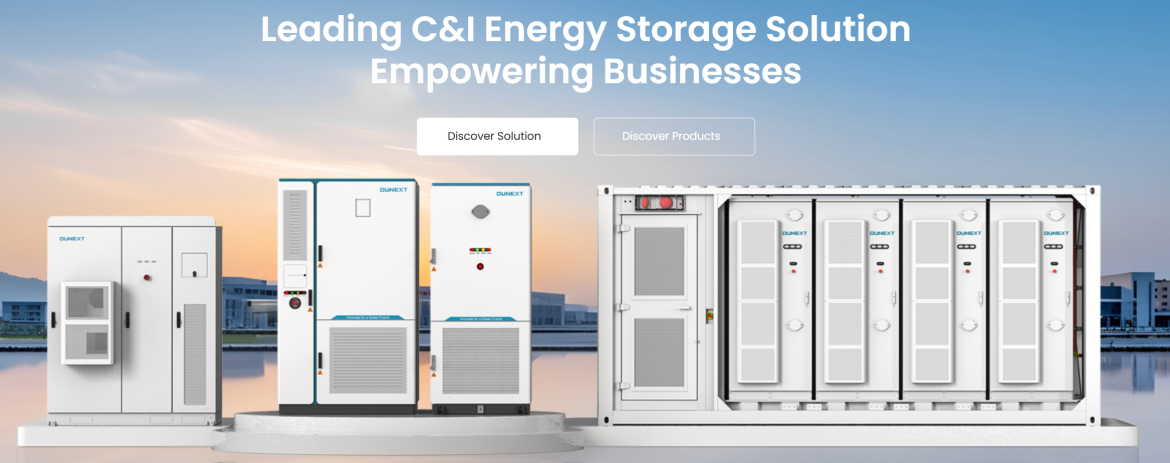
Clear opening for operators and owners
Start here: confirm who owns what after commissioning and make a simple, actionable plan for the first 90 days. For a containerized system, that means verifying physical access, communications, and the control handover for the bess container. Based on hands-on field experience integrating containerized systems on California grid projects, these first steps remove ambiguity and protect uptime.
Step 1: Verify site, safety and environmental controls
Do these checks on day one and repeat weekly for a month:- Confirm fire suppression and gas-detection systems are armed and tested.- Walk the perimeter: check seals, vents, and drainage points for water intrusion.- Validate HVAC setpoints against battery manufacturer limits and log ambient and enclosure temperatures.- Ensure emergency isolation procedures and site access lists are current and shared with local responders.
Step 2: Record baseline performance and commissioning documents
Capture baseline data now so future drift is visible:- Export and archive initial battery state-of-charge profiles, voltage curves, and inverter efficiency snapshots.- Save protection relay settings, firmware versions, and event logs to a versioned folder.- Create a one-page commissioning summary that lists contact names, escalation steps, and the time windows for warranty queries.
Step 3: Operational handover and practical training
Train the team with short, scenario-based sessions rather than long lectures. Cover:- Normal startup and shutdown steps with timestamps.- A simulated low-charge and a simulated fault to practice the exact button presses and remote commands.- How to read the event logs and which slices of data to attach to a ticket.Mention the model and configuration when communicating with vendors: it’s easier to troubleshoot when everyone references the same 5mwh bess container documentation and firmware baseline.
Step 4: Monitoring, telemetry and maintenance schedule
Set concrete monitoring KPIs and a maintenance cadence:- Telemetry health: packet arrival, latency, and checksum success rates; alert if packet loss >1% over 15 minutes.- Performance KPIs: round-trip efficiency, depth-of-discharge patterns, and inverter trip frequency.- Maintenance cadence: visual inspections monthly, electrical tightening quarterly, full BMS and balance checks every 12 months.Avoid long, vague inspection lists; use targets and timeboxes so technicians know when an item truly needs escalation.
Step 5: Fault response, escalation and troubleshooting flow
Give operators an exact playbook for common faults:- If a thermal alarm triggers: isolate the affected string, notify site safety lead, and review recent charge cycles before re-energizing.- If a communication link drops: switch to local control mode, capture the last 10 minutes of log data, then re-establish telemetry.- If a protective relay trips repeatedly: pull the latest event files, check for firmware mismatches, and limit operations until brownout/waveform causes are ruled out.Always include who to call (name and role), what logs to attach, and the maximum safe response time for each fault.
Common pitfalls and how to avoid them
Hands-on lessons to prevent repeat problems:- Overlooking enclosure airflow when nearby vegetation or temporary structures change site microclimate.- Assuming firmware parity across units; mismatched firmware creates intermittent protection events.- Relying purely on remote telemetry without a verified local readout—always confirm a local snapshot during critical incidents.
How to keep value after warranty
Plan for sustained performance: schedule periodic verification of control logic against operational objectives and keep a rolling three-year budget for cell replacements and firmware lifecycle updates. Treat data exports from commissioning as living artifacts that simplify support tickets and warranty claims.
Final synthesis
Follow a short, user-focused checklist: lock down safety and access, capture baseline data, train through scenarios, define tight monitoring KPIs, and codify fault response. Those steps cut ambiguity and reduce downtime for containerized systems, which is why experienced teams choose a clear, repeatable process around offerings like Dunext when they need dependable post-commissioning support.