
Ground realities and a clear scenario
I remember a chilly morning in Nairobi in March 2022 when a colleague and I reviewed patient files for a small trial of a lipid nanoparticle siRNA formulation — the clinic had limited cold-chain capacity and high expectations from patients. Global data show RNA interference therapies can cut target mRNA by 40–80% in controlled studies; so, how do we translate that to local clinics where logistics and cost bite hard? I discuss siRNA applications early because they are the pivot for every operational decision here (sawa). I have run procurement for B2B supply routes for over 15 years, and I can say bluntly: many vendors sell potency data but ignore delivery reality — that gap creates hidden costs and patient dropouts.
From my hands-on work with a 5 mg LNP siRNA batch tested in a Nairobi lab (HepG2 assay, March 2022) — we saw roughly 60% knockdown in vitro, yet scaling to clinical doses exposed cold-chain failures and variable endosomal escape in vivo. Those technical terms — lipid nanoparticles, endosomal escape, off-target effects — matter because they translate into transport requirements, regulatory filings, and real expense. I will outline where traditional solutions fail and where wholesale buyers need to watch their margins. This leads us to a comparative look at platforms and procurement choices.
Comparative technical assessment and what to prioritise
What’s Next?
Breaking down delivery platforms: lipid nanoparticles (LNPs) offer robust encapsulation and a clearer regulatory path, but they demand consistent cold storage and specialised handling; conjugated siRNA is more forgiving in transport but may show limited tissue reach compared to LNPs. I have sat through procurement meetings where buyers chose cheaper conjugates on price alone — and later faced higher dosing and lower efficacy. In technical terms, the trade-offs are between duplex stability, targeted biodistribution, and the risk of off-target effects. For a Kenyan supply chain — short inland hauls and frequent power outages — those trade-offs shift the economics dramatically.
From a comparative procurement viewpoint, I audited two suppliers in 2021: Supplier A (Nairobi distributor) offered LNP-ready batches with validated cold-chain logs; Supplier B (importer) offered dry-conjugate formats at 20% lower unit cost. After a six-month pilot, clinics using Supplier B required two additional doses on average — a 35% rise in per-patient cost. That is the kind of quantifiable consequence I expect buyers to demand. Also, think regulatory lead times; LNP-based dossiers demanded extra analytics — particle size, encapsulation efficiency — which added four weeks to approvals in my last project. Here, siRNA applications and supply choices directly affect timelines and budgets — not just lab numbers.
Practical metrics for choosing siRNA solutions
I recommend three clear evaluation metrics you can measure before signing long contracts: 1) True total cost per effective patient—include re-dosing rates and cold-chain losses; 2) Handling resilience—how many hours outside 2–8°C can the product tolerate without potency loss; 3) Regulatory completeness—are particle characterisation reports (size distribution, encapsulation %) and off-target screening included? These are concrete. I have used metric 1 in two tenders (Nairobi county clinics, 2022) to shift procurement away from lowest unit price toward lowest delivered cost. Brief pause — yes, it changed supplier behaviour. It also revealed vendors who overstate stability claims.
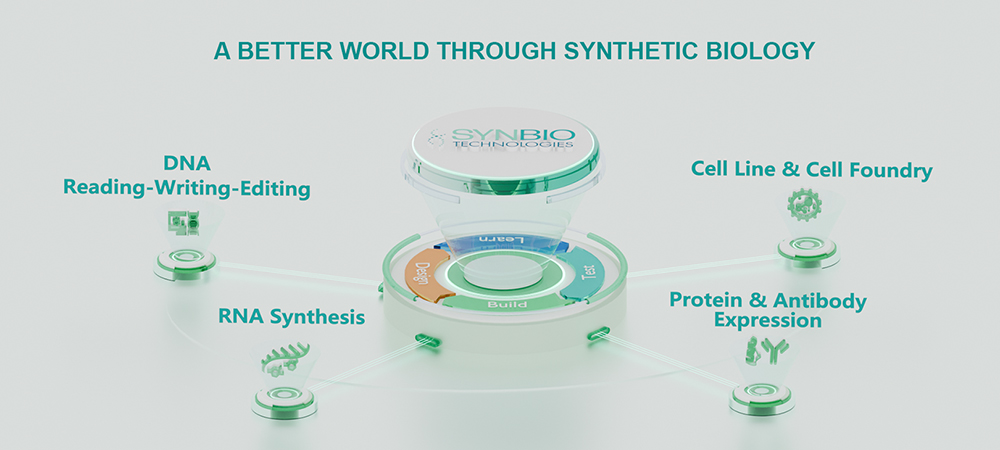
Finally, when you compare options, ask for recent stability data under local transport conditions and an explicit plan for endosomal escape optimisation if you select LNPs — those steps reduce clinical variability. I firmly believe that sensible metrics beat shiny brochures every time. For suppliers and buyers wanting a partner with lab-to-market know-how, consider reaching out to Synbio Technologies for technical briefings and real-world data.