

Introduction
You stand in the quiet before launch, bottles lined like small promises on a stainless shelf. On your desk sits a pet pump bottle, half-full of cleanser and hope. Last quarter, your return notes hinted at drift in dose and a few leaks, small numbers that still sting (because reputation travels fast). If the spec sheet says “tested,” why did the user still need three presses to prime, or a towel to wipe a sticky ring? And here’s the sharper question: is the fault in the pump, the bottle, or the match between them—an invisible hinge where quality either locks or floats free? We’ll trace that hinge together, gently, and ask what to compare beyond price and color. The next section sets the lens.
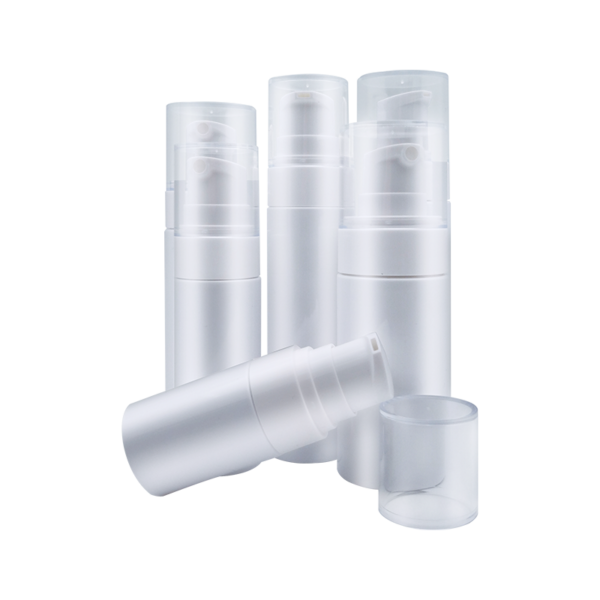
Where Traditional Choices Hide the Real Risks
Why do good pumps still fail?
When you pick a pet pump bottle supplier, it’s easy to compare catalog shots and MOQ. But the hidden load lives in the interface: a 28/410 neck finish that is two tenths out of round, closure torque drifting on your line, and a spring rate that fights high-viscosity gels. Dose feels weak, then floods—funny how that works, right? Traditional “good enough” trials often skip cross-fit tests with varied resin grade and cure time. Look, it’s simpler than you think: map stroke volume, measure valve seat recovery, and check venting under backpressure. ISBM yields matter; mold cavity variance can tilt a gasket just enough to invite a slow weep. Users won’t name actuators or valve geometry. They’ll just say, “It leaks.”
Legacy purchasing also hides run-time pain. Over-torque at capping adds micro-cracks; under-torque invites creep. Both end in returns. AQL sampling may pass, yet edge cases fail when you ship foaming formulas without a vented liner. PCR blends shift shrink rates; if your supplier doesn’t re-qualify neck caliper and thread pitch, the pretty sustainability claim can undercut seal integrity. E-commerce adds shock; without ISTA-style drop testing, the pump’s dip tube can pop, causing siphon loss and backflow. The fix isn’t magic—just aligned tolerances, viscosity windows, and clear QA gates that watch actuator fit in real time. Direct, not dramatic. And yes, it matters.
Looking Ahead: Principles That Change the Outcome
What’s Next
Forward-looking teams change the game by changing the principles. A modern pet pump bottle factory can link mold data, capping torque logs, and inline vision into one trail. Not fancy for its own sake—just traceable. CFD-like flow modeling helps tune the dispensing valve to your blend so stroke volume stays steady across temperatures. Low-friction springs reduce prime time. An anti-backflow valve seat limits drips during transport (small part, big peace). Light-weighting is fine, but only when resin rheology and gate placement keep the neck finish true. Pair that with MES feedback, and you catch drift before a pallet leaves the dock. We’re not repeating earlier cautions; we’re upgrading them—making the match between pump, bottle, and formula measurable instead of hopeful.

If you need a quick compass, use three evaluation metrics that travel well across suppliers. First, dose repeatability: target ±5% over 50 cycles with your actual formula and an aging test—presses tell stories. Second, seal integrity under stress: pass a 48-hour inverted hold at 40°C and a 1.2 m drop with no valve seep or thread creep; confirm closure torque stays within a narrow window, not just a wide spec. Third, lifecycle and line fit: 3,000-cycle endurance with no spring fatigue, plus capping torque traces that hold flat across shifts—because night shift is real. Compare these across vendors, document the deltas, and pick the partner who treats the interface as a system, not a part. Then revisit quarterly—continuous fit beats one-time luck. In practice, that’s how small promises become steady brands, and steady brands become trusted work. NAVI Packaging