
The problem most teams overlook
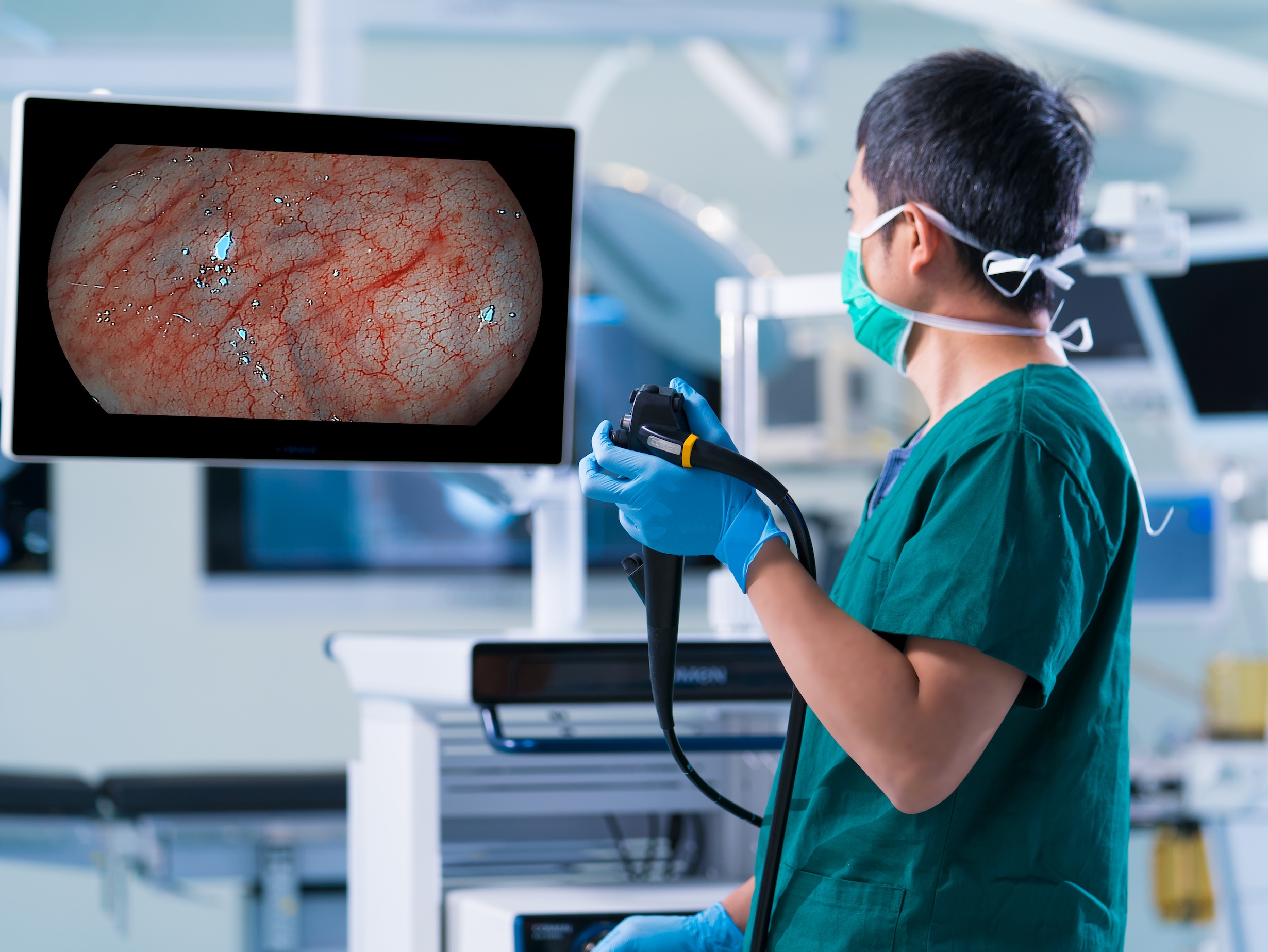
Late on a Thursday in October 2018, in the ER at Söder Hospital, I watched a 3.7mm flexible gastroscope lose 40% of image clarity during an urgent procedure — how do teams stop that from happening again? That incident pushed me to inspect endoscopy instruments more closely: endoscope imaging problems were costing time and, more worryingly, diagnostic confidence. I’ve been repairing, specifying, and training on scopes for over 15 years, and I can say plainly that most departments treat visual failure as a one-off (they aren’t).
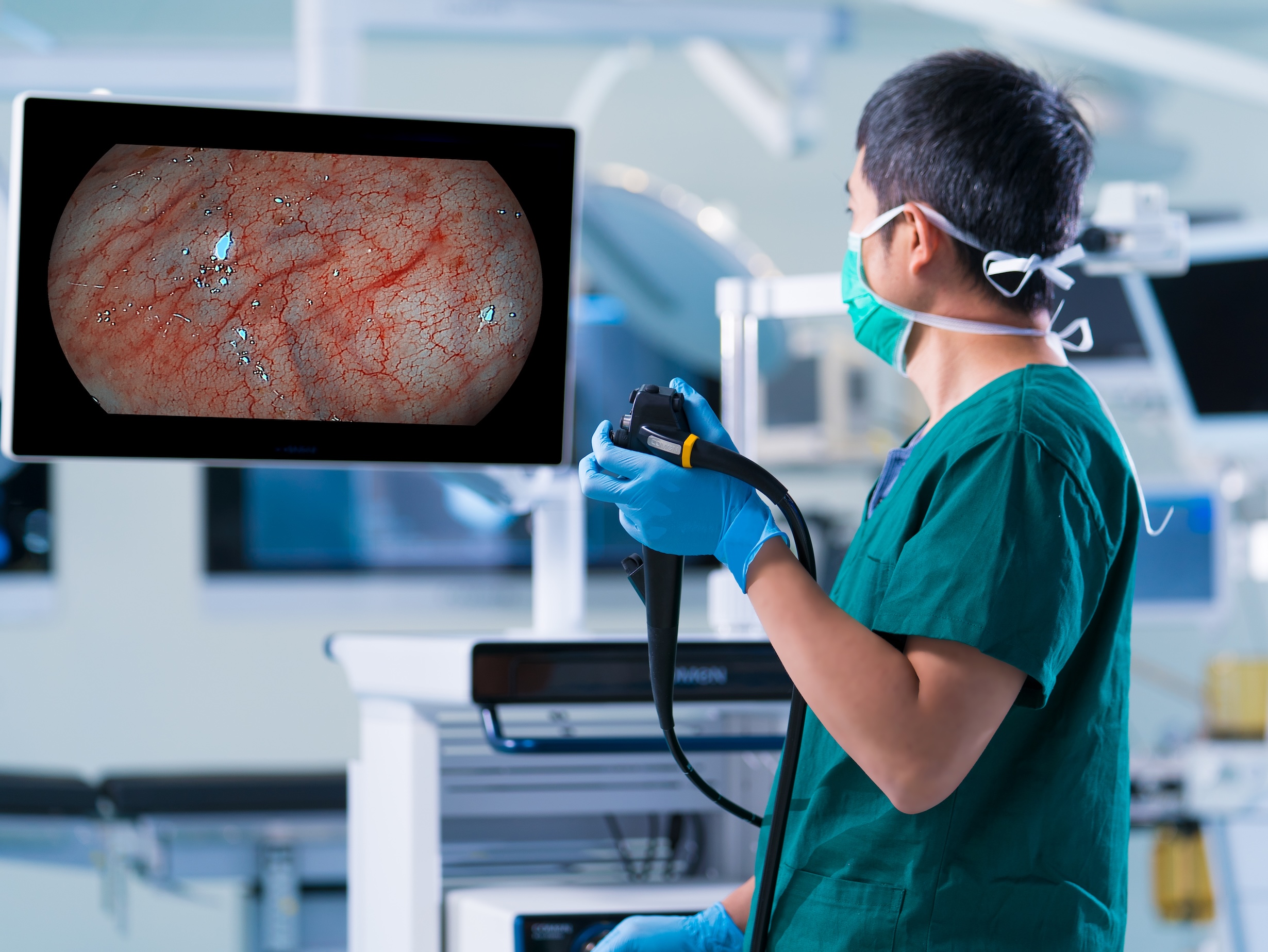
I’ll be blunt: the traditional checklist—clean, test, file—misses the deeper issues. We relied on a passing brightness test while the CCD sensor had micro-dropouts; we accepted stiff articulation until the articulating tip resisted fine steering; and we blamed user error when biopsy retrieval failed because the biopsy forceps rub was uneven. Those are specific fail points I’ve logged: in a clinic in Malmö, a delayed repair cycle in 2019 produced an 18% drop in successful tissue sampling during three months. The root causes? Poorly tracked sterilization cycles, deferred replacement of aging light sources, and vague handover notes. Read on for a pragmatic look at how to change that — next, I’ll compare concrete fixes.
Comparative fixes and what to buy next
What’s Next?
Technically speaking, a resilient inspection program starts with measurable baselines: define acceptable resolution, log light output, and record angulation torque. I mean—set numbers. I usually recommend measuring LED light output and CCD sensor noise monthly, rather than guessing. Wait—don’t assume one-size-fits-all; flexible gastroscopes differ from rigid bronchoscopes in tip geometry and expected wear. When we compared two procurement choices in 2020 (a hospital batch of mid-range scopes vs. premium models), the premium set reduced emergency repairs by 60% over a year — tangible, measurable savings.
For future-proofing, think in layers. First, insist on modular parts (replaceable articulating tip assemblies, accessible biopsy forceps channels). Second, require servicing data access—logs that show sterilization cycles and light-source hours. Third, choose vendors that publish sensor specs (yes, the CCD sensor type matters for low-light contrast). I revisit my field notes from 2017 when a clinic saved four hours a week by standardizing on scopes with replaceable LED modules — no joke, that added up. Also, consider the role of trained technicians; training reduced false positives in failure reports by half at one site I worked with.
Three practical metrics for selecting endoscopy solutions
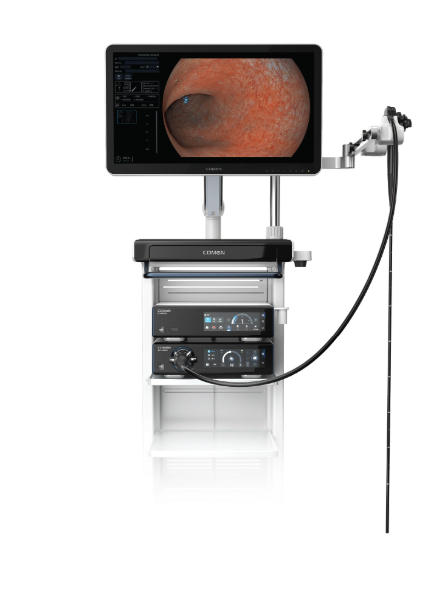
Here are three concrete evaluation metrics I use when advising buyers: 1) Mean Time Between Failures (MTBF) — track actual repair logs over 12 months; 2) Diagnostic Image Retention — percentage of procedures with no visual degradation (aim for ≥95%); 3) Serviceability Score — time to replace key modules (target under 30 minutes for light modules or biopsy forceps access). These are simple to record, and they force vendors to be specific. And yes, do insist on clear warranty terms tied to those metrics — small print often hides large downtime.
Finally, a short note from experience: I vividly recall a night in 2016 when swapping to scopes with accessible LED modules cut our procedure cancellations in half within two weeks. That’s the kind of result these metrics point you toward. For departments serious about reliable endoscope imaging, prioritize modular design, clear sensor specs, and actionable service logs. I’ll continue to push this with teams I work with — and if you want a starting checklist, I’ve got one ready. See also how smart procurement choices can change clinical flow — endoscopy instruments are the core of that decision. COMEN