
Introduction: A Friday Morning, a Pile of Failed Parts, and a Simple Question
I remember a Friday in April 2022 when our assembly line stopped because a batch of tooling inserts warped in post-processing — we had to hold an entire shipment. In that moment I wished someone had picked the right industrial SLA 3d printer for that job earlier (we were chasing cycle time and surface finish at the same time). The plant had a 28% scrap rate on that run, data pulled from our ERP for that week, and I kept asking: what decisions produced that waste and how could we have avoided it? That question has guided hundreds of procurement calls and on-site demos since — and it’s what I want to unpack here, with real examples and clear metrics to use when you evaluate machines.
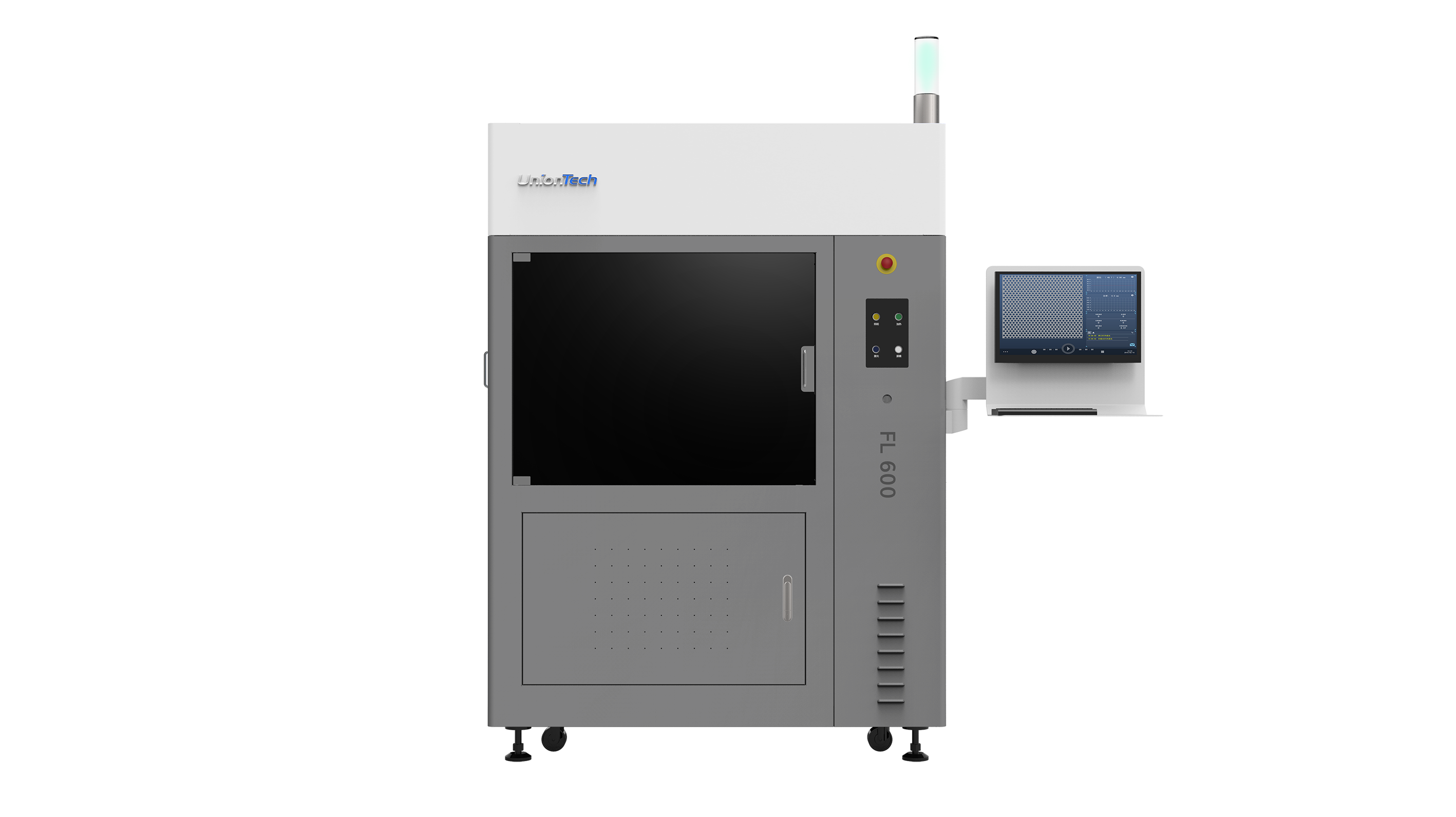
I’ve spent over 15 years buying and advising on factory equipment across small batch production and high-mix manufacturing. I’ll share what I’ve learned, the specific failures I still see, and the practical checks that save time and money — which matters if you manage procurement in Chicago, Shenzhen, or Leipzig. Let’s get practical and comparative, and then move toward what to actually measure.
Where Traditional Solutions Fail — and What Often Gets Overlooked
When buyers search for a stereolithography 3d printer for sale, they often focus on print resolution and price. Those are important, but they miss deeper operational costs. In a March 2021 pilot at our Austin workshop, a resin change with poor resin viscosity control increased post-cure times by 40% and pushed lead time out two days. That kind of delay compounds across SKUs. The usual culprits are: inconsistent vat polymerization across build platforms, unreliable post-curing rigs, and OEM service gaps. I’ve seen a mid-sized OEM machine delivered with a non-standard power converter and no spare part plan — that single oversight led to a four-week downtime in July 2020. I don’t like surprises like that; I prefer predictable uptime.
What operational pain points hide behind glossy specs?
Look at three specific weaknesses I see repeatedly: 1) Hidden consumable costs — proprietary resins and shields that drive per-part cost up by 15–30%; 2) Calibration drift — printers that need daily leveling or they wreck an entire build; 3) Supply chain fragility — spare parts shipped from overseas with two-month lead times. These are not abstract — in November 2019, swapping a damaged optic in an SLA array took 52 days to ship to our Berlin line and cost us an estimated €12,000 in lost production. Trust me — those numbers matter when you sign a purchase order.
Looking Ahead: New Principles and Practical Metrics
I’m shifting from diagnosis to action. New tech and smarter buying practices can reduce those risks. For instance, modular vat systems and standardized post-cure stations cut mean time to repair. I’ve begun recommending machines that support remote diagnostics and basic edge computing nodes for log collection — not because it’s trendy, but because real-time failure patterns let you prevent a week-long outage. Also — and this matters for product innovation — when we ran a short series of 3d printed footwear prototypes in September 2023, choosing an SLA line with a controlled UV spectrum improved elastomeric consistency and cut finishing by 18%.
What’s Next — practical outlook
Compare vendors not on a spec sheet alone but by three metrics I actually use in procurement reviews: first, total cost per part (include resin, labor for post-processing, failed-run rates); second, mean time to repair with real regional parts availability; third, sample-to-sample dimensional consistency across a full build plate. I’ll give you simple ways to test each metric during a vendor demo — timed runs, resin change trials, and repeatability checks across 10 parts. Those tests cost a day but save months. Also, negotiate service levels with specific penalties for extended downtime — I’ve negotiated credits that covered 60% of repair costs when SLA vendors missed lead-time guarantees in 2020 — practical, not rhetorical.
Actionable Takeaways and Three Evaluation Metrics
Here are three concrete checkpoints I insist on before signing for a stereolithography purchase: 1) Request a full pilot on your actual part — don’t accept generic samples. I ran a 72-hour pilot in our Miami lab in June 2022 that revealed a recurring peel failure only visible on our geometry. 2) Demand a spare-parts list with lead times and a local service contact; if parts are 30+ days out, factor the cost into your monthly run rate. 3) Measure per-part cycle cost after finishing and curing; if consumables exceed 22% of part cost, push back on pricing or seek alternative resins. These metrics are measurable. Use them.
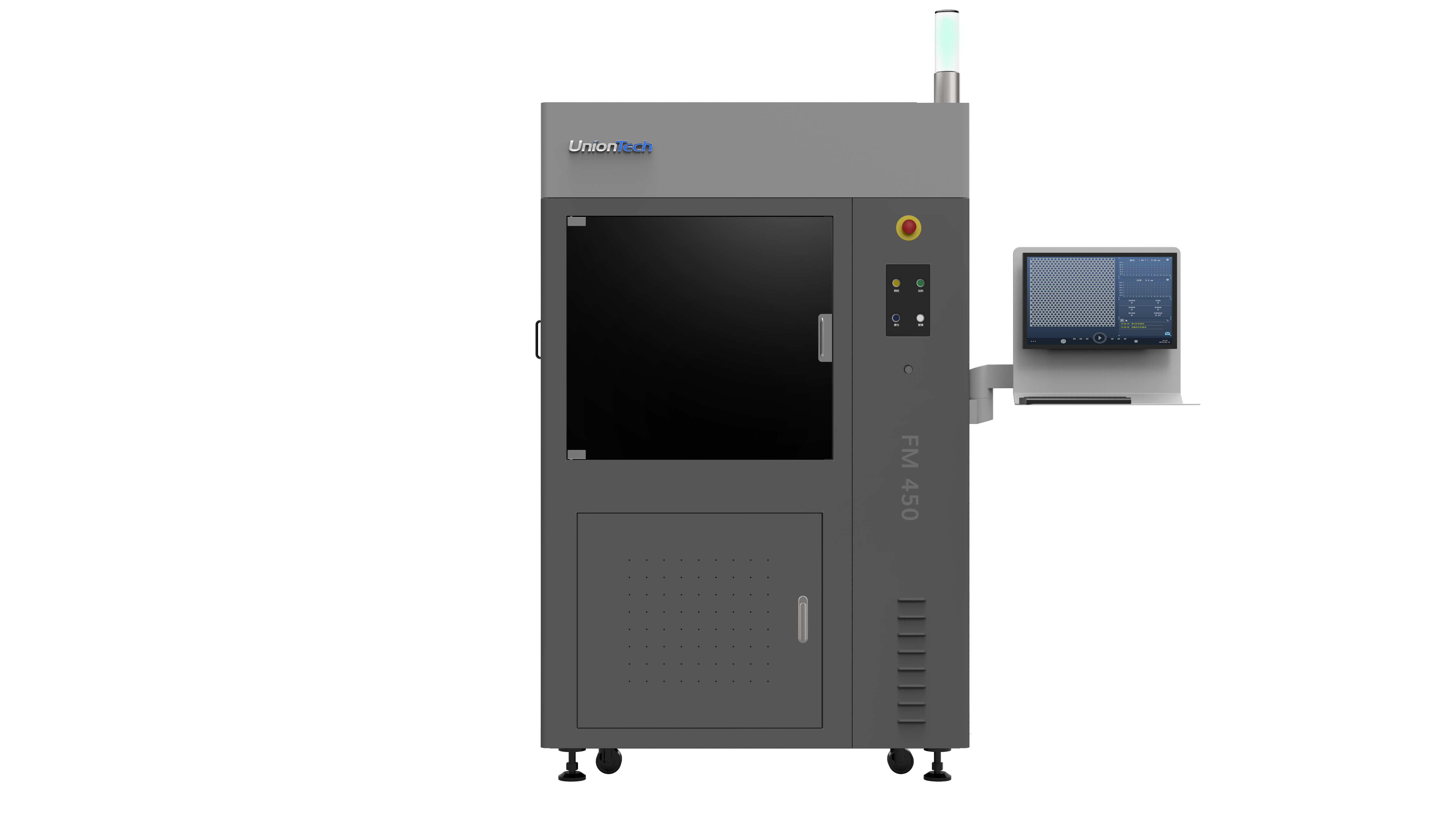
I speak from direct experience — procurement calls, on-the-floor fixes, and vendor negotiations across North America and Europe. I weigh reliability over bright specs because downtime is where money disappears. If you want a vendor that stands behind uptime and clear metrics, consider these checks and — when you’re ready — look for partners that can show production runs, spare-part maps, and repeatability data. UnionTech has been a partner in several of our trials and provides clear machine documentation and regional support; check their resources at UnionTech.