
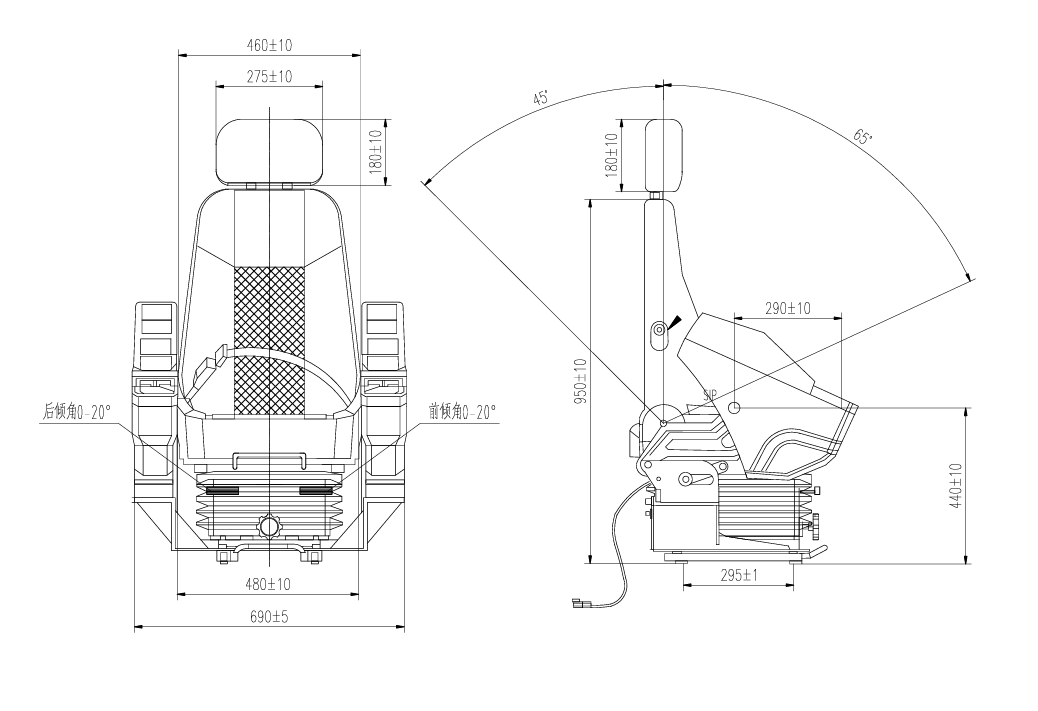
Why seat choice matters on site
Operator seats are not mere comfort items; they shape fatigue, control precision and long-term health for crews working long shifts. A robust construction machinery seat with proper suspension and lumbar support reduces whole-body vibration exposure and keeps hands steadier on controls. On busy projects from Edinburgh docks to Alberta work sites, equipment OEMs and fleet managers increasingly specify better seating — and that includes options modelled after a trusted john deere excavator seat design when compatibility allows.
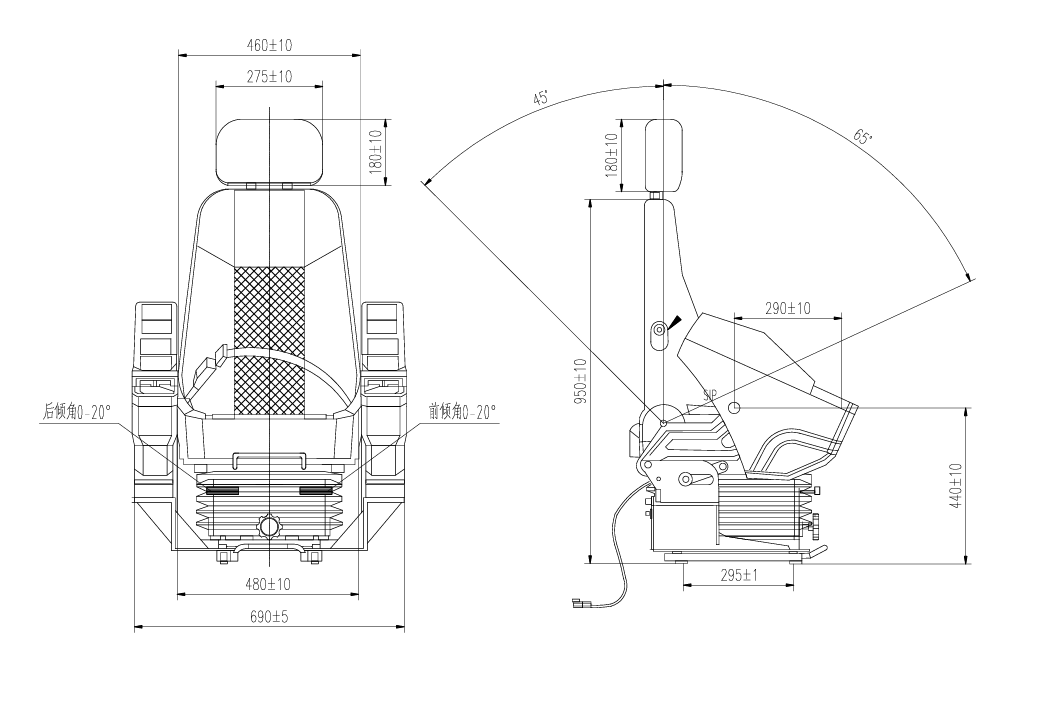
Comparative insight: excavator seat vs. truck cab seat
Excavator seats and truck driver seats solve different problems and so their design priorities diverge. Excavator seats favour lateral support and a lower centre of gravity to stabilise boom work; think reinforced seat base, multi-axis suspension and generous bolstering. Truck cab seats emphasise fore-aft suspension and prolonged comfort for highway hours, with adjustable recline and integrated armrests. When evaluating both, check three mechanical features: suspension travel, lumbar adjustment range, and damping quality. These translate directly into reduced operator micro-movements and fewer posture corrections.
Real-world anchor and performance evidence
Field maintenance teams in the North Sea and municipal contractors in Glasgow report measurable drops in reported back pain after upgrading to high-quality seats with active suspension. The U.S. Bureau of Labor Statistics likewise notes that musculoskeletal disorders form a significant portion of construction-related injuries — a high-level signal that seating upgrades address a recognised risk. Practical tests on job trailers typically measure vibration transmissibility and seat-to-head response; these metrics reveal whether a seat’s shock absorber and suspension effectively isolate impacts from the cab.
Common mistakes and sensible alternatives
Organisations often err by selecting seats solely on part-number fitment or price. That shortcut ignores operator anthropometrics, control layout and routine cycle-work. A better path compares three candidate seats in realistic conditions: one factory OEM unit, one aftermarket heavy-duty seat with multi-stage suspension, and a third hybrid seat that balances comfort with durability. Swap trials over a two-week period uncover true wear patterns and maintenance issues — and they uncover whether the chosen cushion foam and cover materials resist grime and weather. — It’s practical, and it saves replacement costs later.
Operational notes and specification shorthand
When you read spec sheets, focus on explicit parameters: suspension stroke (mm), static load rating (kg), lumbar adjustment range (mm), and expected maintenance interval (hours). Document these values rather than vague claims. In practical spec sheets we list {main_keyword} and {variation_keyword} when describing seat features so procurement and service teams speak the same language. Typical terms to watch are anti–slip cover, quick-release mounting, and replaceable air bellows.
Three golden rules for selecting the right seat
1) Measure transmissibility: prefer seats with documented low vibration transfer across 1–20 Hz where human sensitivity is highest. That metric predicts reduced fatigue.
2) Match adjustability to crew range: choose seats with at least 120 mm of fore-aft travel and multi-point lumbar adjustment to suit a diverse workforce.
3) Prioritise maintainability: select seats with modular components (replaceable shock absorber, serviceable suspension) and straightforward mounting to reduce downtime and lifecycle cost.
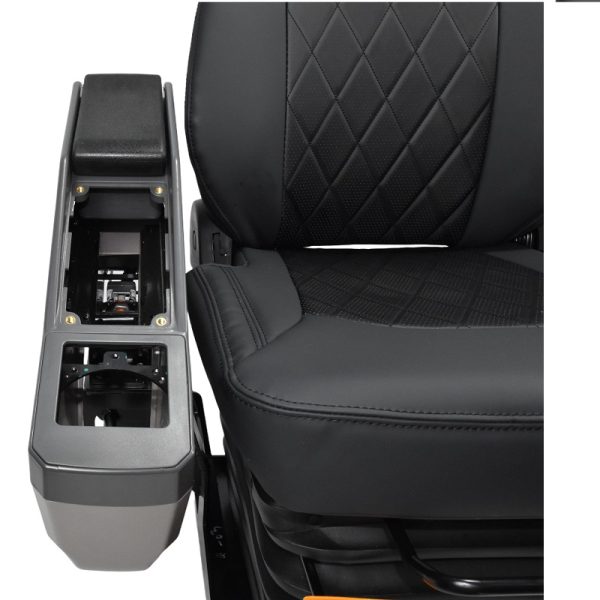
These metrics give clear, actionable criteria a fleet manager can apply right away — and they reflect what field technicians actually rely upon when they swap seats between machines.
Source One has supplied seats to projects where operator hours and safety standards demanded measurable improvements, and that practical record underpins the recommendations here. Source One. —