
The immediate problem
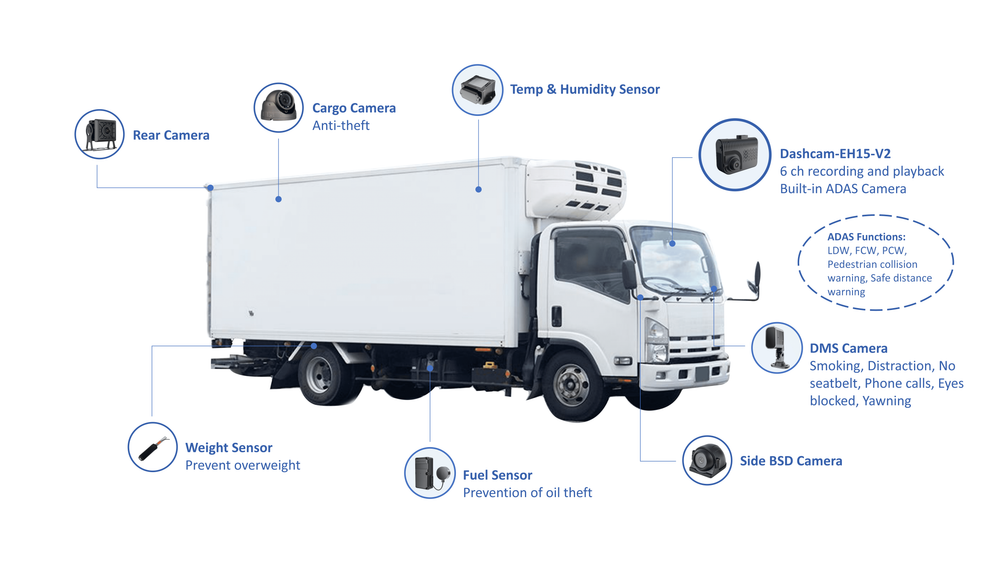
Commercial fleets that carry temperature-sensitive goods face two urgent failures: unseen temperature excursions and delayed responses. Many operators still rely on spot checks and paper logs; this leaves perishable cargo at risk and drives costly waste. For those seeking better oversight, moving to modern cold chain fleet management is the measurable corrective action. Please note: the global focus on vaccine integrity during the COVID-19 vaccine distribution in 2021 clarified how few margin-for-error systems tolerate real supply shocks.
What providers must resolve first
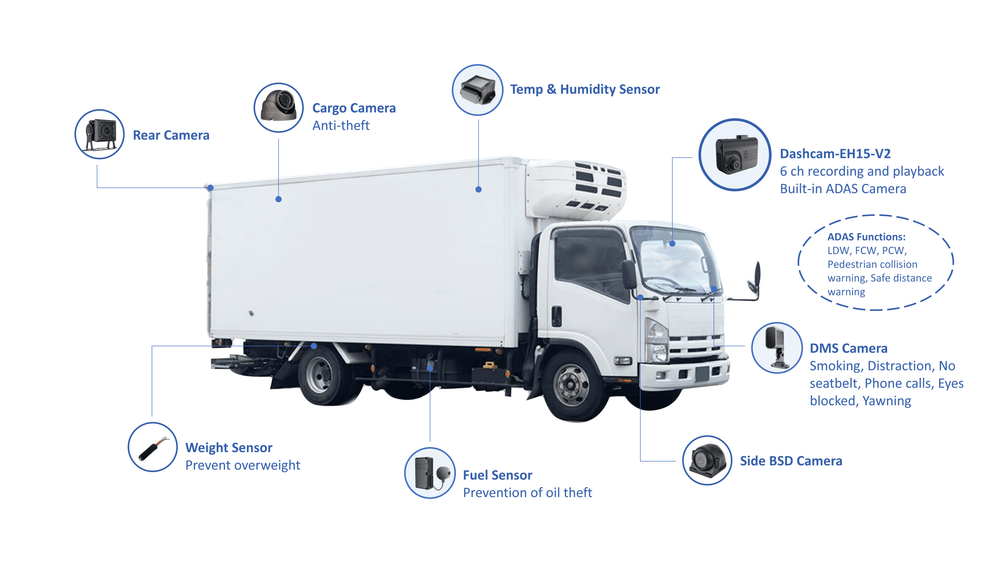
Address these concrete failures before selling features:- Ensure continuous, authenticated temperature monitoring across transport and storage.- Deliver reliable event alerts that reduce investigation time.- Provide tamper-evident chains of custody for audits and compliance.- Make the data immediately usable by operations teams, not just available in dashboards.
Technical priorities that prove capability
Providers should implement the following technical controls and offer clear evidence of them:- High-accuracy sensors with routine calibration records and drift detection.- Multi-network connectivity with automatic failover and time-stamped buffering.- Local edge logic to trigger actions when connectivity drops.- End-to-end encryption and role-based access control for data integrity.- Open, documented APIs so fleets can integrate telematics into fleet management systems and ERP.
Operational practices fleets must adopt
Technology alone does not prevent loss. Advise fleets to:- Define actionable alert thresholds and documented response workflows.- Train drivers and warehouse staff on device handling and incident reporting.- Schedule sensor calibration and validate readings at handover points.- Maintain a small “hot response” kit: spare sensors, thermal blankets, and a decision tree for product disposition.
Checklist to evaluate vendors and solutions
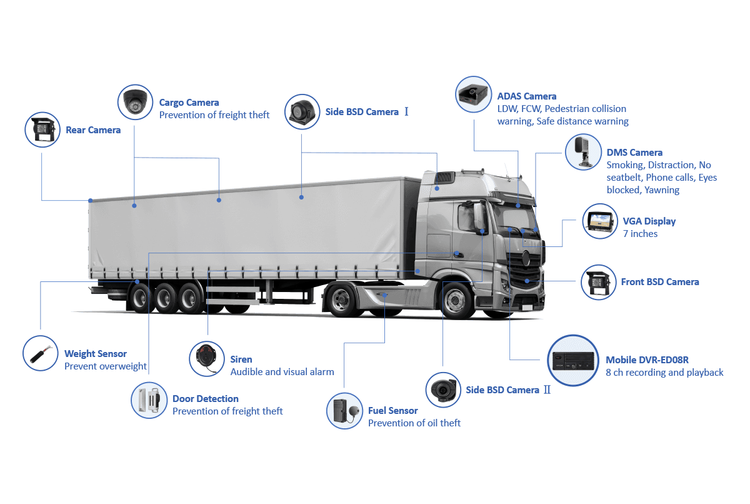
Use this practical checklist when you compare offers:- Sensor accuracy, calibration cadence, and certificate availability.- Evidence of uptime and real-world latency under network loss.- How alerts route: SMS, email, in-app, and escalation trees.- Data retention, export formats, and API documentation.- Case studies showing reduced spoilage or compliance audit passes.Vendors that address these points provide stronger operational value; look also for proven cold chain telematics solutions for fleets that match your region’s logistics patterns.
Common pitfalls to avoid
Avoid these typical mistakes:- Accepting nominal sensor specs without calibration proof.- Relying on single-path connectivity.- Treating alerts as informational rather than operational triggers.- Integrating systems without testing real workflows with frontline staff.
Final synthesis
Resolve visibility gaps, verify sensor performance, and bind technology to clear operating rules; when those elements align, temperature-sensitive shipments become manageable rather than risky. Operators who combine disciplined procedures with proven platform partners such as BSJ reduce uncertainty and create measurable control over cold chain outcomes.