
Introduction: Small Press, Big Difference
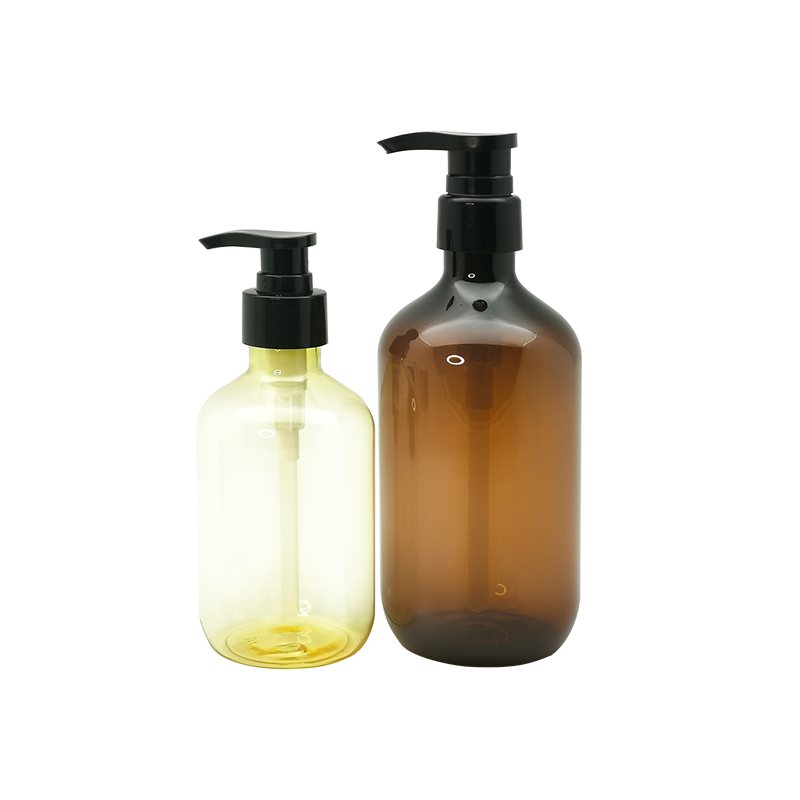
One press can make or break the experience. You grab a pet pump bottle before work, expecting a quick dose, but the pump sputters, drips, then floods your palm—alamak. In field trials for personal care packs, teams often see double-digit variance in output, and return claims cluster around inconsistent dosing and leaks. If you’re comparing options like a china pet pump bottle, the details matter: actuator geometry, viscosity match, and how the check valve resets between strokes. The question is simple: why do some bottles deliver cleanly while others feel like roulette—funny how that works, right?
We’ll unpack the gap between what users expect and what engineering delivers. Then, we’ll compare old-school fixes with newer principles that actually hold up under daily use. Let’s move from guesswork to clear signals.
Traditional Fixes, Hidden Friction
Why do leaks happen?
Many teams still chase symptoms: longer dip tubes, stiffer springs, or tighter caps. Look, it’s simpler than you think. These tweaks often mask core design mismatches. When the spring rate doesn’t fit the fluid’s viscosity, the dosage chamber can’t refill fast enough, so users “double-press” and over-dispense. If the check valve geometry leaves a tiny backflow path, air sneaks in, and the next stroke spits. Add tolerance stack-up between the actuator and closure, and you get wobble that shears the seal—micro-drips become daily mess. On shelf, these issues look minor. In steamy bathrooms or hot vans, they get loud.
Legacy thinking also assumes the bottle wall is just a container. But PET wall rigidity affects rebound and priming. A thin shoulder can flex under negative pressure, reducing chamber recovery and causing partial strokes. That’s why a “tight cap” doesn’t fix a soft rebound. Likewise, using a generic nozzle bore for every formula ignores drool risks in low-visc gels. The result? Users twist, shake, and press harder, which raises torque loads and accelerates wear on the actuator stem. The loop feeds itself—and QC only catches the extremes. The right fix sits deeper: match flow path, closure torque, and valve design to the fluid and use case.
Comparative Tech: From Old Springs to Smart Seals
What’s Next
The forward path isn’t magic; it’s better physics applied with cleaner production. Newer pump heads use dual check valves to cut backflow and stabilize priming, plus tuned flow channels that lower shear on viscous creams. Airless options move the job away from ambient air entirely, improving dose repeatability and shelf hygiene. In materials, switching to rPET with controlled IV (intrinsic viscosity) stabilizes wall stiffness, so the bottle doesn’t “inhale” under rebound. On the line, a modern pet pump bottle factory uses machine-vision gate checks, inline leak testing, and torque profile monitoring to keep variation tight—funny how a few cameras and sensors make everyone’s day easier, right?
Compared to legacy builds, these principles scale. You get steadier dose per stroke, fewer “first-press fails,” and less drool after release. Practically, that means fewer returns, cleaner counters, and happier hands. Summing up the lessons: ergonomics start at the actuator, reliability starts in the dosage chamber, and consistency starts with process control (not just a thicker spring). To decide what to buy or spec next, use three simple metrics: 1) Dose accuracy at 10/50/90th percentile across 1,000 cycles; 2) Leak rate after thermal cycling and four-foot drop, cap-on; 3) Breakaway and application torque stability over time. If your short list passes these, daily life gets smoother—and just like that, the “one press” promise holds. NAVI Packaging