
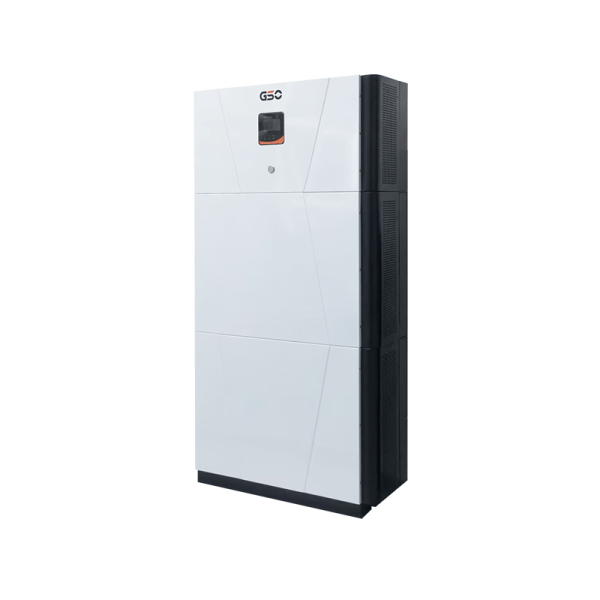
The problem households face
Electric bills climb when peak rates hit. Outages threaten work and comfort. Utilities now push time-of-use pricing and demand charges, which hit commercial-style bills even for some homes. A smart solution ties solar and batteries into responsive systems — think all in one storage architectures that switch from passive backup to active grid partners.
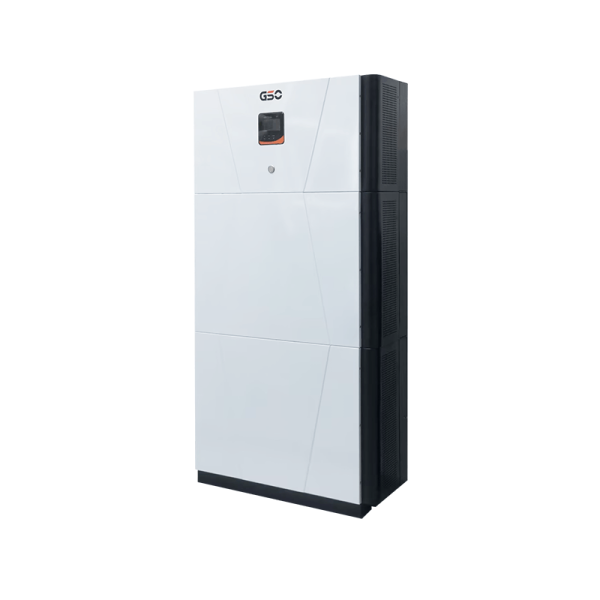
Why architecture changes outcomes
Not all battery systems act the same. A system wired only for backup sits idle most of the day. A grid-interactive design uses a battery inverter and a battery management system (BMS) to do peak shaving and grid support. That reduces demand charges and cuts hours on expensive grid energy during time-of-use (TOU) peaks. The result: faster payback and better uptime.
Real-world anchor: policy and market shifts
Look at California: the duck curve and NEM reforms pushed owners and installers to rethink control strategies. Utilities there raised the value of shifting load away from evening peaks. That change made battery-backed, grid-interactive deployments far more valuable than simple backup boxes.
Three practical whole-house architectures
Choose the right topology for the site. Common paths include:
– AC-coupled hybrid: easiest retrofit for existing solar, offers reliable backup plus peak shaving.

– DC-coupled stacked PV systems: efficient when you add panels and batteries together; lower conversion losses.
– Hybrid with bidirectional inverter: supports export control and advanced grid services for revenue streams.
Common mistakes: undersizing for peak windows, ignoring firmware-based control, and mixing incompatible communication protocols. Installers who skip control strategy waste both battery cycles and value — and that shows up in ROI.
Sizing and control: make peak shaving work
Sizing begins with the peak event you want to shave. Most homes see short, high peaks — aim to cover the top 1–3 hours with usable battery capacity. Pair that with a control policy that prioritizes demand reduction over full daily cycling. Use a battery inverter with configurable discharge rates and let the BMS enforce safe depth-of-discharge limits.
Cost drivers and ROI levers
Hardware is one part of cost. Software and control strategies move the needle on ROI. Time-of-use rates and demand charges determine value per discharged kilowatt-hour. In markets with high evening peaks or where outages are frequent, the economic case tightens quickly. For many projects, the break-even comes from avoided peak charges and extended solar self-consumption — not just backup value.
Alternatives and integration notes
If you already have panels, an AC-coupled retrofit is often the cleanest path. New builds benefit from DC-coupled, stacked PV designs for higher round-trip efficiency. Consider integration with home energy management systems and EV chargers; coordinated loads reduce needed battery size. Also, solid telemetry and firmware updates matter — systems age differently when they get smart updates.
Design checklist before you sign off
Follow a practical checklist:
– Map peak windows and meter data for three months.
– Size battery for peak shaving hours, not just total daily use.
– Specify inverters and BMS with export and islanding controls.
– Confirm firmware update path and remote monitoring.
Installers who treat controls as hardware — and not as an afterthought — close projects with better client satisfaction. — Keep commissioning tight, and log initial cycles for fine-tuning.
Three golden rules for evaluation
Use these metrics when you compare systems:
1. Peak reduction capacity (kW): How many kilowatts can the system cut at once during your peak window?
2. Usable energy for peak hours (kWh): How many hours of meaningful discharge does the system practically deliver at that reduction level?
3. Control maturity: Does the platform support scheduled peak shaving, TOU awareness, and remote firmware updates? Reliable controls multiply hardware value.
For contractors and homeowners balancing uptime, cost, and long-term value, that mix points directly to integrated solutions from manufacturers who back both hardware and software — and for many projects that balance is where gsopower fits.
Smart choices. Real savings. Better uptime.