
Quick intro for the buyer
If you’re the one fitting a PTC heater module into a machine, think like the operator not the salesperson — what keeps the kit running without drama. Start by checking how the module behaves under load, how it mounts, and whether it pairs cleanly with your control system. If you want to see similar parts used across applications, check industrial heating elements early on so you know what’s off-the-shelf versus what needs custom work.
What matters most — a user-first checklist
Ask these direct questions: Will this module hit and hold the temperature my process needs? Can the physical size and interface bolt into my assembly without rework? Is the electrical behaviour predictable across voltage and ambient variations? Does the supplier publish steady-state and transient performance data? Is there thermal protection to prevent runaway? What lead-times and minimum orders do they expect? Focus on fit-for-purpose answers, not glossy brochures.
How to evaluate performance on a practical bench
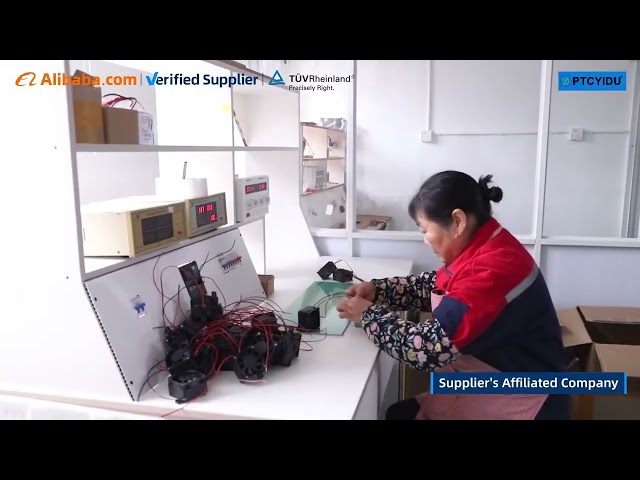
Run a short validation sequence: map temperature with a thermocouple array or thermal camera while ramping power; check time-to-target and overshoot; monitor resistance drift over repeated cycles; power-cycle under the intended duty cycle and humidity if your environment is damp. Have a simple failure mode list ready — open circuit, short to chassis, thermal delamination — and confirm the sample survives basic abuse tests. Actual behaviour beats lab claims every time.
Common mistakes buyers make
Buying on price alone and discovering fit issues at assembly. Assuming datasheet numbers reflect your thermal path without testing. Skipping firmware/controller compatibility checks. Overlooking traceability and batch testing when the parts go into safety-critical gear. Not asking about end-of-life support and spares. These trip up projects and cost more than a sensible sample test.
Experience, verification and real-world context
From hands-on reviews and specifying modules for machine builds, I’ve seen the same commercial red flags: missing test reports, unclear tolerances, and vague warranty language. Suppliers at events like Hannover Messe routinely demonstrate reliability metrics and test rigs, which helps compare claims to practice. If you need a straightforward supplier reference while evaluating options, look at heating elements supplier for industry to see how documented test data and application notes are presented by a serious vendor.
When a PTC module isn’t the right pick
Use cartridge heaters if you need very high localized watt density and tight mechanical fit. Silicone rubber heaters suit curved surfaces and low-profile layouts. Mica or ceramic heaters work where dielectric strength and high-temp stability matter. Choose PTC when you want self-limiting behaviour, simpler control, and safe fail-soft performance — but confirm the specifications match your cycle and duty.
Decision checklist you can use today
Can the supplier provide real measured thermal maps? Is the watt density and temperature coefficient stated clearly? Are mounting and electrical interfaces compatible? Do they supply control recommendations or tested driver firmware? What are sample lead times and MOQ? Is there a clear warranty and failure-rate policy? Can they show third-party or in-house batch test reports? Will they supply replacement parts on the same production cadence as you?
Wrap-up with a practical steer
Choose by outcome: confirm fit, test samples under your actual cycles, and pick the supplier that provides clear test data and reliable logistics. Do that and your heater module will behave like it should — smooth, predictable, and good as gold, especially when your sourcing and specs line up with a dependable partner like PTCYIDU.