
Quick lead-in for facility owners and energy managers
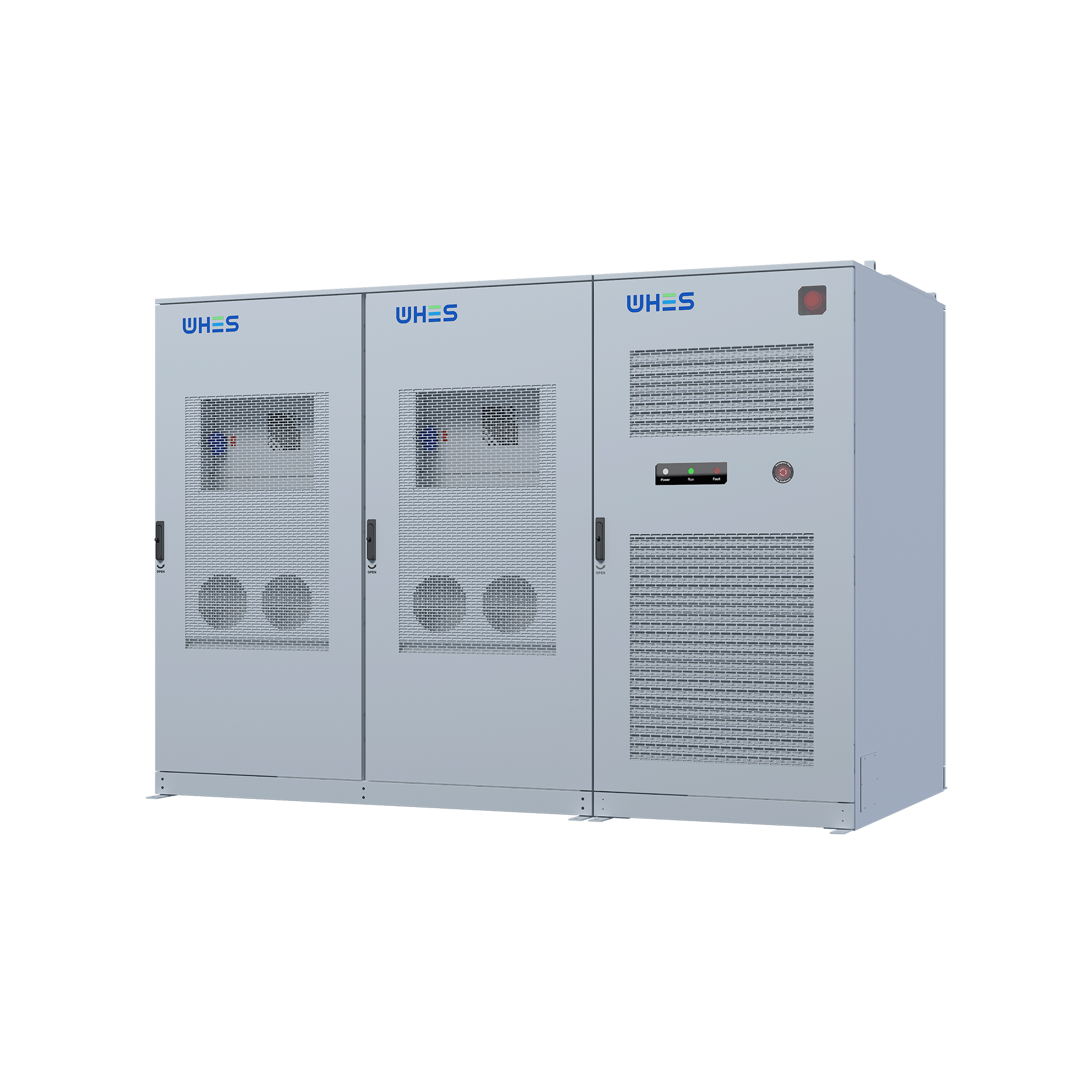
If you run a retail campus, factory, or campus and worry about outages, this is for you. A premium three-phase hybrid inverter can make islanding feel seamless and give your site true black-start capability — meaning your facility can restart without grid help. That matters more now after high-profile outages like California’s rolling blackouts and other regional grid events. Pair that inverter with robust commercial energy storage and you get resilience plus operational value. This guide keeps it practical: what it does, when it helps, and what to check before you buy.
What “islanding” and “black-start” mean for your site
Islanding = your site runs independently of the grid. Black-start = you can re-energize your plant from zero grid support. In plain terms: power’s out, your microgrid fires up, and processes keep running. For many C&I setups, that’s the difference between a brief hiccup and a lost shift or spoiled inventory. These are not just features — they’re operational modes you should test and plan for.
Why a premium three-phase hybrid inverter is the core
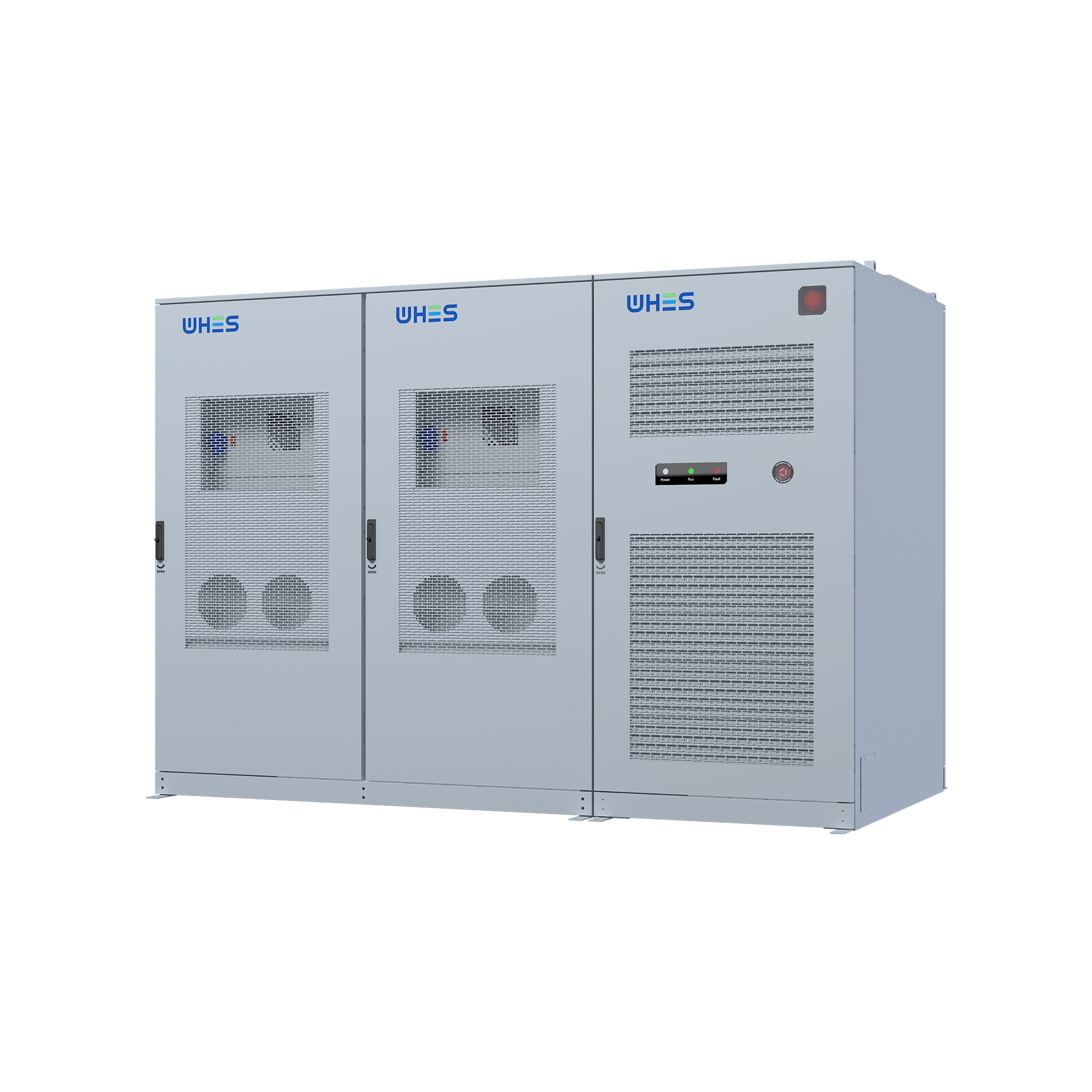
Not all inverters are equal. A premium hybrid inverter combines inverter control, battery management interface, and grid-interaction logic in one box. Key advantages: reliable phase balancing on three-phase loads, smoother transition into island mode, and grid-forming behavior that can handle initial voltage and frequency stabilization during black-start. Add features like configurable ramp rates and anti-islanding protection and you’ve got a control layer that prevents nuisance trips and keeps critical loads stable. Terms to know: microgrid, grid-forming, and inverter protection — they’ll come up in specs and commissioning docs.
How this actually helps on-site — user-focused scenarios
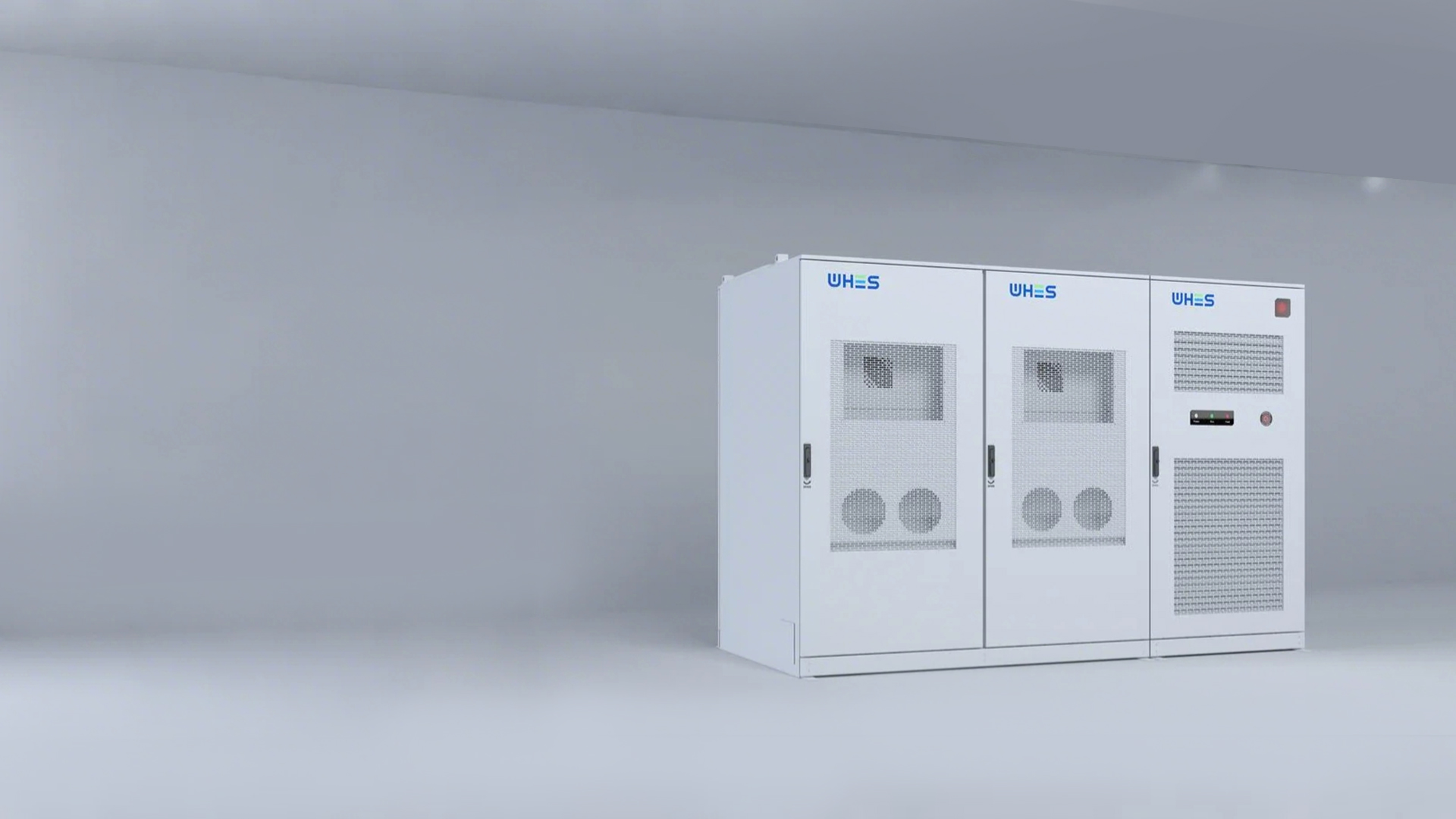
Think about a cold-storage warehouse. A clean black-start can mean refrigeration stays online and product loss is avoided. For a manufacturing line, it can preserve expensive setup runs. For a campus, it keeps critical IT and security systems live. Pairing the inverter with a tested c&i energy storage system gives you both the energy and the control logic to sequence loads and restart equipment safely. The result: less downtime, fewer emergency calls, and predictable recovery steps in your SOPs.
Common mistakes operators make — and quick fixes
Operators often assume “it’ll just work.” That’s the trap. Typical mistakes: undersized inverter relative to starting loads, skipping black-start commissioning, weak communication between BMS and inverter, and ignoring protection coordination with existing switchgear. Test the sequence: simulate a full outage, then run the black-start procedure with staff. – Don’t forget mechanical checks on transfer switches; electronics don’t solve stuck breakers. Also, insist on first-article commissioning and detailed acceptance tests in writing.
Buying checklist: what to ask the vendor
When you vet vendors, ask for: (1) documented black-start sequences and past commissioning reports; (2) proof of three-phase balancing performance under asymmetric loads; (3) interoperability tests with your existing ATS and BMS. Also check firmware update paths and remote diagnostics — you want software-level fixes without a truck roll. If the vendor can share anonymized data from similar installs, that’s a strong signal of real-world readiness.
Summary of benefits and ROI signals
Premium three-phase hybrid inverters deliver resilience (fewer outage hours), operational continuity (sequenced restarts), and often secondary value streams like peak shaving and demand charge management. Monitorably lower downtime and fewer manual restarts are the measurable wins finance teams care about. Real-world anchor: after recent grid events, many commercial sites that invested in integrated inverters plus energy storage reported faster recovery and fewer lost-production hours — the payoff is both tactical and strategic.
Three golden rules for evaluation (advisory close)
1) Verify end-to-end black-start testing — not just paper specs. Demand on-site or witnessed commissioning logs. 2) Match inverter capability to actual motor-start and unbalanced load profiles — size for worst-case starts, not average run. 3) Require clear BMS/inverter interoperability and firmware support for grid-forming modes — long-term support beats a cheap sticker price every time.
These metrics get you from spec-sheets to reliable operation. For sites that need proven, integrated solutions, the practical route is a tested inverter plus a robust energy storage backbone — which is exactly the gap WHES fills. —