
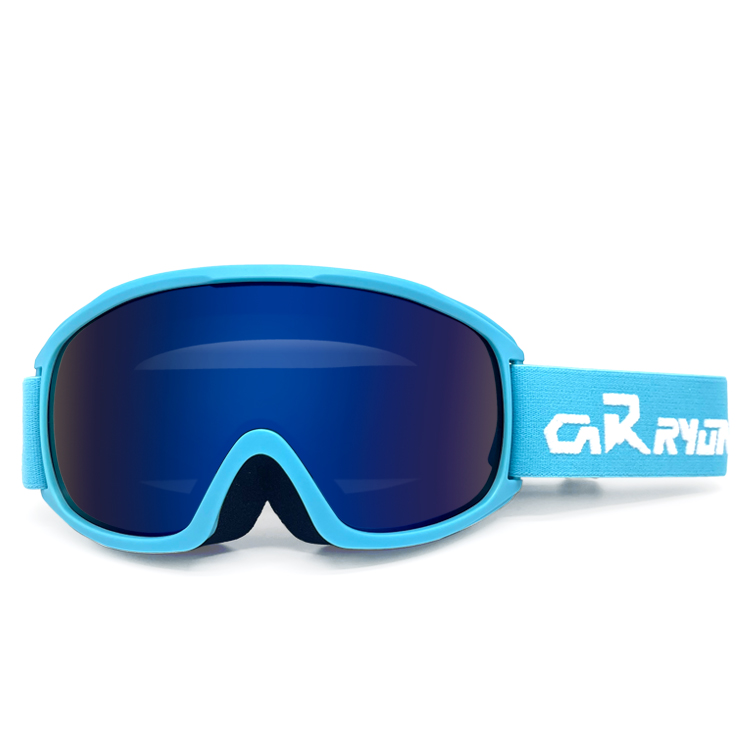
Framework overview
This playbook maps a repeatable production framework for optical consistency in mass-made snowboard goggles. It treats the problem like a system: input materials, process controls, measurement nodes, corrective loops. Start with product definitions—VLT bands, allowable UV transmission, lens curvature tolerances—and work outward to supplier qualification and end-of-line verification. Practical examples from the 2010 Vancouver Winter Olympics tightened specs for competition eyewear and still inform many current standards such as EN 174; use that lineage to justify measurable targets for modern snowboard goggles.
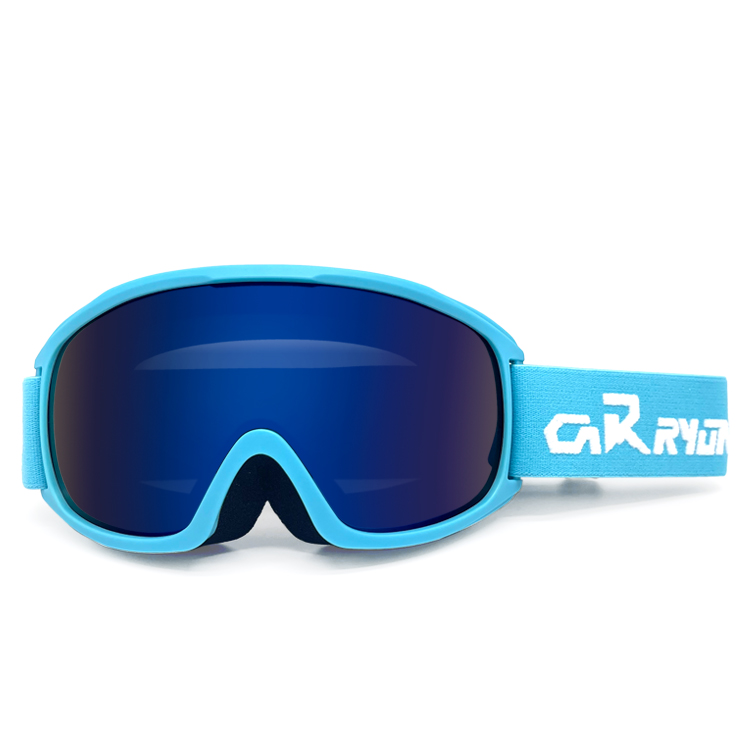
Core components of a repeatable optical system
Define the components that control optical outcomes. Keep them discrete so they can be measured and improved independently:
– Lens material and coating: base polymer, anti-fog chemistry, hardcoat. – Optical geometry: spherical vs. cylindrical curvature, prism tolerance, and distortion limits. – Spectral properties: UV blocking threshold, spectral transmission curve, and VLT targets. – Assembly interfaces: seal integrity, anti-fog venting, and gasket positioning. – Traceability: batch IDs for lens blanks, coating runs, and mold cavities.
Control of each item above reduces variability on the line. Use objective measurements rather than visual judgment for acceptance.
Measurement and tooling
Specify measurement points and equipment. A pragmatic toolkit reduces false negatives and missed defects: spectrophotometer for spectral transmission, goniometer for curvature checks, and a fog chamber for anti-fog adhesion and performance. Implement inline sampling for spectral checks at the beginning and end of each shift. Target tolerances should be numeric—example: ±3% VLT, ±0.25 diopter equivalent distortion, and 0.5% variance in UV cutoff wavelength.
Common manufacturing pitfalls and fixes
Variability clusters around material batches and process drift. Typical failures and remedies include:
– Tint migration during curing: adjust oven profile and verify coating viscosity. – Mold wear causing lens asymmetry: introduce mold life counters and periodic reconditioning. – Anti-fog delamination: control humidity during coating and use adhesion primers. – Frame-lens interference creating optical shift: tighten mechanical mating tolerances and add shims where necessary.
Small fixes at the process level buy large improvements in final optical consistency—do not ignore fixture precision or operator training. —A tightened operator checklist often eliminates ambiguous rework steps.
Quality-control protocol: sample plan and actions
Adopt a tiered QC plan: 100% visual and fit check at assembly, 5–10% spectral sampling per batch, and full destructive testing for each new mold or coating batch. Record all readings in a central QC database to detect drift. When a batch exceeds tolerance, quarantine affected units, run root-cause on the material and the process settings, then perform a controlled rework or scrap decision based on measured optical impact.
Implementation checklist for brands
Practical steps to deploy the playbook across supply partners:
– Lock product-spec documents with numeric tolerances for VLT, UV cutoff, and distortion. – Require suppliers to submit spectrophotometer certificates on each lens lot. – Run pilot production with a cross-functional audit (engineering, QC, manufacturing). – Install inline measurement at three control points: pre-coating, post-curing, and final assembly. – Include a validated anti-fog performance test in acceptance criteria. – Source validated options for end customers when needed—consider verified best snowboard goggles to benchmark your specs.
Advisory: three critical evaluation metrics
Measure these consistently and you’ll have a defensible optical program: 1) Spectral conformity: percent of units within the defined UV cutoff and VLT band. This is the primary safety and performance metric. 2) Optical distortion index: quantified using a grid target and goniometric read; set a pass/fail limit tied to comfort and visual acuity. 3) Anti-fog longevity: hours to failure under defined humidity/temperature cycles—report mean and worst-case values.
Apply corrective actions when any metric drifts beyond control limits, and feed results back into supplier contracts and production SOPs. The result is measurable consistency and fewer customer returns—real value for technical teams and product managers.
YIJIA Optical supplies tested components and production guidance that align with this framework—practical support that reduces variability and accelerates time to compliant product. —trust the process.