
Kickoff: Why Your Rooms Still Sound Like a Lobby
Here’s the hard truth: most meetings don’t fail because people talk too much; they fail because no one can hear well. A wireless conference system is in the room, lights are on, gear looks pro—but voices still clip, echo, or drift. If your wireless conference microphone feels like a coin toss, you’re not alone. Across enterprise audits, audio glitches sit in the top tier of meeting blockers; dropouts, bad gain, and shallow pickup pile up. So why does a setup built for clarity still sound muddy?
Let’s break it down like a raid strat: small latency budget, busy RF spectrum, and weak beamforming can turn clean speech into noise. Packet loss? That’s the silent killer. And yet, you keep adding more gear (more power converters, more hubs) hoping it fixes the baseline. It doesn’t—funny how that works, right? The data is blunt: hybrid rooms expose every weak link. Question is, where do you tune first so people stop saying “Sorry, say that again?” That’s where we go next.
Deep Dive: Hidden Pain Points That Derail Wireless Mics
Where do legacy mics trip up?
Let’s get technical. Most rooms don’t fail at the mixer; they fail at the mic edge. A handheld or boundary unit without smart antenna diversity is easy prey for reflections and crowd movement. The DSP chain then tries to rescue the signal with aggressive noise gating, which cuts syllables. Add a mis-set gain staging and you’ve got distortion plus listener fatigue. Look, it’s simpler than you think: start by mapping your RF front-end and your room’s absorption. If either is off, you’re stacking problems.
Traditional fixes mask the root cause. More compression? You squash dynamics. Wider pickup? You grab HVAC rumble. Older receivers that don’t adapt to local interference drop packets the moment someone opens a laptop hotspot—boom, intelligibility gone. And here’s the kicker—most teams chase “more volume” instead of tracking time alignment between speakers, echo cancellation, and mic-to-speaker distance. That delay smear you hear isn’t magic; it’s poor synchronization. Tighten the pipeline, then your dynamics feel natural again — and that’s the trap many miss.
Next Moves: Comparing Old Habits to New, Smarter Chains
What’s Next
Forward-looking systems shift the work to the edge. Instead of pushing raw audio upstream and praying, modern mics run on-device beamforming, packet loss concealment, and adaptive EQ. That means the room solves the problem before it hits the cloud. Compare that to legacy flows: they depend on central DSP to clean messy inputs. New chains split the load across edge computing nodes and low-latency receivers, so your latency budget stays tight and stable. Think OFDM-style robustness, tighter channel bonding, and auto RF hopping that learns. It’s not hype—just better math.
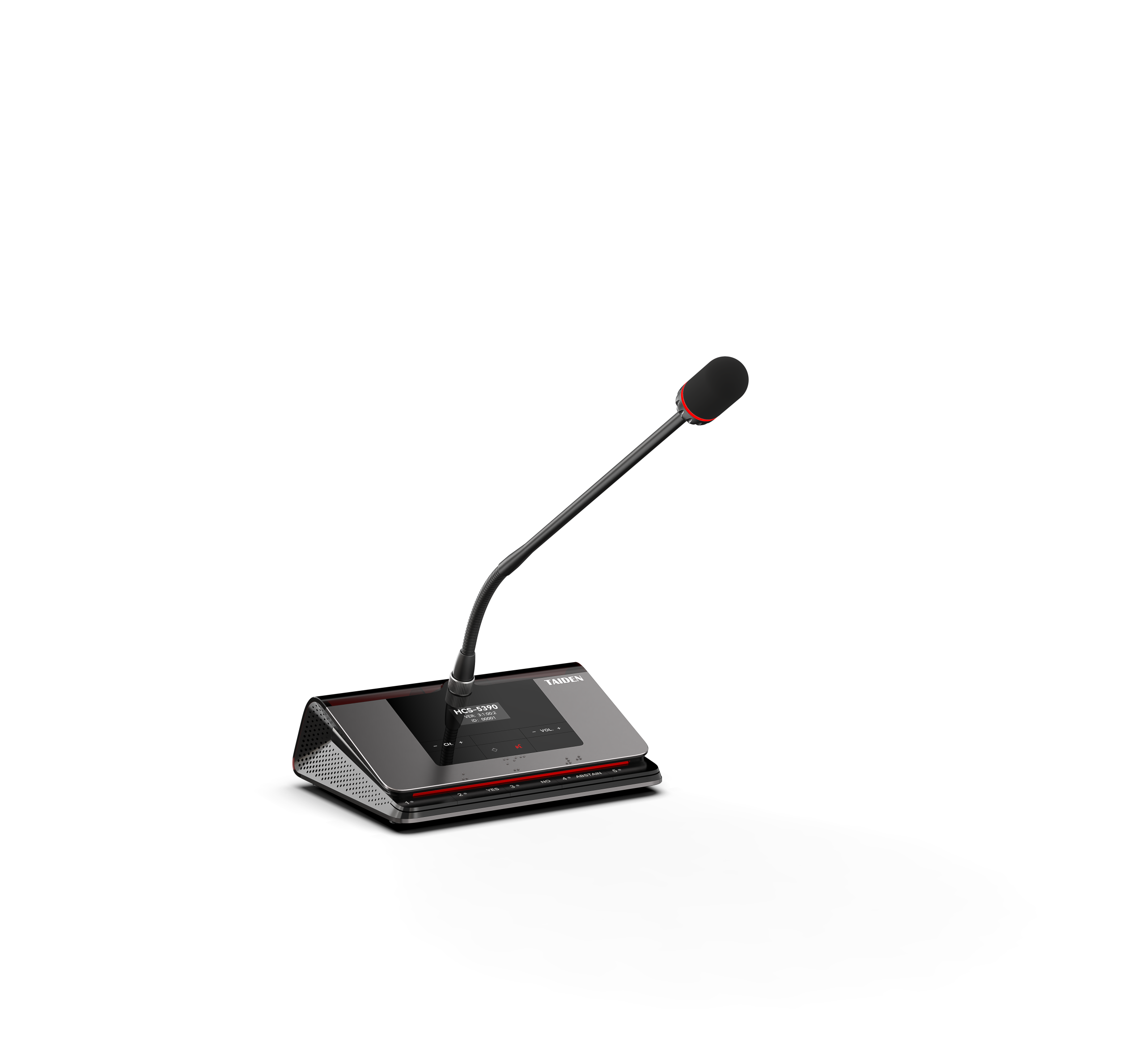
Case in point: a boardroom moving from broad cardioid mics to a tuned array plus a wireless gooseneck microphone system with beam steering. The result is less spill, fewer open mics, and higher gain before feedback. Add AES-grade encryption and spectrum analytics and you get fewer mystery dropouts. Old habit: set once, forget it. New habit: log RF, track battery cycles, and auto-stage profiles per room mode (briefings, panels, workshops). Short story: you reduce user fiddling while increasing speech clarity—funny how less touching equals better sound, right?
Let’s make it practical. When you compare systems, use three metrics: first, end-to-end latency under a human comfort threshold—keep it under a tight limit so talkbacks feel instant. Second, interference resilience with real RF logging and antenna diversity, not just a checkbox. Third, lifecycle health: battery chemistry, charge cycles, and fast docking that doesn’t cook cells. If those three line up, everything else (integration, aesthetics, control panels) falls into place. That’s the road from mic chaos to calm, repeatable rooms—anchored by choices that respect physics and people. TAIDEN