
Introduction: A Moment on the Line
I was on a shop floor once where a single clogged inlet shut down an entire shift — morale tanked, deadlines slipped. In that crowded corner, the need for reliable fume extraction for electronics and industrial applications was obvious: soldering fumes and strong solvent smells hung in the air like bad promises. (We all breathe the consequences.)
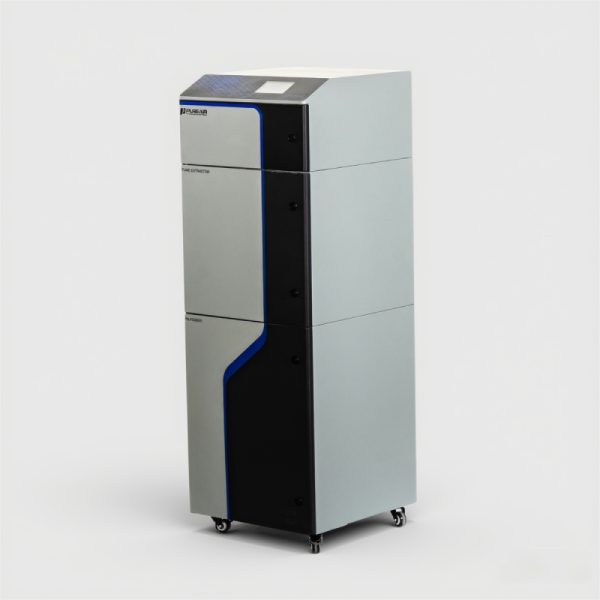
Here’s the scene: a mid-sized electronics shop running three shifts, 40% of workers reporting eye irritation, and production loss adding up to days each month. Those numbers snap you awake. Where do you start when extraction systems don’t do the job? How do you keep the line moving without sacrificing health or quality?
I want to walk you through the real faults I’ve seen on electronic lines and the fixes that actually stick. Think of this as a short, energetic training session — push hard, recover smart. We’ll unpack the common failures, the hidden pains operators live with, and the practical upgrades you can test this week. Ready? Let’s move to the core problems next.
Part 2 — What’s Breaking on the electronic production line (and Why)
I’ve spent years examining systems on the electronic production line, and the pattern is clear: traditional setups are patched, not designed. Filters are swapped like bandaids. Fans are oversized, then throttled. Local exhaust ventilation looks good on paper but fails at the workstation where engineers actually solder. Look, it’s simpler than you think — operators win or lose at the bench.
Technical reality: many designs underestimate airflow rate needed to capture soldering fumes right at the source. Hoods are too high. Ducting runs are long and full of bends, which kills suction. HEPA filters get blamed, but often the real issue is poor capture geometry and pressure drop across the system. I’ve seen shops replace filters monthly while ignoring a leaky hood seal — the symptoms change, the problem stays the same.
Why aren’t operators happy?
Because discomfort is constant. Workers mask up, open windows, or lean away from the plume — none of which fix contamination. The cadence on line testing slows. Rework rises. And managers? They get confusing data: particle counts look okay in one spot, bad in another. That fragmented feedback loop is the hidden pain: you don’t know what to measure, or where. — funny how that works, right?
Part 3 — New Principles and Practical Moves Forward
Looking ahead, I focus on core principles that work on an electronic production line: capture-at-source, measurable airflow, and smart filtration placement. New systems use smaller, well-placed hoods and consistent airflow mapping. You can add sensors to monitor real-time particulate levels and adjust fans instead of guessing. These are not flashy ideas — they are practical rules that reduce exposure and increase uptime.
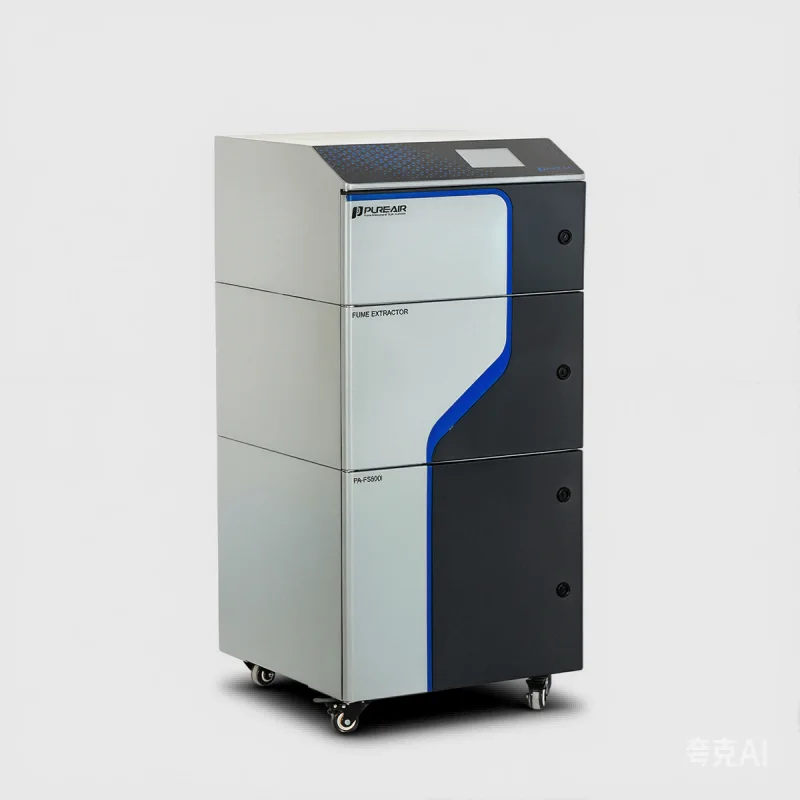
Here’s a quick set of guidelines I ask teams to test: map the plume, set capture velocity at the work face, and verify filter pressure drop. Also consider adding activated carbon downstream if organic vapors are present, and check for interference from nearby power converters or other HVAC intakes. Small moves—big wins. — and yes, I mean literally: move the hood a few centimeters and you can halve escape volume.
What to measure next?
To help you decide, evaluate solutions by three metrics: capture efficiency at the source, consistent airflow rate under real conditions, and total cost of downtime vs. maintenance. Those metrics tell you if a system is truly solving the problem or just shifting it around the shop. We’ve seen companies cut complaints in half and reduce rework once they started tracking these numbers.
In short: stop treating fume extraction as afterthought plumbing. Design for capture, measure what matters, and involve the people who work at the bench. I’ve learned this the hard way and I want you to skip the mistakes. For practical hardware and support, check trusted partners like PURE-AIR.