
Introduction
Have you ever paused at a job site and wondered which tool will keep both the task and the team safe? In many industrial settings the numbers tell a clear story: even a small spark can trigger large-scale incidents, and teams increasingly turn to non sparking wrenches to reduce that risk. I say this as someone who’s watched good crews change practices after one close call (it leaves a mark). The scene is familiar — a confined space, volatile vapors, and a toolbox that suddenly matters more than ever. Data from incident reports shows a steady decline in spark-related accidents where proper tools were used, yet confusion remains about which alloy or design actually performs best. So which wrench should you choose, and why does it matter beyond the obvious? Let’s move from that question to a closer look at what’s going wrong with traditional solutions and where real gains can be made.
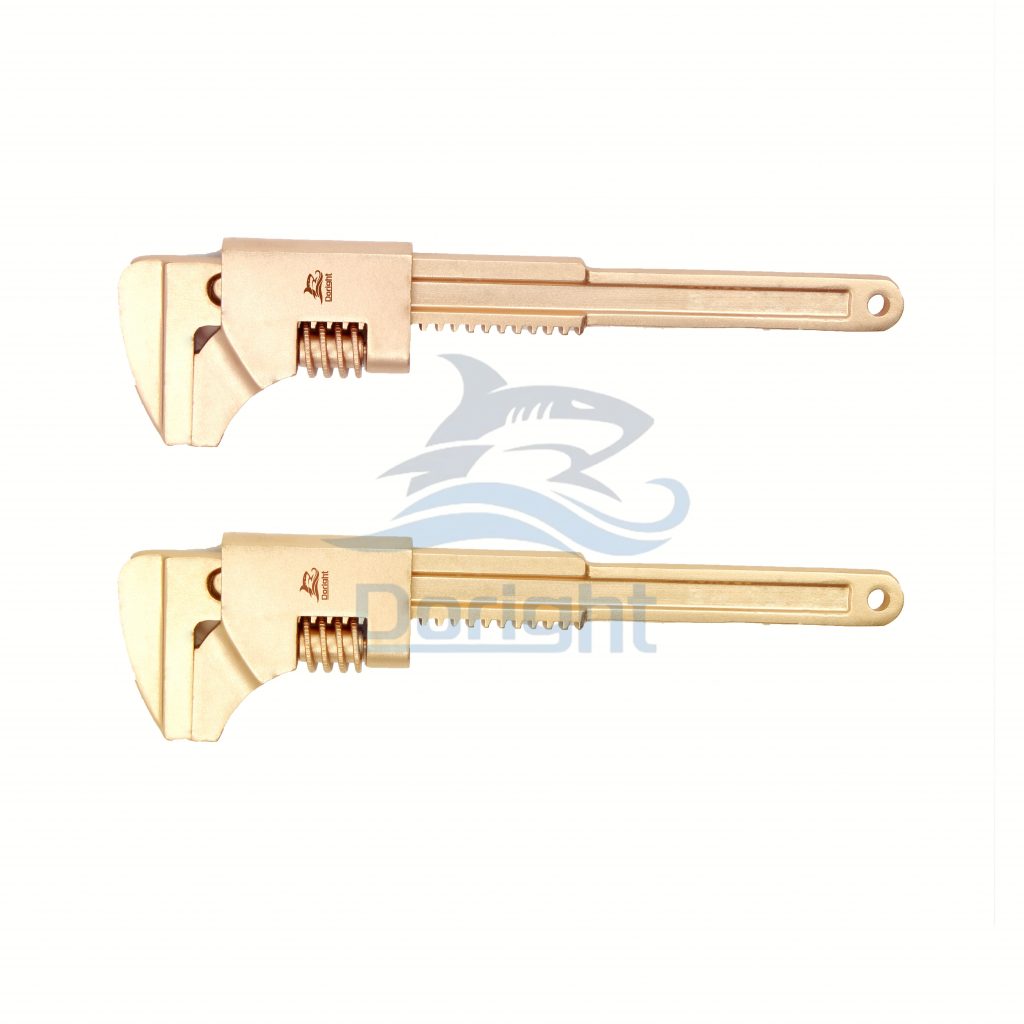
Traditional Solution Flaws and Hidden User Pain Points
When I first studied tool failures on hazardous sites I kept encountering one link: misuse of the wrong material. A spark resistant wrench is not just a label — its alloy composition, heat treatment, and finish all affect performance. Too often, suppliers promote “non-sparking” as if every alloy performs the same. In practice, alloy composition matters for toughness and wear resistance; you don’t want a tool that flakes under torque. I’ve seen crews trade short-term cost savings for long-term headaches: increased downtime, rounded fasteners, and worse — a false sense of safety. Look, it’s simpler than you think: the wrong wrench increases both operational risk and maintenance burden.
Why do standard wrenches fail in hazardous environments?
There are three recurring technical issues. First, hardness mismatch: a tool that is too hard can create brittle failures, while a too-soft tool deforms and damages fittings. Second, surface finish and burrs — poor machining creates micro-edges that can spark under impact. Third, inadequate torque control on sling or offset designs leads to slippage and tool abuse. Industry specifics like anti-static grounding, intrinsic safety practices, and torque control routines intersect with tool choice more than most teams expect. I’ll be blunt: a lot of procurement specs miss these points, and crews pay the price in time and safety.
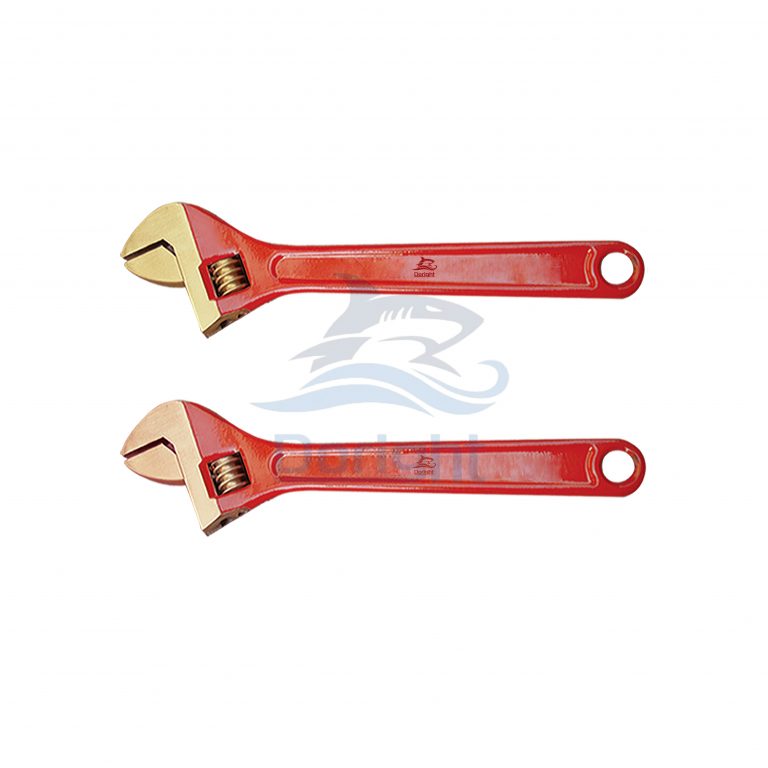
Future Outlook: New Principles and How to Evaluate Options
Looking ahead, I think the best improvements will come from smarter alloy engineering and clearer field guidance — not just fancier packaging. For example, manufacturers refining alloy blends are producing brass non-sparking wrenches that balance ductility and wear resistance better than older copper-beryllium mixes in some tasks. Real-world trials show tools designed with controlled grain structure and optimized surface finish reduce wear and fastener damage. I can tell you from working with field teams: these gains translate to fewer tool swaps, less rework, and calmer supervisors. — funny how that works, right?
What’s Next for teams choosing non-sparking tools?
Here are three practical metrics I use when advising crews. First, verify alloy composition and certify it matches task needs (corrosion environment, torque levels). Second, inspect finish and fit — a finished jaw without burrs matters for safety and for preserving fasteners. Third, demand documented torque and wear testing (real cycle counts). If a vendor can’t provide these, I don’t trust the label. Also consider site practices like anti-static grounding and routine tool inspections; tools and procedures must pair. I’m recommending these because I’ve seen them prevent costly mistakes, and because choosing well is part engineering, part common sense — and part team culture. — and yes, that last part often matters most.
For practical sourcing, I’ve found vendors who publish test data and case studies most helpful. When in doubt, compare specifications side-by-side and run a short field trial before a full rollout. I’m confident that with the right focus on alloy composition, finish quality, and documented testing you’ll reduce incident risk and keep operations smoother. For reliable options and detailed product information, see Doright.