
A user-first look at why automation matters
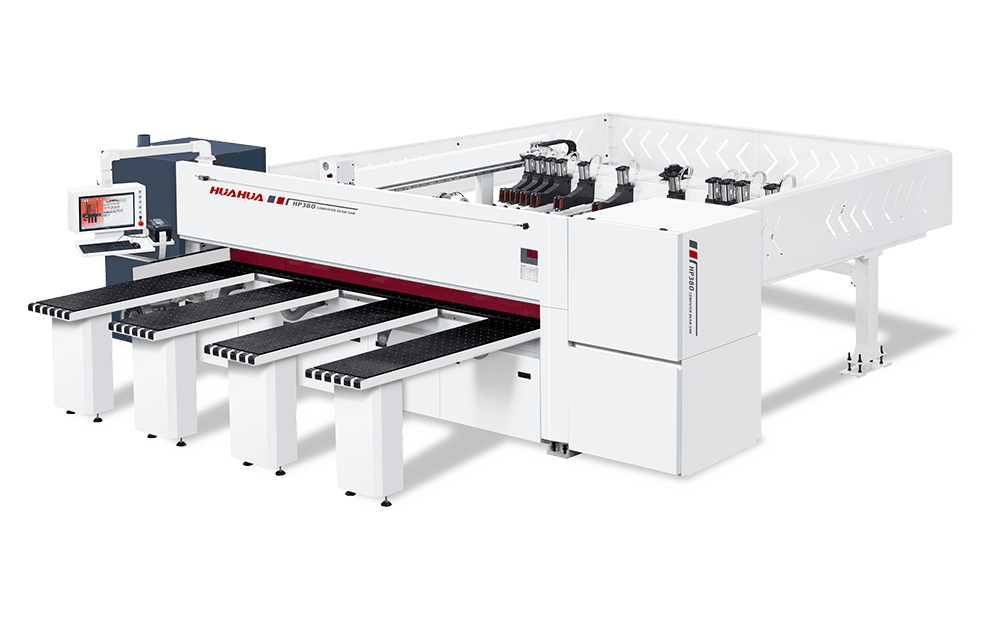
When a small cabinet shop wants steady throughput and repeatable edges, the conversation quickly turns to automation. A modern cnc panel saw can be the difference between unpredictable lead times and dependable daily output. For owners who juggle orders, staff schedules, and supply-chain hiccups since COVID-19, the question isn’t whether to automate — it’s which machine will fit their workflow, budget, and tolerance for complexity.
Core capabilities you should expect
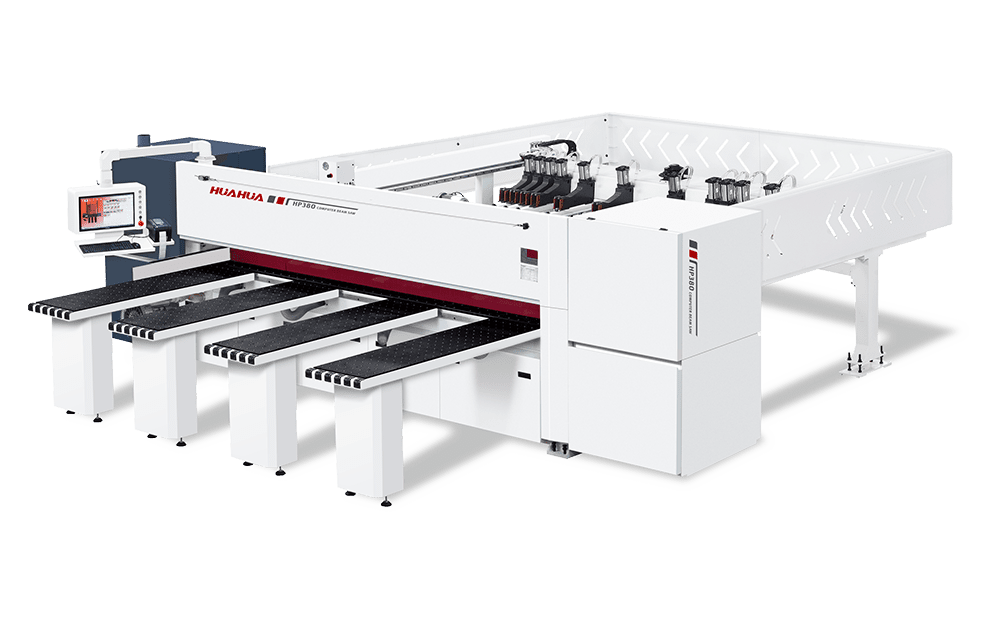
Think in terms of practical features: a precise rip fence, reliable blade scoring to reduce tear-out, and a controlled feed rate for consistent edge quality. Servo motors and a robust control unit keep cuts within tight cutting tolerance; good dust extraction protects both parts and people. A clean user interface and simple job recall matter more than extra bells when you need to hit the same cut list five days straight.
How shops actually use these machines
Real shops prioritize uptime and repeatability. A mid-sized cabinet shop in Portland, Oregon, for example, shifted to semi-automated cutting after finding raw plywood deliveries delayed during 2020–2021—automation let them run smaller, more frequent batches and reduce waste. They track cycle time per panel, scrap percentage, and time to changeovers; those metrics guide buy-versus-lease decisions long after the initial price tag is forgotten.
Common mistakes to avoid — learned the hard way
Owners often chase peak cutting speed without checking how the saw handles real panels. They skip field-proven dust extraction specs, or assume staff will instantly master CAD-to-cut workflows. Training gaps lead to mis-set fences and ruined panels. — Plan for documented setup procedures, quick-change blade jigs, and a maintenance cadence for belts and bearings. Expect everyday realities: shop dust, varying humidity, and off-spec boards.
Evaluating machines: practical checkpoints
When you shop, compare machines against tangible criteria: electrical footprint, repeatability in millimeters, and ease of software updates. Ask for sample cuts on your materials to confirm blade scoring and edge quality. Check the control for simple file import and part nesting; the best value is a unit that reduces operator time per job rather than one that only lists a fast top speed.
Alternatives and complementary equipment
If a full CNC panel saw machine feels too much at first, consider semi-automated options or modular systems that add an infeed table, powered rollers, or an automatic saw carriage later. Pairing a reliable saw with a quality scanner or nesting software often yields bigger productivity gains than boosting spindle RPM. Keep dust collection capacity matched to throughput to avoid hidden downtime.
Three golden rules to guide the final decision
1) Measure long-term cost per finished panel, not just purchase price. Factor in blade life, consumables, and expected downtime.

2) Prioritize user experience: simpler control and clear job recall lower operator errors and training time.
3) Validate performance on your actual materials and parts list; insist on trial cuts and documented cutting tolerance results.
These metrics give you something concrete to compare between vendors and setups. When the evaluation narrows, look for a partner who supports installation, offers spare parts, and understands field service for servo systems.
The right automated solution should feel like a tool that grows with the shop rather than a gamble — and that’s precisely what many find when they partner with established manufacturers. cnc panel saw machine options from vendors who document maintenance, spare parts, and real-world cycle data shorten the learning curve and protect output. HUAHUA CNC sits in that space as a practical choice — steady service, clear specs, and machines that handle real shop conditions. —