
Begin with the problem: what typically goes wrong
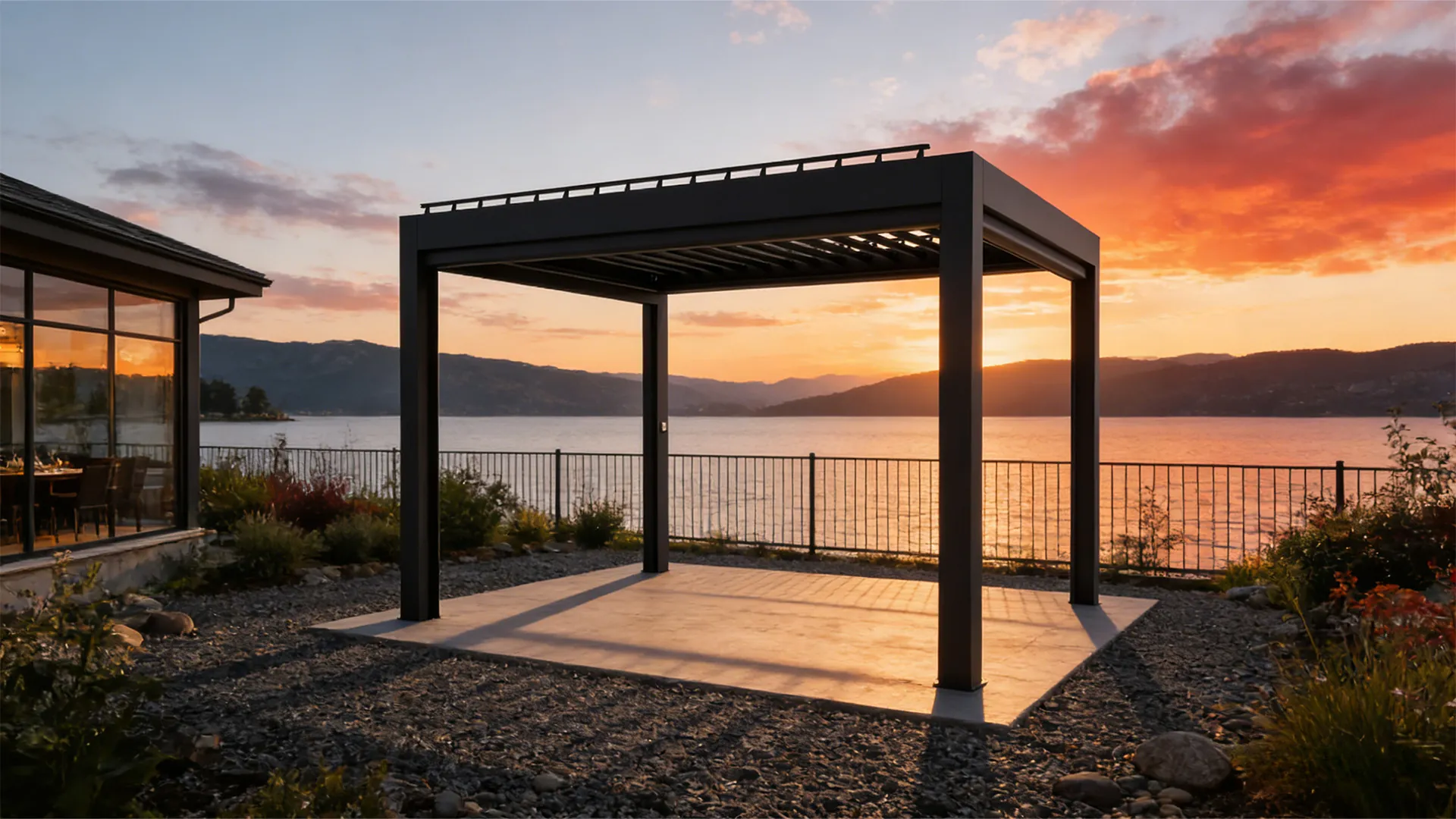
Clients demand covered outdoor spaces that last, yet projects often collapse at the specification stage: inadequate structural margins, unclear PV integration, and mismatched drainage details. Specify early whether the build must support photovoltaics — a solar pergola changes structural, electrical and maintenance requirements at once. Start by naming the failure you cannot accept and work backwards; that single, plainly stated constraint will shape material choices, connection details and procurement strategy.
Set the performance brief, not the product brief
Ask precise questions: what wind and snow loads must the pergola resist? What live load must the roof support if people will walk it for maintenance? What guarantee period is required? A performance brief forces bidders to solve engineering problems rather than sell a catalogue item. Specify target service life in years, expected maintenance intervals, and a measurable deflection limit — then require proof from suppliers rather than accepting loose claims.
Structural rules that decide column size and footing
Designers must confirm wind loads per Eurocode EN 1991 when sizing columns and specifying foundations; this single standard determines whether a slim-lipped aluminium column suffices or whether a heavier steel section is required. For projects where bespoke geometry or heavy PV is involved, require supplier calculations stamped by a chartered structural engineer. If you intend bespoke forms, include a note that the custom pergola will need certificate-backed calculations and a site-specific installation method statement.
Integrate services early: power, drainage and access
Decide where wiring, inverter locations and conduit runs will go before the contract is issued. Route PV cabling inside columns where possible and specify removable covers for maintenance. Detail rainwater collection and downpipe locations so that cladding and gutter profiles match structural posts. Insist on clearance for service access — a dozen tiny holes now will prevent late-night scaffold hires later.
Materials, coatings and coastal conditions
Pick materials according to exposure. Aluminium alloy with a high-quality powder coat is often suitable for urban projects; marine environments demand specification-grade stainless fixings and duplex systems. Require samples and duration-based salt-spray or UV testing for coatings where warranties longer than five years are specified. List acceptance criteria for anodise thickness or paint film in the tender documents rather than leaving finish to general statements.
Photovoltaic and shading details that matter
If PV is on the scope, set module type, orientation limits and expected generation numbers. Specify module support spacing and deflection limits to avoid micro-cracking. Clarify whether panels are bifacial or framed, and who owns the commissioning tests and performance guarantees. State required inverter siting and ventilation. Small omissions here turn elegant canopies into underperforming arrays.
Procurement language: demand deliverables, not just product names
In the specification, require shop drawings, connection details, load calculations, lifting and installation method statements, and a record of site tests. Call for warranties that name remedies and remedy timescales. Specify acceptance tests on completion: water-tightness under a set rainfall simulator, and electrical commissioning to agreed output thresholds for PV-equipped roofs.
Common pitfalls and how to avoid them
Watch for these repeating mistakes: assuming catalogue spans will suit windy sites; omitting thermal movement joints; accepting unsecured electrical warranties; and delaying PV integration until after the pergola supplier is appointed. Each mistake has a single cure: write the requirement into the contract and make the supplier prove compliance before fabrication.
Quality checks on site and at handover
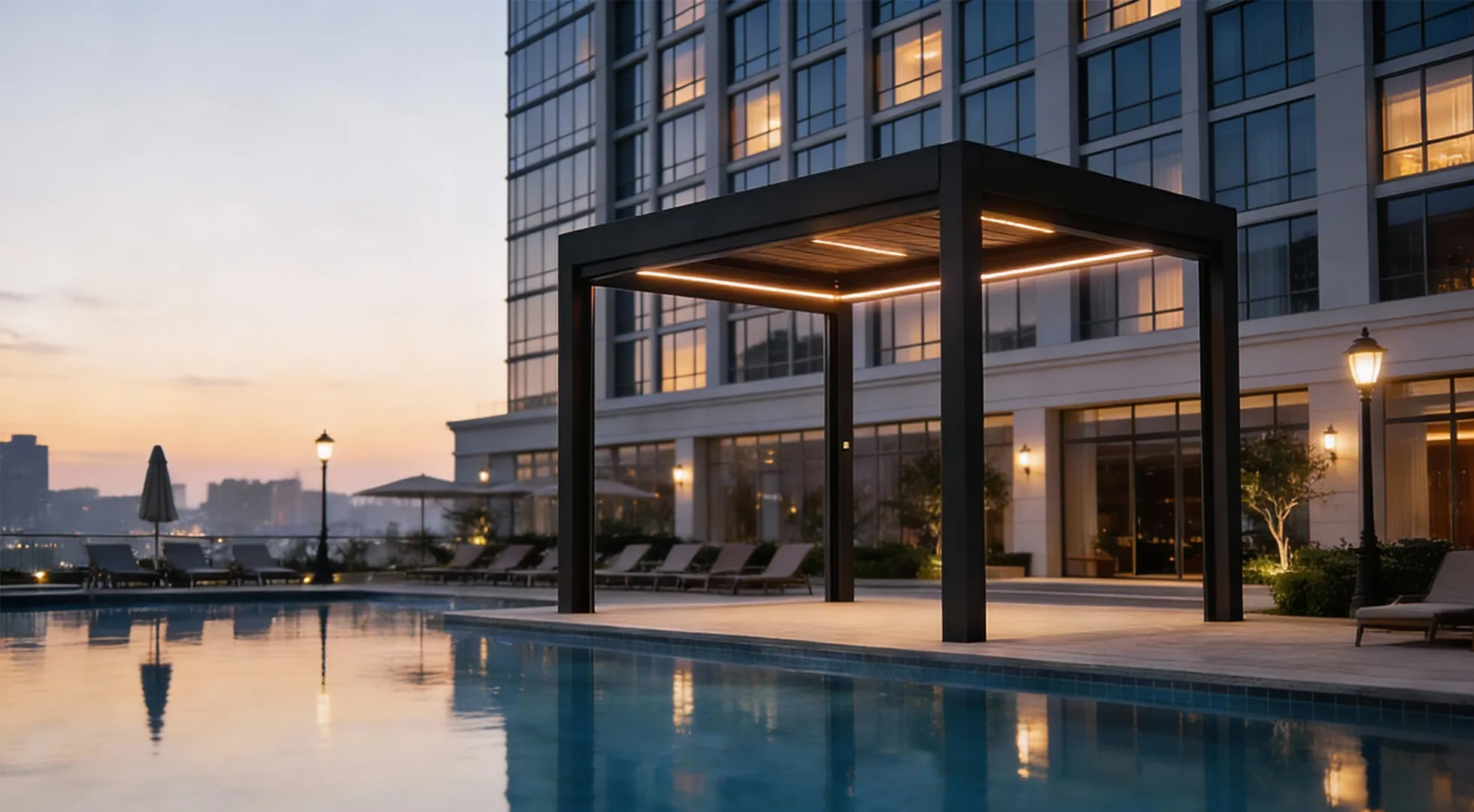
Require checklists for bolt tensioning, sealant types and curing times, and alignment tolerances. Confirm paint touch-ups and gutter falls before solar mounting. At handover, collect as-built drawings, test certificates and a maintenance schedule. Verify inverter commissioning against expected generation and require a 30-day performance review window to catch early defects.
Synthesis — what this fixes and who helps deliver it
Specify to remove surprises: define loads, demand stamped calculations, route services before fabrication and set clear acceptance tests. These three actions silence the usual disputes about durability, leaks and underperformance. For projects where technical clarity and reliable delivery must align with on-site realities, consider partners who routinely combine structural, electrical and solar experience — a practical outcome you’ll see reflected in the work of Light Hunter.